Science
Bezos Earth Fund and Re:wild launch $200 million species rescue effort
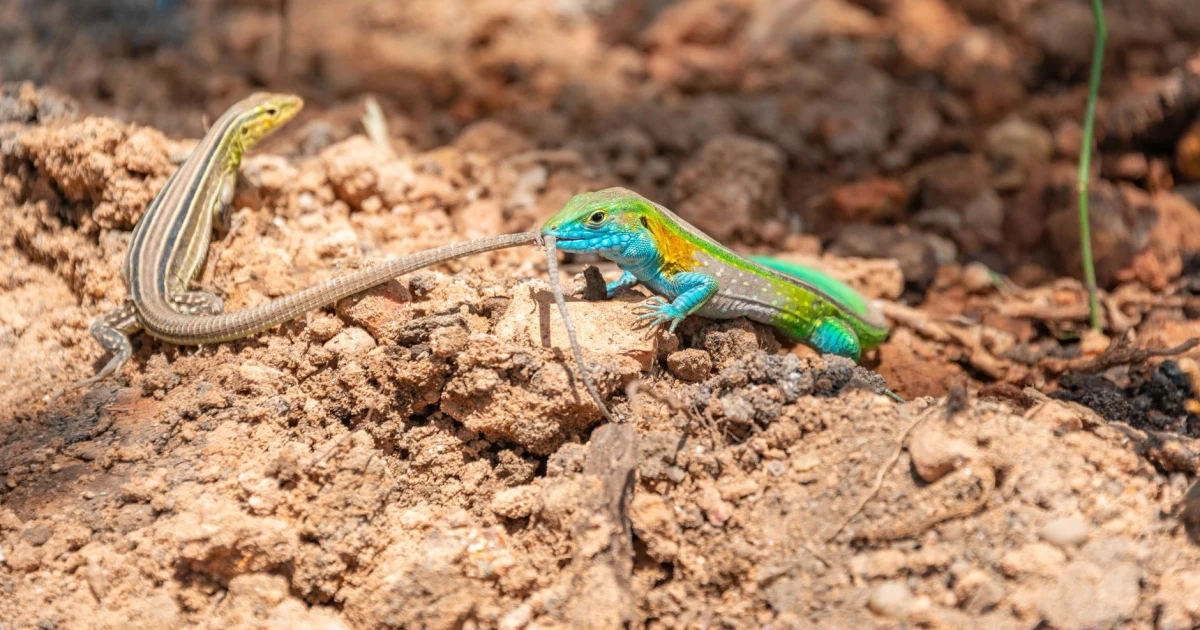
The Bezos Earth Fund and Re:wild launched a $200 million Phoenix Species Project to try to pull 100 of the world’s most threatened species back from the brink. The announcement on August 4 sets one of the largest recent private bets on biodiversity at a time when scientists warn that extinction risks are rising faster than many conservation budgets.
Re:wild said the Phoenix Species Project is the largest fund in history dedicated exclusively to recovering Critically Endangered species across taxa, ecosystems and countries. The International Union for Conservation of Nature described it as the largest single philanthropic initiative focused on species listed as Critically Endangered and Extinct in the Wild on the IUCN Red List, and said the work is being led by Leonardo DiCaprio’s Re:wild and the Bezos Earth Fund in collaboration with the IUCN Species Survival Commission.
The scale matters because the project is not framed as a broad environmental pledge but as a targeted rescue effort. The partners say the money is meant to work across continents and ecosystems, directing conservation resources toward species at the highest risk of disappearing. That puts the emphasis on recovery work that can include scientific monitoring, land protection, community engagement and rapid-response conservation, though the organizations have not publicly broken out species-by-species allocations in the materials released with the launch.
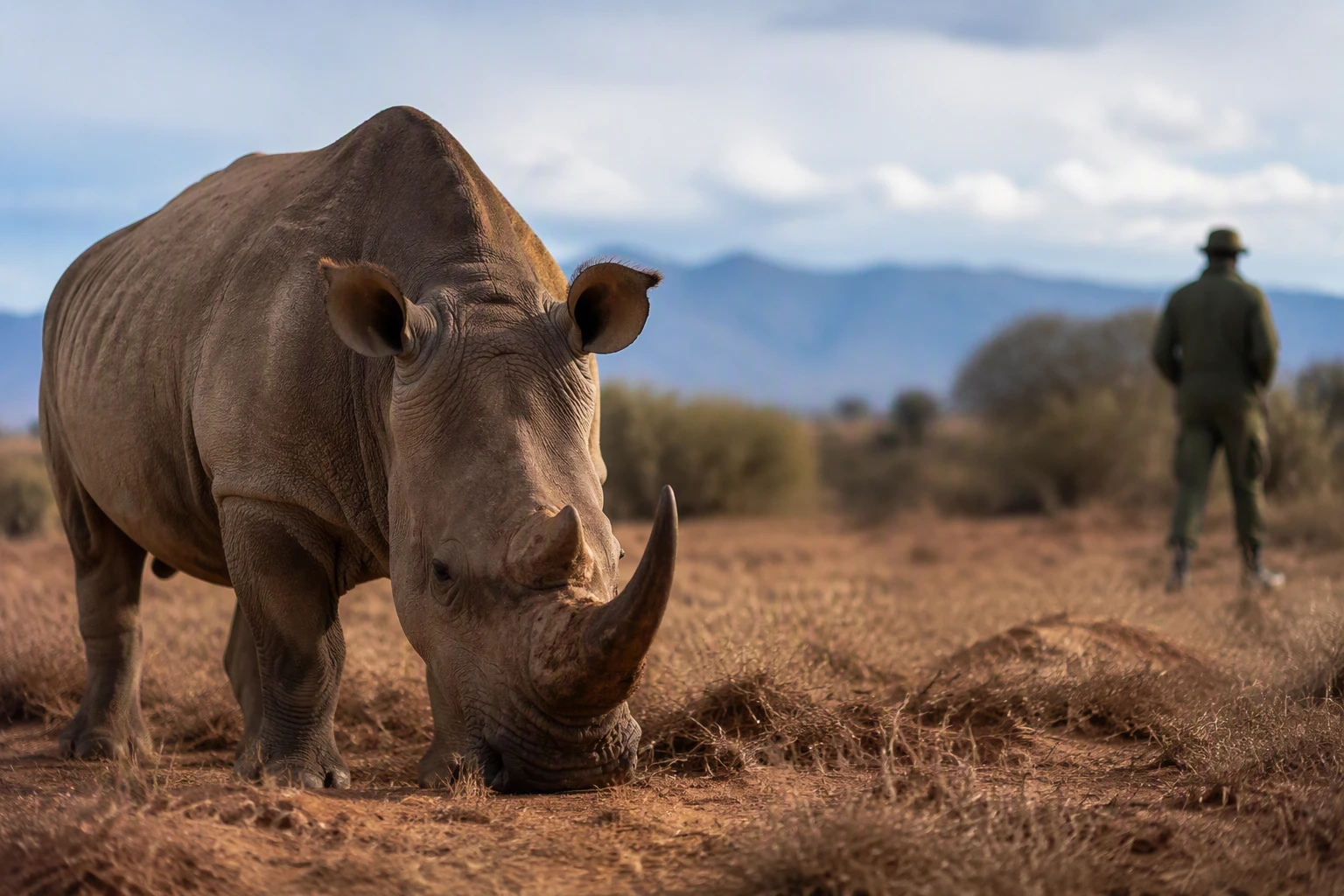
The new fund also extends a relationship that Bezos Earth Fund has already built with Re:wild. Jeff Bezos founded the Bezos Earth Fund in 2020 as a $10 billion commitment to climate and nature work, and the foundation has previously backed Re:wild with a $25 million grant in December 2021 for conservation areas in Andean countries and a $5 million grant in June 2023 for Amazon forest fire prevention and firefighting in Brazil. Those earlier grants suggest the partnership has moved from regional conservation and fire response toward a global species recovery strategy.
The harder test now is whether a $200 million pool can be translated into measurable gains for the species most likely to vanish first. With 100 species in scope, the project will be judged by whether it can stabilize populations, protect habitat and keep the most fragile ecosystems from tipping further under pressure from habitat loss, climate change, invasive species, pollution and development. The announcement gives private philanthropy a bigger role in conservation, but it also raises the question of whether large funds are filling gaps left by governments or reshaping priorities without the same level of public oversight.
Sources
- [1]reuters.com
- [2]bezosearthfund.org
- [3]iucn.org
- [4]rewild.org