Entertainment
Bieber’s Coachella Set Sparks Sexism Debate in Music
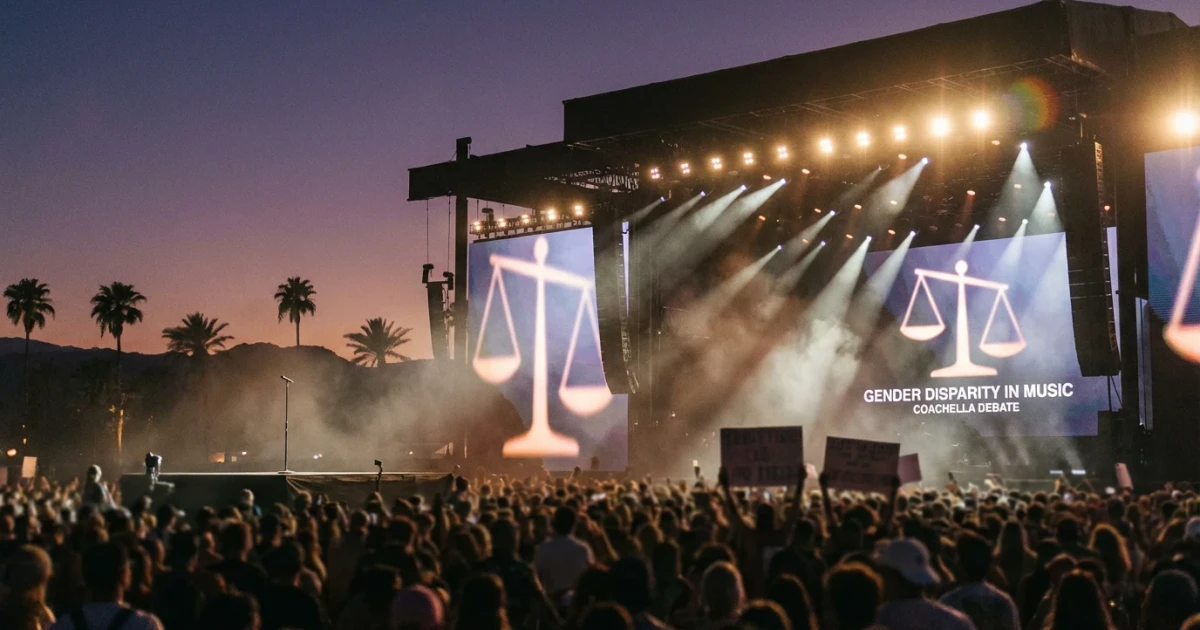
Justin Bieber’s subdued performance at Coachella 2024 has become a flashpoint for ongoing debates about sexism and gender representation within the music festival scene. While the pop star’s low-key set was notable for its simplicity, it also catalyzed renewed scrutiny of how male and female artists are perceived and treated in the industry.
Understated Performance Draws Attention
Bieber’s appearance at Coachella 2024 surprised some fans and critics for its minimalist approach. According to The Hollywood Reporter, his set was marked by a lack of spectacle—he spent much of his time scrolling through YouTube and delivering a stripped-back musical experience. This intentional understatement stood in contrast to the elaborate productions often expected from top-billed acts at major festivals.
- Bieber’s set lasted under an hour, far shorter than many headliners.
- He performed a limited number of songs, favoring acoustic renditions and casual interactions with the audience.
- The performance sparked immediate commentary on social media, with some fans praising the intimacy, while others expressed disappointment at the lack of energy.
Fuel for the Sexism Debate
The muted nature of Bieber’s set quickly became fodder for a wider discussion about gender disparities in the music industry. The Hollywood Reporter pointed out that while male artists like Bieber are often given leeway to experiment or underperform without significant backlash, female artists—especially women of color—frequently face harsher criticism for similar choices. This double standard has been a recurring theme in festival coverage and industry analysis.
Recent data from the Women in Music 2023 Report by USC Annenberg Inclusion Initiative underscores persistent gaps: women comprised less than 30% of festival lineups, and female headliners remain the exception rather than the rule. These findings are echoed in Coachella’s own performer statistics, which show limited gender diversity among top acts over the past decade.
Industry Reactions and Broader Context
The critical response to Bieber’s performance has highlighted what many see as an uneven playing field. Industry analysts and advocacy groups argue that the festival circuit often allows male stars to take creative risks or offer subdued shows without threatening their reputations or future bookings. By contrast, women are scrutinized more intensely, and their missteps can have lasting career consequences.
This dynamic is not unique to Coachella. Reports from the USC Annenberg Inclusion Initiative and the Recording Industry Association of America have detailed similar gender gaps in streaming, radio play, and award nominations, suggesting the festival stage is only one part of a larger pattern.
Key Statistics and Trends
- According to the Statista Coachella Music Festival dataset, female artists made up just 27% of all acts in 2023.
- The Pollstar Worldwide Concert Grosses list shows male headliners continue to dominate top-grossing slots at festivals globally.
- The Billboard Artist 100 Chart often features more male than female artists in its upper ranks, reflecting broader consumption trends.
Implications for Future Festivals
Bieber’s Coachella set has sparked calls for greater accountability and transparency in how festivals select and evaluate performers. Advocates urge organizers to commit to gender-balanced lineups and to apply consistent standards to all artists, regardless of gender.
As the industry looks ahead to future festival seasons, the conversation around Bieber’s performance is likely to continue influencing programming decisions and public expectations. The hope among many in the music community is that such high-profile moments can serve as a catalyst for lasting change toward equity and inclusion on the world’s biggest stages.