Sports
Bielsa's Uruguay leans on teamwork and belief at World Cup 2026
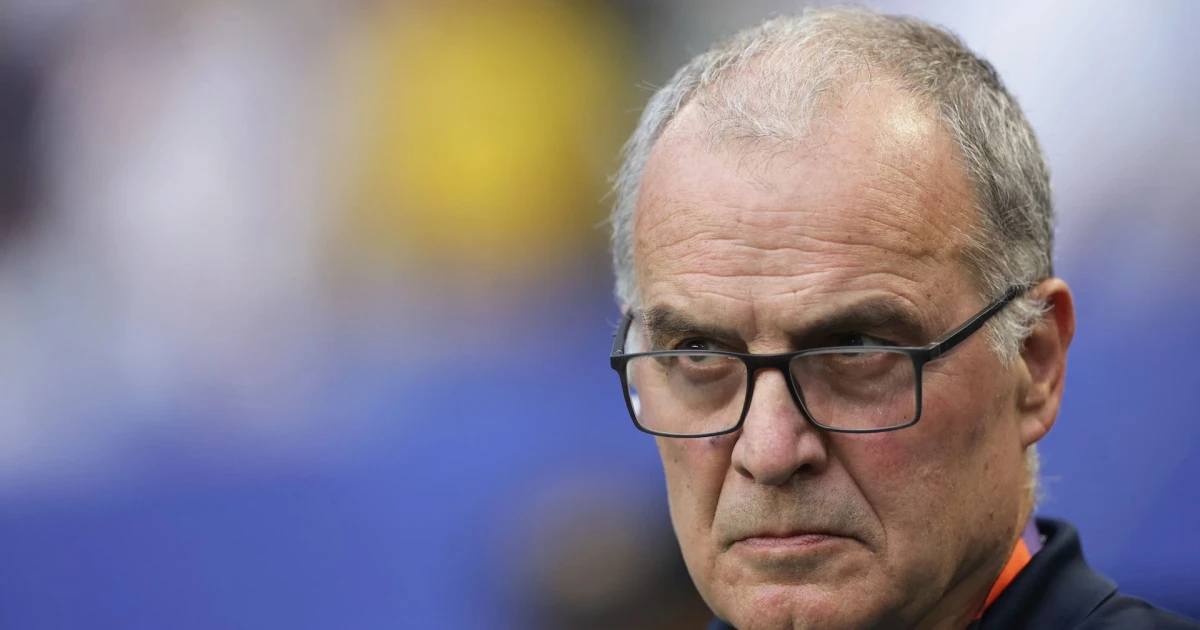
Marcello Bielsa has given Uruguay something more durable than a run of results: a repeatable way to play. The Celeste arrive at their 15th FIFA World Cup, and their fifth straight since returning in 2010, carrying the weight of two titles and the simpler demand of proving that collective discipline can still decide matches at the highest level.
A team that has learned its pattern
Uruguay’s place in the tournament is rooted in a familiar history and a recent deadline. The country won the World Cup in 1930 and 1950, then booked its ticket to Canada, Mexico and the United States with a 3-0 win over Peru at the Estadio Centenario on 4 September 2025, a result that sealed automatic qualification. That victory mattered because it turned a qualifying campaign into a platform for Bielsa’s methods, rather than a one-off surge of form.
Bielsa’s timeline with Uruguay shows how quickly that platform was built. He took charge in May 2023, the AUF records his debut on 14 June 2023 against Nicaragua, and by 21 June 2026 he had managed 36 matches, with a record of 14 wins, 15 draws and 7 losses. Those numbers matter because they show a long enough spell for habits to stick, but not so long that the team has drifted away from the original idea.
The roster as a map of responsibilities
The 26-man World Cup squad reflects that idea of role clarity. Bielsa’s list includes José María Giménez, Fernando Muslera and Federico Valverde, three players who anchor Uruguay’s spine in defense, goal and midfield, while Rodrigo Aguirre, Giorgian de Arrascaeta and Federico Viñas give the attack different profiles to work with. FIFA presented Valverde as the headline name in the selection, and the broader list confirms that Uruguay is leaning on a mix of senior experience and players who can execute specific tasks rather than chase individual status.
That distribution of responsibility is central to how Bielsa’s Uruguay wants to function. Muslera provides familiarity in goal, Giménez organizes the back line, and Valverde gives the midfield range, intensity and tempo. In front of them, De Arrascaeta, Aguirre and Viñas allow Uruguay to vary the final action without changing the structure that gets them there.
Training habits meet tournament pressure
The buildup at the Complejo Celeste made that structure visible before the first whistle. The AUF marked the final stretch with the arrival of players in waves, the completion of the full 26-man group at the training complex, and a June 4 send-off that included the delivery of the Pabellón Nacional and the inauguration of works tied to the FIFA Forward development program. President Yamandú Orsi joined AUF and FIFA officials at the ceremony, which linked the squad’s preparation to the country’s public institutions as well as its footballing ones.
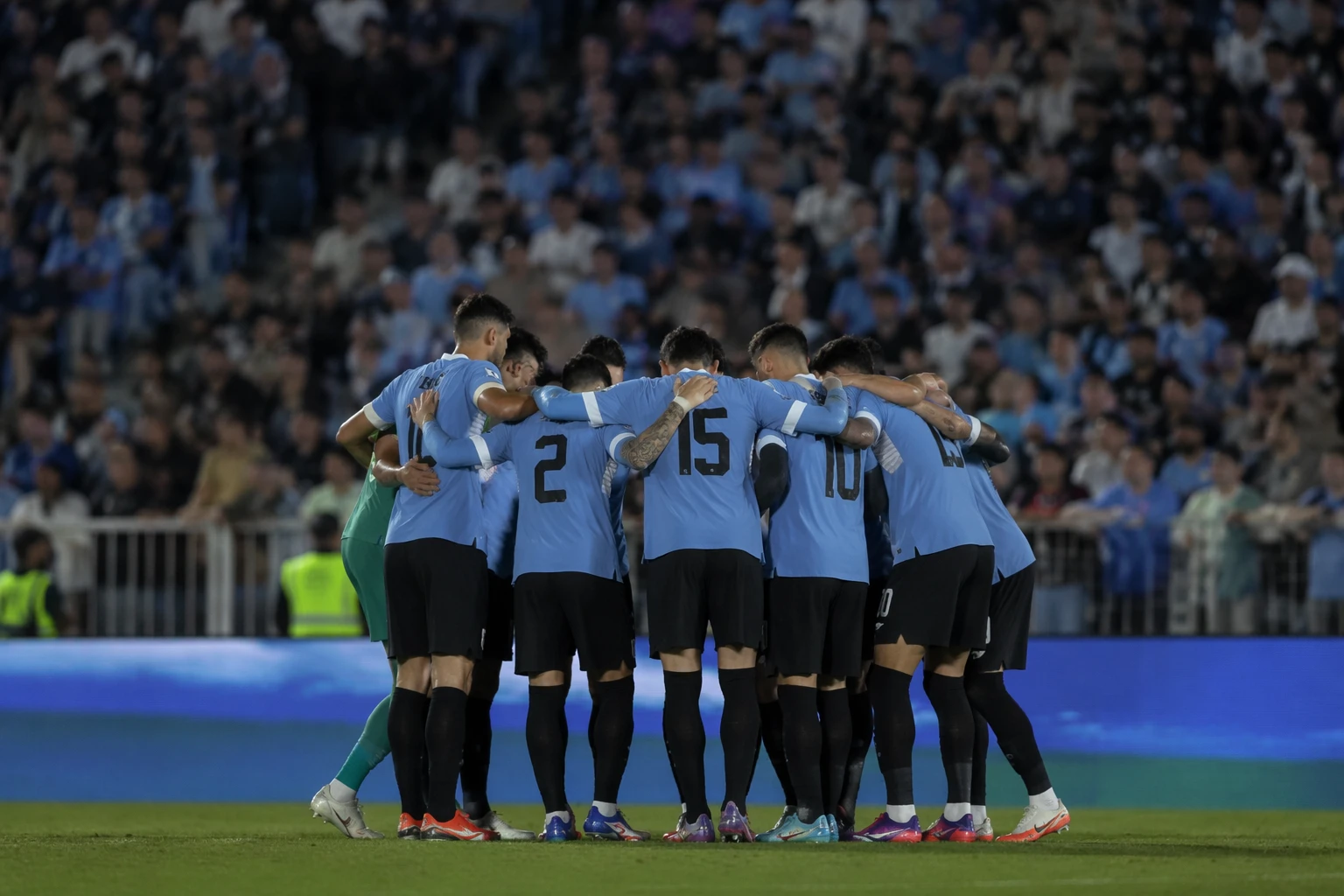
The early evidence from the tournament shows what that preparation looks like in practice. Uruguay opened Group H against Saudi Arabia at Hard Rock Stadium in Miami on 15 June 2026 and drew 1-1, then followed with a 2-2 result against Cabo Verde on 21 June. In the Saudi Arabia match, FIFA’s live data showed Uruguay with 63 percent possession, 623 passes, 566 completed passes, 27 shots and 10 shots on target, a profile that fits a side built to keep moving, keep circulating and keep arriving in the box with numbers.
A wider national frame
The message around the squad has gone beyond tactics. The AUF framed the 26-man announcement as a symbol of collective illusion, and its World Cup build-up has tied football to music, culture and national identity rather than treating the team as an isolated sports project. That matters in Uruguay, where the national side carries a public meaning that reaches past the pitch and into the country’s sense of itself.
FIFA has used similar language to describe Bielsa’s impact, saying he has adapted his work to Uruguay’s unique charrúa culture and that his idea of play has already left a mark. The point is not personality for its own sake. It is that the national team now presents a recognizable model, one built on training detail, tactical order and a shared belief that the group can be greater than any single name.
Group H as the final exam
Group H gives Uruguay a clear measure of how far that model can travel. FIFA placed Uruguay alongside Spain, Saudi Arabia and Cabo Verde, with the opener against Saudi Arabia in Miami and the group-stage finale against Spain in Guadalajara on 26 June local time. Spain’s status as a major European power raises the ceiling on the test, but the more immediate question is whether Uruguay can keep its spacing, intensity and decision-making intact as the opponent quality rises.
For Bielsa, the tournament is less about proving that Uruguay can be inspired than about proving that inspiration has been organized. The squad already has the names, the history and the public backing. What decides the rest is whether the habits installed at the Complejo Celeste survive the speed, pressure and margin for error that define a World Cup.
Sources
- [1]telemundo.com
- [2]fifa.com
- [3]auf.org.uy
- [4]copaamerica.com