Business
Big beverage brands expand QR codes with ingredient safety data
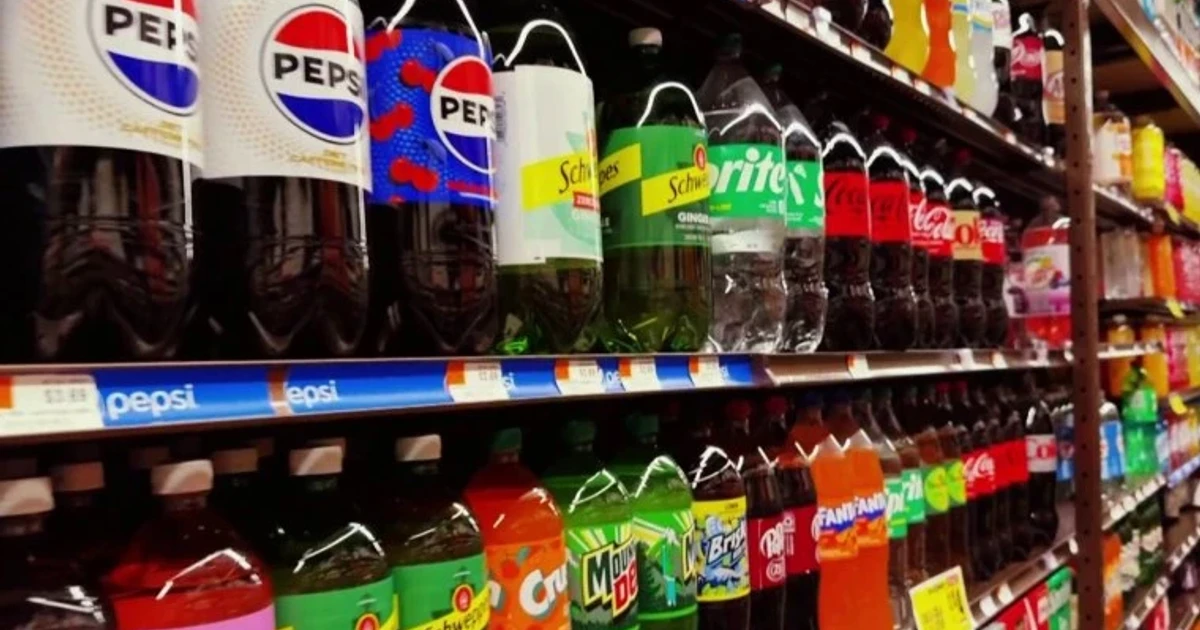
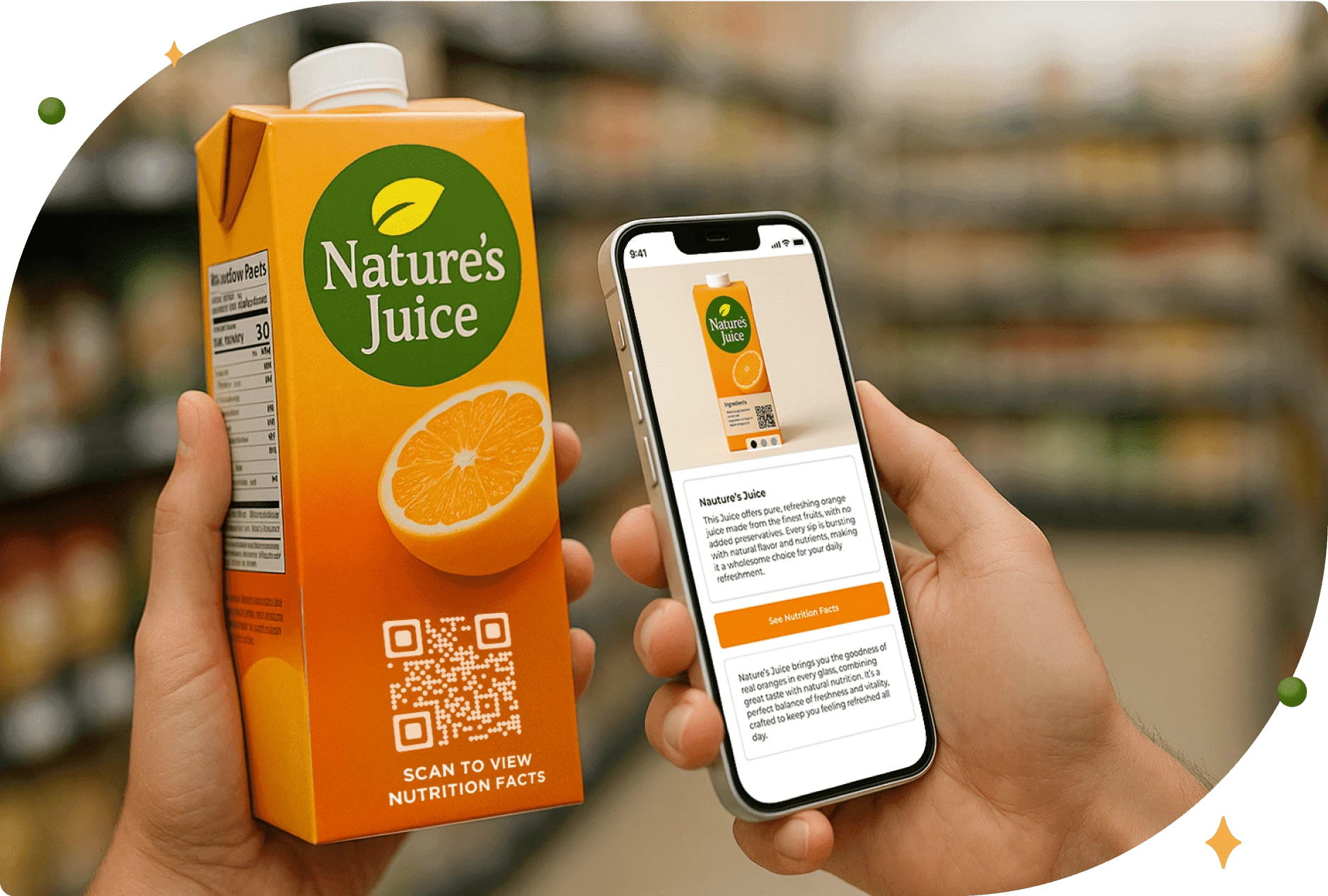
America’s biggest nonalcoholic beverage companies are pushing ingredient safety information onto QR codes, betting that digital labels can make complex product data easier to reach without adding clutter to the package. The American Beverage Association said The Coca-Cola Company, Keurig Dr Pepper and PepsiCo are rolling out a shared digital transparency system that will send shoppers to a website showing ingredients, what those ingredients do and how U.S. and global food safety regulators view them.
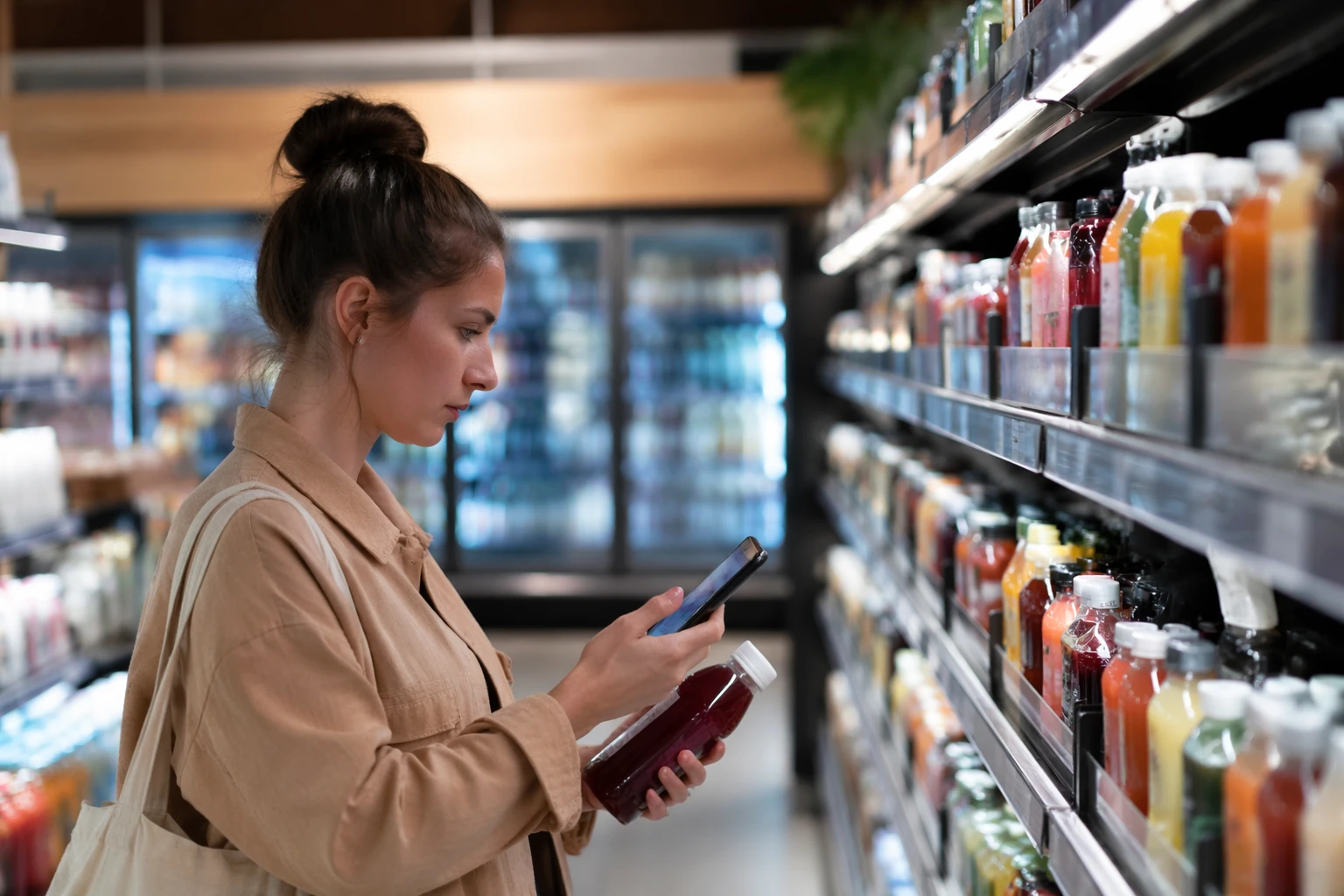
That pitch rests on convenience, but it also shifts part of the labeling job from manufacturers to consumers. A shopper now has to notice the code, have a smartphone handy, open the camera, wait for the page to load and decide whether the screen is easier to read than the package itself. For people shopping quickly, those extra steps can matter as much as the information promised.
The industry is not starting from scratch. SmartLabel, launched in 2015 by Consumer Brands Association members, was built as a long-form digital disclosure tool for consumers who wanted more than could fit on a package. Consumer Brands says SmartLabel users scanned QR codes more than 9 million times in 2025 and generated more than 25 million page views, with engagement up 43% from 2024 to 2025. The group says QR-code labels now appear across hundreds of millions of consumer packaged goods units, spanning more than 1,000 brands and 100,000 products.
American Beverage has also already staked out its own transparency lane. In 2025 it launched Good to Know, including GoodToKnowFacts.org, and paired the effort with a push for GRAS reform, referring to the self-affirmed safety status used for some ingredients. The new beverage rollout builds on that strategy by putting more ingredient information behind a scan, rather than more words on the carton or can.
State governments are adding pressure of their own. Texas enacted SB 25 on June 22, 2025, requiring warning labels for foods containing certain ingredients, with the warning requirement applying to labels developed or copyrighted on or after January 1, 2027. Louisiana signed Act 463 on June 20, 2025, requiring on-pack QR codes that link to ingredient disclosure statements on manufacturer-controlled web pages. Together, the laws signal that ingredient disclosure is moving from a marketing choice to a policy issue.
For beverage makers, QR codes offer flexibility and room to explain ingredients in plain language. For shoppers, the question is simpler: whether transparency is more useful when it is printed where the product is, or whether it becomes less accessible once the label moves to a screen.