Health
Bill Frist frames climate change as a public health crisis
The U.S. Environmental Protection Agency’s Feb. 12, 2026 rescission of the 2009 Greenhouse Gas Endangerment Finding removed the legal basis for federal regulation of greenhouse-gas emissions from new motor vehicles and engines.
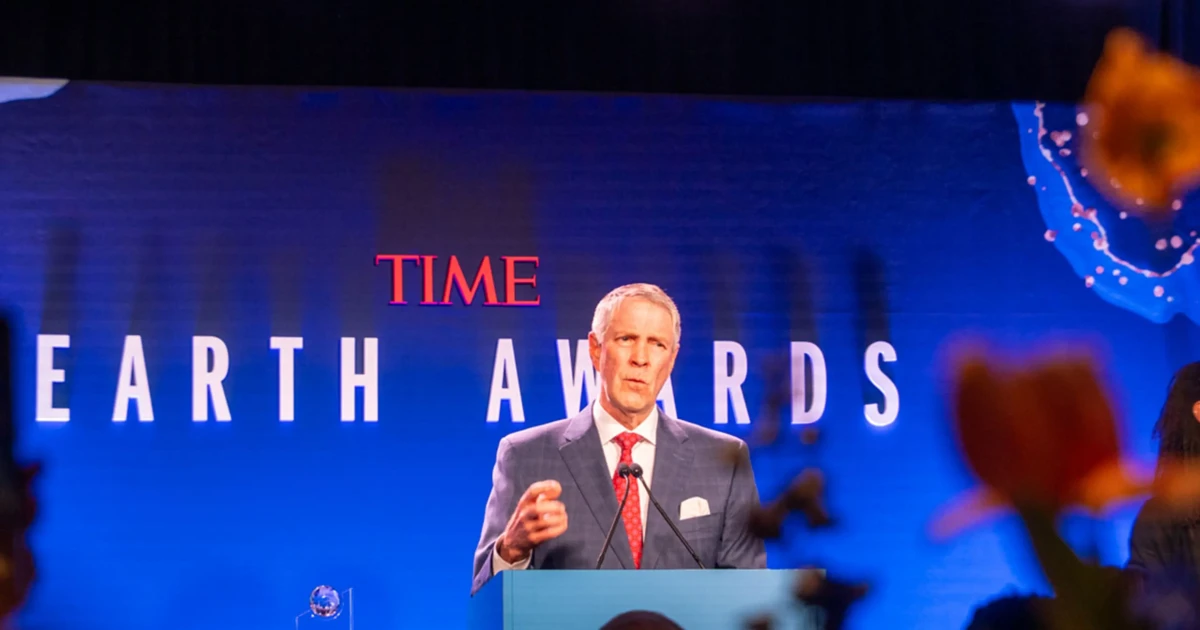
Frist, the Tennessee surgeon who served in the U.S. Senate from 1995 to 2007 and as majority leader from 2003 to 2007, has been pressing that case publicly. In an April 2025 TIME Earth Awards interview, he said climate change should be understood as a health issue and argued that climate is not a partisan issue. In his Earth Awards acceptance remarks, he put the point even more bluntly: “the health of the planet and the health of human beings are inseparable.” He also said, “A healthier planet means healthier people.”

Heat stress is a leading cause of weather-related deaths and can worsen cardiovascular disease, diabetes, mental health conditions, asthma, accidents and some infectious diseases. WHO estimates climate change could cause about 250,000 additional deaths per year between 2030 and 2050, with direct health costs of $2 billion to $4 billion annually by 2030.
That health framing now sits at the center of Frist’s institutional role. He is chair of The Nature Conservancy’s Global Board of Directors, and in May 2024 the group announced the Senator Bill and Tracy Frist Initiative for Planetary and Human Health, backed by a $1 million donation from Frist and his wife, Tracy. The initiative connects human health, climate and environmental conservation.

The Lancet Countdown’s 2025 global report said mean annual temperatures exceeded 1.5°C above pre-industrial levels for the first time in 2024, while greenhouse-gas emissions reached record levels in the same year.
Sources
- [1]nytimes.com
- [2]time.com
- [3]nature.org
- [4]who.int
- [5]lancet.umt.edu.my
- [6]epa.gov