Technology
Bill Gates Dismissed AI Hype in 1983, Pushed for Flexible Software
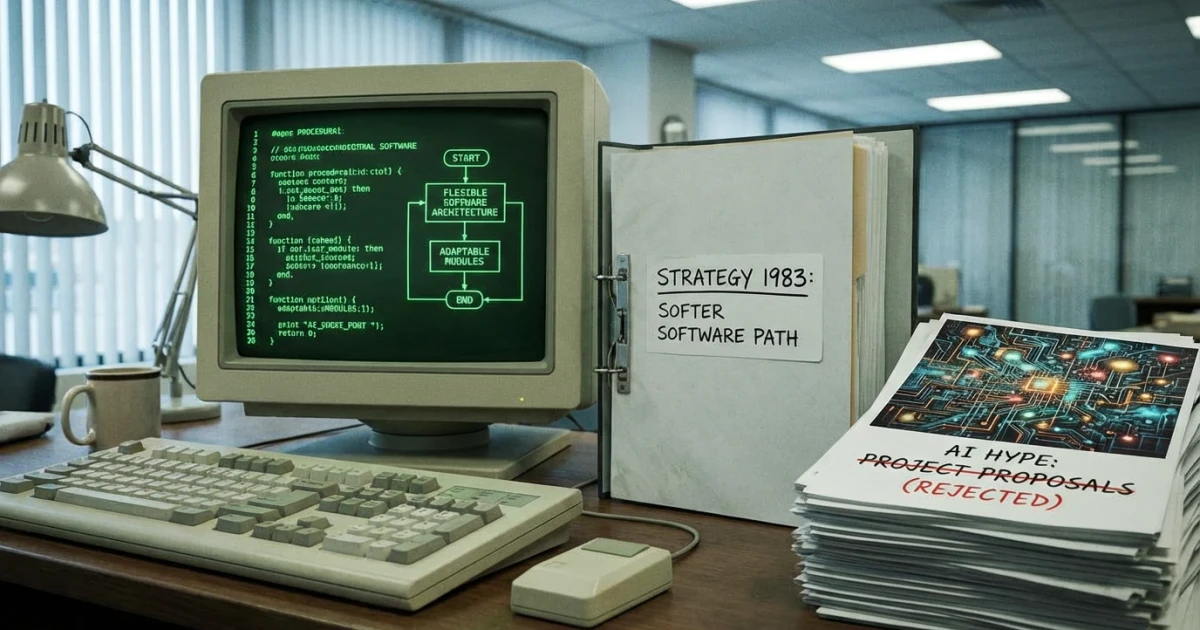
Bill Gates, co-founder of Microsoft, took a notable stance in 1983 by publicly rejecting the growing excitement around artificial intelligence, instead promoting what he termed “softer software.” While many industry leaders and publications speculated about the rapid emergence of intelligent machines, Gates advocated for a more measured, adaptable approach to software development—a philosophy that helped define Microsoft’s direction during a formative period for the tech industry.
AI in 1983: Optimism Meets Skepticism
The early 1980s saw a surge of interest in artificial intelligence. Headlines touted AI’s imminent potential, with research labs, startups, and tech publications such as BYTE Magazine covering the latest advancements and theorizing about a future where computers could think, reason, and learn. The New York Times highlighted a mix of hope and skepticism, noting that while some predicted smart machines in the near future, others cautioned that true intelligence remained distant.
Academic assessments, like the ACM’s 1983 status report on artificial intelligence, underscored both the rapid progress and the substantial challenges that remained. Projects such as expert systems and rule-based reasoning made headlines, but experts warned about the limitations in real-world applications and common sense reasoning.
Bill Gates’ Vision: Focus on “Softer Software”
Amidst this environment, Bill Gates stood out for his pragmatic outlook. As reported in a 1983 Microsoft press release, Gates expressed caution about the AI craze, arguing that the technology was not yet ready to deliver on its promises. Instead, he championed “softer software”—a term he used to describe programs that were adaptable, easy to update, and user-focused. This emphasis on flexibility and usability, rather than speculative leaps toward human-like intelligence, shaped Microsoft’s strategy through the decade.
According to TechRadar, Gates’ approach meant investing in tools and platforms that could evolve with user needs and hardware advancements, rather than betting everything on AI breakthroughs that remained elusive. This philosophy influenced the development and release of Microsoft’s early products, as documented in the company’s official copyright timeline. The company prioritized operating systems and productivity software—such as MS-DOS and the early versions of Microsoft Word and Excel—that laid the groundwork for future industry dominance.
The State of AI Technology in 1983
- US patents like US4498142A described early AI systems based on rule-based logic, but these were limited in scope and required extensive manual programming.
- Expert systems were gaining traction in research and narrow industrial applications, but faced hurdles with adaptability and real-world reasoning.
- Industry analysis from the ACM and coverage in the New York Times reflected a growing awareness of both AI’s possibilities and its limitations.
Industry Perspectives: Diverging Paths
While Gates advocated for practical software improvements, other companies and researchers continued to fuel the AI conversation. Numerous startups and established players invested in AI, leading to a proliferation of prototypes and press coverage. However, as both the New York Times and BYTE Magazine noted, many of these initiatives ran into technical and commercial hurdles, underscoring Gates’ skepticism.
Gates’ “softer software” philosophy did not dismiss AI entirely but prioritized building robust, adaptable tools that could serve a broad base of users. This focus arguably contributed to Microsoft’s rise in the software market, as the company captured millions of users with products designed for flexibility and ease of use.
Legacy and Lessons
Looking back, Gates’ reluctance to embrace the AI hype of 1983 appears prescient. The first AI boom of the 1980s eventually cooled as technical limitations became clear—a period sometimes referred to as the AI winter. Microsoft’s investment in core software products, rather than speculative AI ventures, positioned the company for long-term growth as personal computing became mainstream.
Today, as AI once again captures the public imagination, Gates’ 1983 strategy offers a reminder of the value of pragmatic innovation. By emphasizing “softer software,” Gates set a template that prioritized adaptability, user needs, and incremental progress—an approach that continues to resonate in the ever-evolving tech industry.