Business
Binance faces EU service ban as Greece nears licence rejection
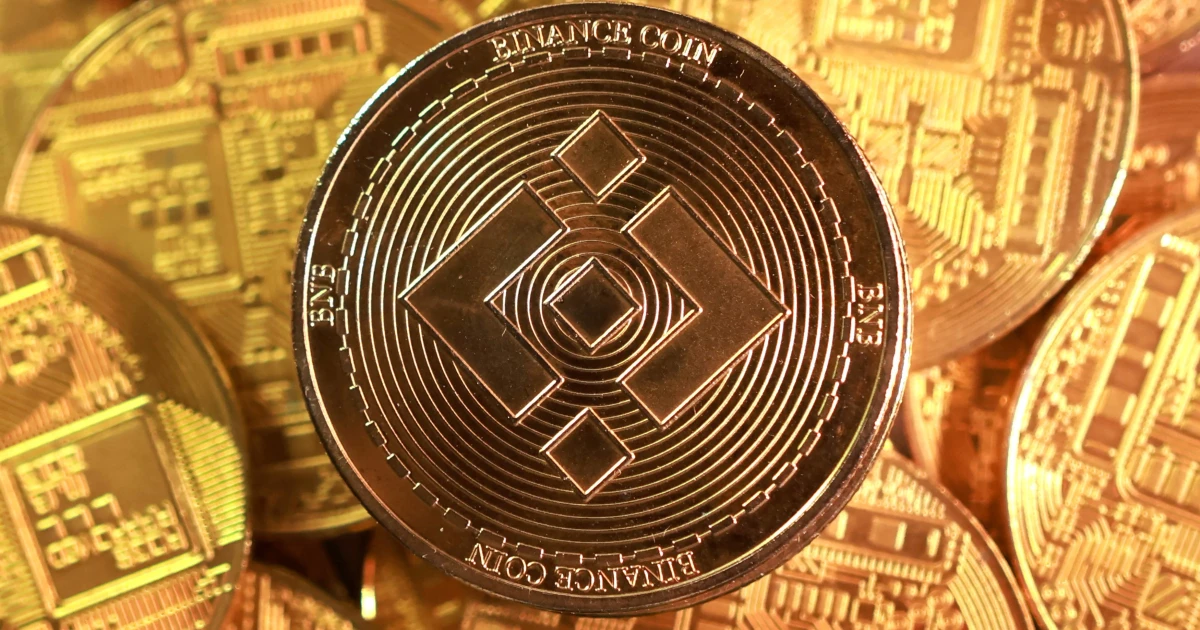
Binance was on the brink of losing permission to serve European Union customers within weeks, after its bid for a licence under the bloc’s new Markets in Crypto-Assets framework was expected to be rejected by Greece’s financial regulator. The application went through the Hellenic Capital Market Commission, and people familiar with the matter said the attempt was on course to be turned down.
The timing made the decision especially damaging. Under MiCA, crypto firms needed authorisation by the end of June to keep serving customers across the EU from July 1. The European Securities and Markets Authority said the regime’s grandfathering period ended across the bloc on July 1, 2026, and that firms operating under national law before December 30, 2024 could continue only until they were granted or refused authorisation, whichever came first.
That meant a Greek rejection would not just shut down one national application. MiCA was designed so that authorisation in a single member state could unlock passporting rights across the EU and EEA, allowing one licensed entity to serve the bloc without separate national approvals. For Binance, that made Greece a crucial gatekeeper to one of the world’s richest customer markets. ESMA has also said it was building a central register of authorised crypto-asset service providers under the regime.

Binance said it had been pursuing a MiCA licence and had worked with regulators for 18 months, adding that it believed it had met the relevant requirements. The company also said the Hellenic Capital Market Commission had not formally told it otherwise. The regulator declined to comment, citing confidentiality rules.
A rejection would land at a sensitive moment for Binance in Europe. The exchange had already exited the Netherlands after failing to secure regulatory approval there, and scrutiny elsewhere had intensified. French prosecutors expanded a probe into Binance in January 2025 over alleged money laundering, tax fraud and other offences spanning 2019 to 2024, allegations the company denied.

The pressure on Binance also underscored how MiCA was reshaping the regional market. Rivals that had already secured licences were positioned to benefit if Binance lost access. Coinbase said in June 2025 that it had received a MiCA licence from Luxembourg’s Commission de Surveillance du Secteur Financier, while Kraken said it had secured approval from the Central Bank of Ireland and later said its services were live across all 30 EEA countries under that licence.
For Binance, the Greek decision was more than a regulatory setback. It was a test of whether crypto’s biggest players could still operate like mainstream finance while meeting mainstream compliance standards.
Sources
- [1]money.usnews.com
- [2]esma.europa.eu
- [3]blog.kraken.com
- [4]coinbase.com
- [5]help.coinbase.com
- [6]binance.com
- [7]cnbc.com
- [8]finance.yahoo.com