Health
Biological parents of Florida embryo mix-up baby agree to custody deal
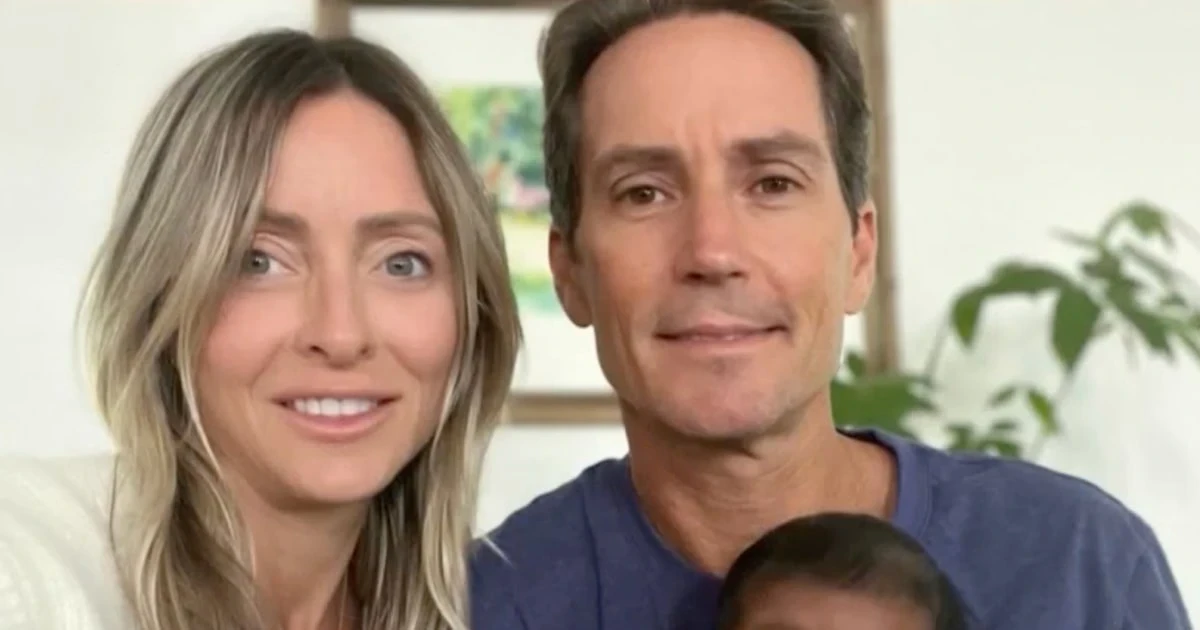
Shea’s custody now rests with Tiffany Score and Steven Mills, but the case that brought her there exposed a far wider failure: when embryo selection, gestation and genetics point to different families, Florida law offered no clear fix. The biological parents, identified in court papers as Patient 004, agreed to let the couple who gave birth to Shea keep permanent legal custody, ending one of the most unsettling fertility disputes in recent memory.
The agreement, filed in Orange County on June 12, came after months of uncertainty following an embryo transfer at the Fertility Center of Orlando in Longwood. Score and Mills said Shea was born in December 2025, then genetic testing confirmed she was not biologically related to either parent. Their lawsuit, filed Jan. 22 against IVF Life, Inc. and reproductive endocrinologist Dr. Milton McNichol, alleged that an embryo implanted in March 2025 was not one of their embryos.

The dispute took on an additional layer of sensitivity after Score and Mills said the newborn appeared racially non-Caucasian at birth, prompting them to seek testing. Their attorney later said the testing showed Shea is 100% South Asian. That detail sharpened the public question at the center of the case: who counts as a parent when the child carried through pregnancy does not genetically belong to the people who expected to raise her, and the genetic parents do not want to remove her from the home she has known since birth.
Rob Marcereau, the biological parents’ attorney, said his clients made a “heartbreaking decision” not to fight for custody and described the situation as an “absolutely impossible situation.” He said meetings between the families had been emotionally wrenching, marked by “a lot of tears and hugs,” and that the biological parents could remain in Shea’s life. Jack Scarola, who represents Score and Mills, said the families want to build “a relationship of friendship and trust.”
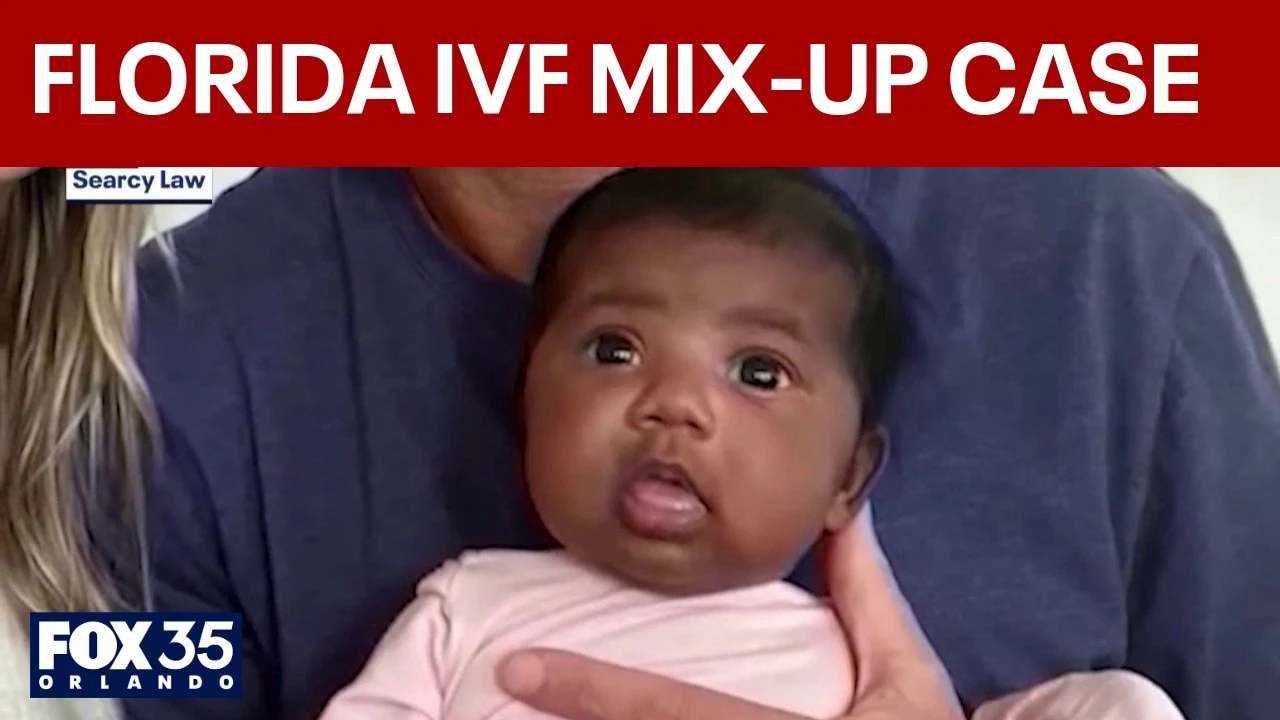
The case also raised broader concerns about clinic safeguards and patient protections. In court filings, Score and Mills sought emergency relief that would have required the clinic to notify potentially affected patients, pay for genetic testing for relevant patients and children over the previous five years, and disclose other parentage discrepancies during that period. The Fertility Center of Orlando shut down in May, but the aftermath remains unresolved for the couple, who have found another fertility provider and are waiting on genetic testing of the embryo they received before deciding their next step.
Sources
- [1]nbcnews.com
- [2]abcnews.com
- [3]clickorlando.com
- [4]fox35orlando.com
- [5]globalnews.ca