Politics
Bipartisan bill targets foreign intimidation of dissidents in the US
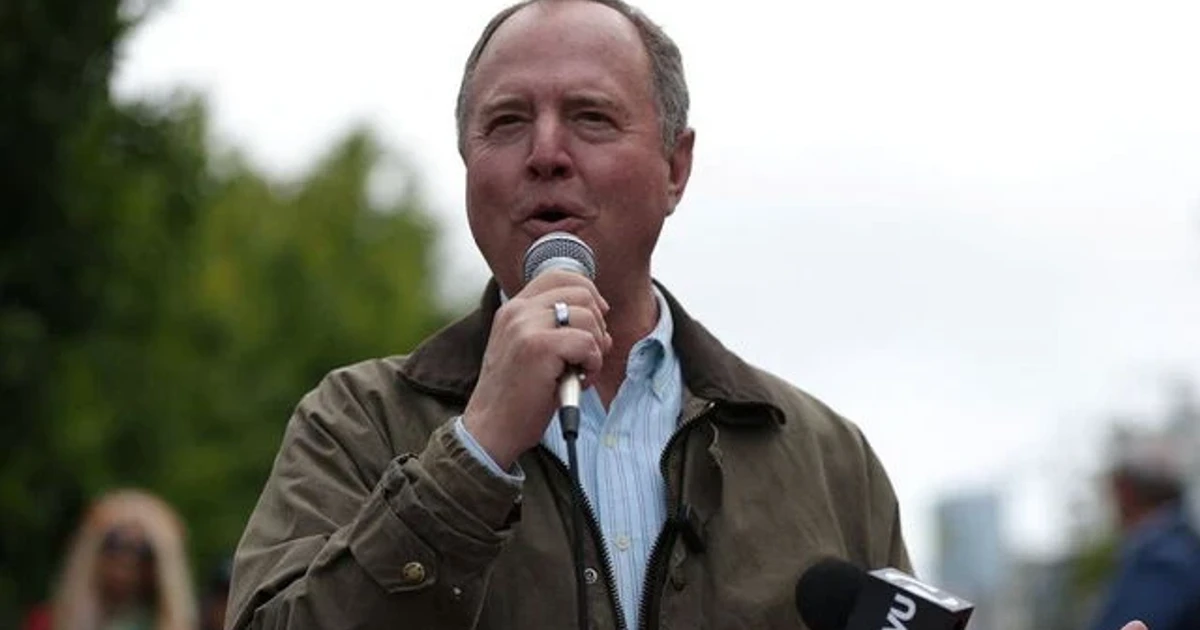
On Tuesday, lawmakers in Washington introduced the Stop Transnational Repression Act to increase penalties for foreign government agents who threaten people on U.S. soil. The measure targets a pattern inside the United States, where dissidents, immigrants and diaspora communities can face harassment, surveillance and threats to relatives overseas.
Senator Adam Schiff and Senator John Curtis introduced the bill to target foreign intimidation tactics that are too hard to punish under current law. The proposal would give U.S. authorities stronger tools against agents acting for foreign governments, including pressure campaigns linked to countries such as China and Iran. China's ethnic unity law, which went into effect on July 1, was a direct factor in moving the bill forward.

Transnational repression covers foreign governments reaching beyond their borders to intimidate, silence, coerce, harass or harm members of diaspora and exile communities in the United States. Those targets often include political dissidents, activists, journalists, political opponents, religious and ethnic minority groups, and members of diaspora and exile communities.
Freedom House recorded 126 new incidents of physical, direct transnational repression in the year covered by its latest report, bringing its database total to 1,375 cases spanning 2014 to 2025. Transnational repression can include physical violence as well as less visible tactics such as social-media threats, and victims may be afraid to report it. The 2018 killing of journalist Jamal Khashoggi by Saudi agents in Turkey is a well-known example.
On March 16, 2026, 35 diaspora, human rights, faith-based and civil society organizations urged lawmakers to prioritize a Transnational Repression Policy Act, arguing that the threat demands victim support and cooperation with allies. A separate bipartisan bill with that name was introduced in the Senate on July 29, 2025 by Jeff Merkley and Dan Sullivan, and in the House on August 1, 2025 by Chris Smith and James McGovern.
Sources
- [1]usnews.com
- [2]fbi.gov
- [3]justice.gov
- [4]freedomhouse.org
- [5]cpj.org
- [6]gao.gov
- [7]govinfo.gov
- [8]uhrp.org