Politics
Bipartisan bill would hit Russia oil buyers with 500% tariffs

A bipartisan bill backed by Lindsey Graham and Richard Blumenthal would let Washington slap a 500% tariff on goods and services from countries that knowingly buy Russian oil, gas, uranium, petroleum products or petrochemicals, raising the stakes in a war now in its fifth year. The proposal is designed to punish the buyers of Russian energy, not just Russia itself, and it would give the president limited waiver authority in some cases.
The Sanctioning Russia Act of 2025, introduced in the 119th Congress by Graham, a South Carolina Republican, and Blumenthal, a Connecticut Democrat, is built as a secondary sanction. That means the pressure would fall on third countries that keep purchasing Russian exports, using access to the U.S. market as leverage to make those governments and companies choose between Russian supply and American tariffs. The Senate text also adds sanctions on Russian financial institutions, restrictions on Russian sovereign debt and securities, and import prohibitions on Russian uranium.
Supporters say the goal is to cut off revenue that helps fund Vladimir Putin’s war and force Moscow toward negotiations with Ukraine. Graham and Blumenthal took that case directly to European allies and Ukraine in Rome in July 2025, calling the measure a potential game-changer and saying they hoped to get a Senate vote before the August recess. By May 2025, the bill had more than 80 Senate cosponsors, a sign of broad support even as the legislation stalled.
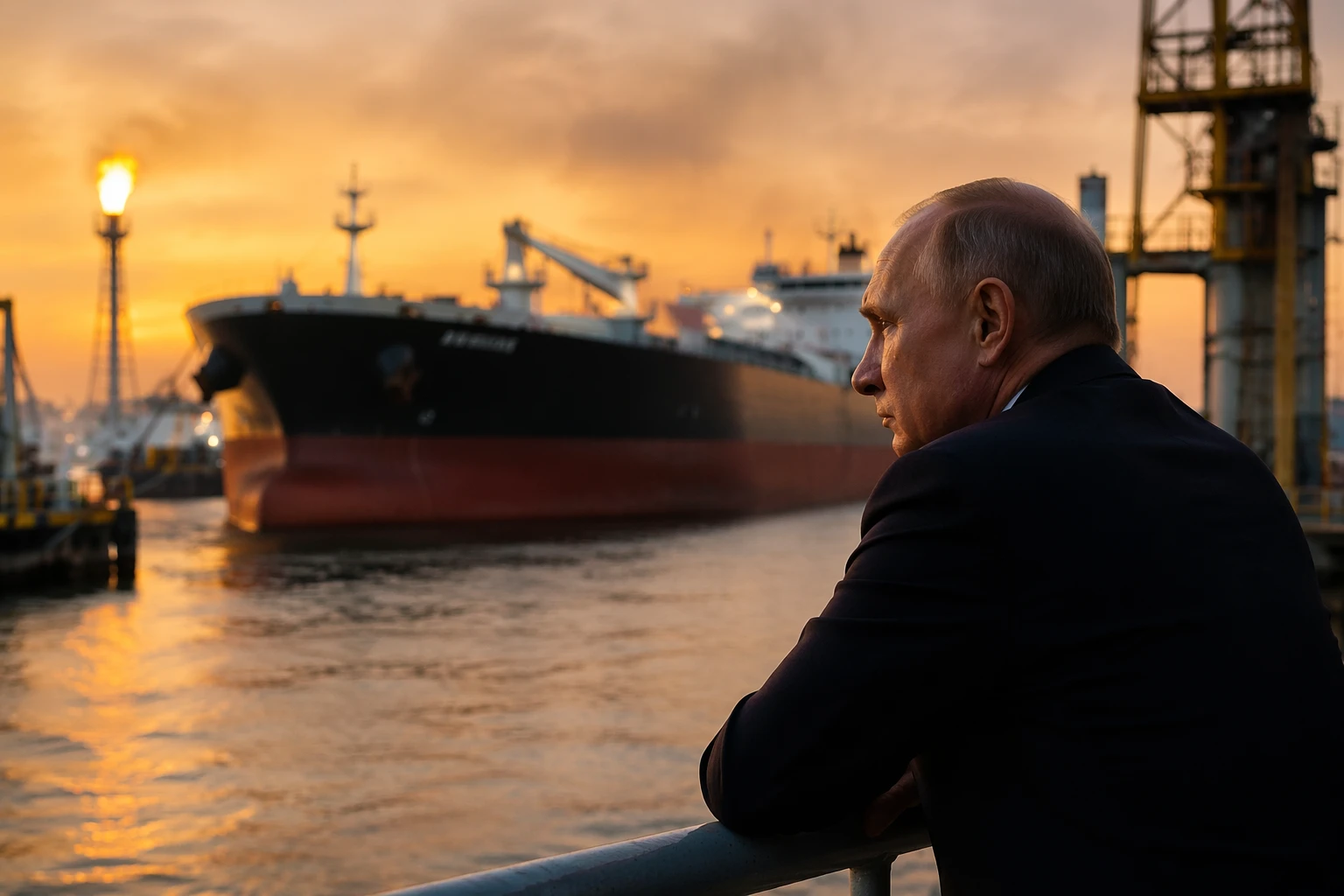
The White House’s role would be central. President Donald Trump said in July 2025 he was weighing support for the bill, and later threatened “very severe tariffs” or about 100% secondary tariffs on countries doing business with Russia if no deal to end the war was reached within 50 days. On July 10, 2026, Graham said he had reached an agreement with the White House on a version of the sanctions bill that the administration would support, potentially clearing the way for the measure to move.
The harder question is whether the tariff threat would truly choke off Russian energy money or simply reroute it. Countries that buy Russian crude, gas or uranium could try to shift shipments through intermediaries, while Moscow could keep finding buyers willing to absorb the risk. If the policy is enforced aggressively, the same pressure that is meant to isolate Russia could also reverberate through global fuel markets, raising costs that eventually reach U.S. importers and consumers.
Sources
- [1]cbsnews.com
- [2]congress.gov
- [3]usnews.com
- [4]lgraham.senate.gov
- [5]yahoo.com
- [6]cnsnews.com