Politics
Bipartisan Bills Seek Clarity for US Prediction Markets
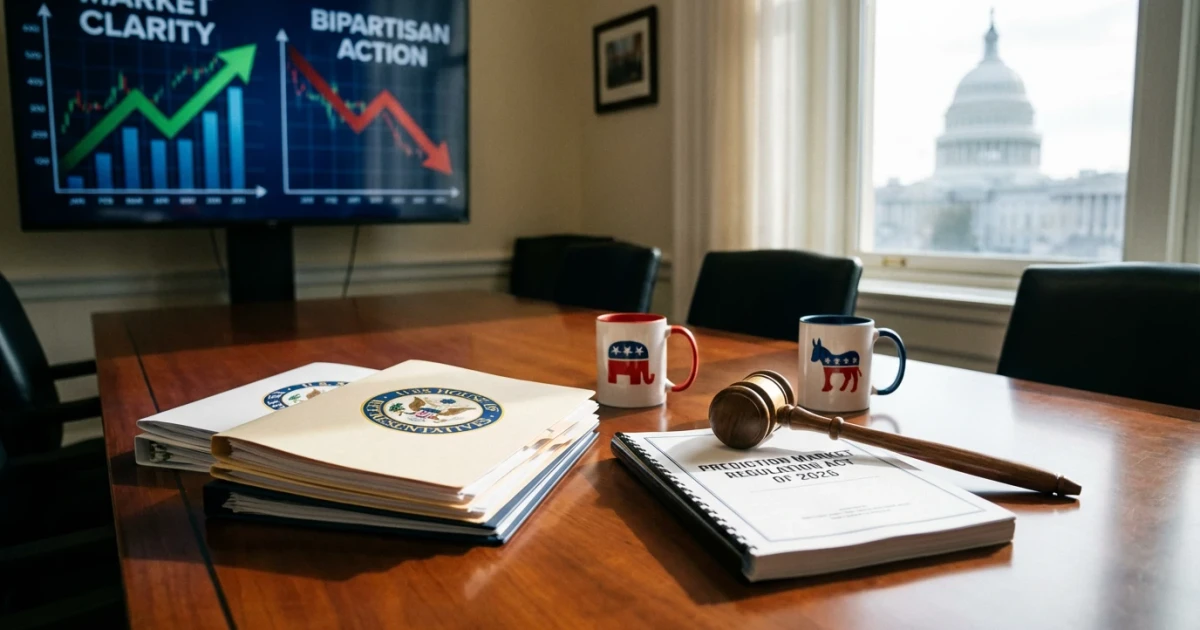
Multiple bipartisan bills were introduced in the US Congress during early to mid-March 2026, signaling renewed legislative focus on the regulation and oversight of prediction markets. The push comes amid increasing interest in these platforms, which allow participants to trade contracts based on the outcomes of future events, from elections to economic indicators.
Legislative Action Gains Momentum
As reported by Tekedia, several lawmakers from both major parties introduced bills addressing the legal status, regulatory framework, and operational guidelines for prediction markets in the United States. This surge in legislative activity reflects bipartisan recognition of both the potential benefits and risks associated with these markets.
- Official Congressional records show a notable increase in prediction market-related bills introduced in March 2026.
- Several bills propose clearer roles for regulatory agencies like the Commodity Futures Trading Commission (CFTC), and adjustments to existing financial regulations.
- Lawmakers emphasized the need for transparent guidelines to foster innovation while mitigating risks like manipulation, fraud, and the potential for unregulated gambling.
What Are Prediction Markets?
Prediction markets allow individuals to buy and sell contracts whose payoffs depend on the outcomes of specific future events. These platforms can aggregate collective wisdom, producing insights that sometimes outperform traditional forecasting methods. However, their legal status has often been ambiguous, with some operating under research exemptions or limited no-action relief from regulators.
Key Issues Driving Bipartisan Interest
The legislative flurry is driven by several key factors:
- Market Growth: Prediction markets have seen rising participation and trading volumes, with recent CFTC market reports highlighting their expansion into new domains beyond politics, such as climate and technology predictions.
- Regulatory Uncertainty: The lack of clear rules has led to confusion among operators and participants. Some markets have faced shutdowns or enforcement actions, further underscoring the need for legislation.
- Public and Academic Interest: Researchers and think tanks argue that well-regulated prediction markets can improve public decision-making and policy analysis, as detailed in studies like the Government Accountability Office's 2023 report on the topic.
Proposals Under Consideration
While details of the bills vary, common elements include:
- Defining prediction markets and distinguishing them from gambling or traditional derivatives trading.
- Clarifying the CFTC's role in registering and overseeing market operators, referencing the framework for swap execution facilities.
- Setting rules to prevent market manipulation, protect retail participants, and ensure data transparency.
- Establishing reporting requirements and limits on market scope to address public policy concerns.
Next Steps and Outlook
As these bills move through the legislative process, stakeholders—including market operators, academics, consumer advocates, and regulators—are expected to offer input. Debate will likely focus on balancing innovation with consumer protection, and on reconciling different approaches to oversight seen in previous regulatory attempts, as documented in Federal Register notices over the past decade.
Should consensus emerge, the US could see its first comprehensive federal framework for prediction markets—a move that would clarify their status and potentially boost responsible adoption. For now, the introduction of these bipartisan bills marks a significant step towards resolving uncertainty in this evolving field.