Politics
Bipartisan housing bill set to become law despite Trump refusal

Donald Trump said on June 24 that he would not sign the bipartisan housing bill and canceled the planned signing ceremony, but the measure was still on track to become law because Congress had already approved it and he did not issue a veto. The constitutional clock, not the president’s signature, was doing the work.
That detail matters in Washington because it showed Congress can send a bill to the White House and have it become law even when the president withholds a celebratory signature. In this case, the House passed H.R. 6644 on February 9, 2026, and the Senate passed an amended version on March 12 under the short title the 21st Century ROAD to Housing Act. The Congressional Research Service says the House-passed version contains six titles and 38 sections, with the Senate adding a Title VI on community banks.
The bill is being described as the biggest overhaul of federal housing policy in decades, and it carries no new spending. Instead, it tries to make housing cheaper to build and easier to finance by streamlining environmental reviews, removing restrictions for manufactured homes, expanding access to small-dollar mortgages, and limiting large institutional investors such as private equity firms to no more than 350 single-family homes.
That policy mix is aimed at a severe shortage. PBS reported the United States is short nearly seven million housing units, home prices are up 54 percent since 2020, and the median cost of a mortgage has nearly doubled. The hope is that lighter permitting, broader financing and fewer federal barriers will increase supply across markets where renters and would-be buyers have been squeezed for years.
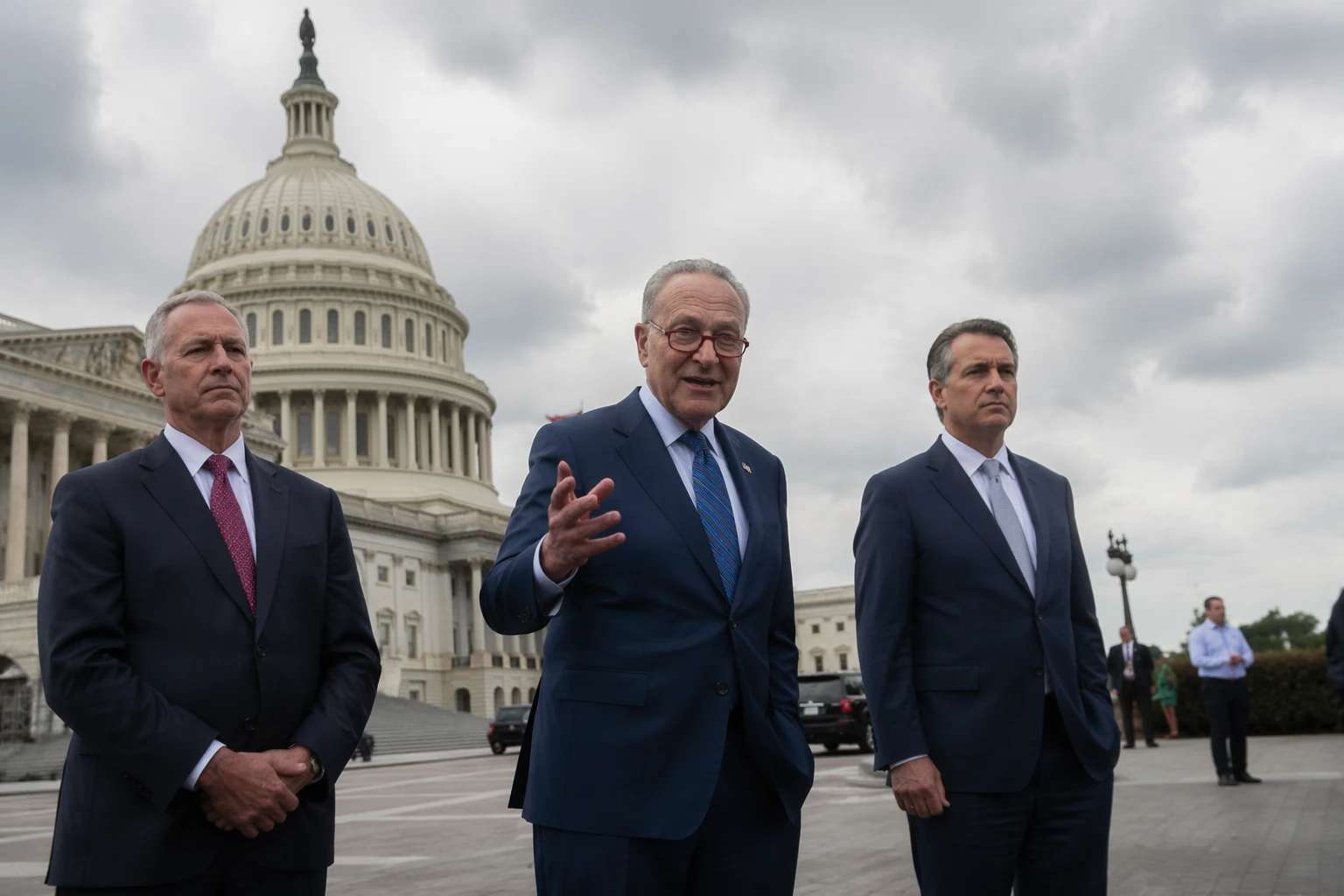
House Republican leaders Mike Johnson, Steve Scalise and French Hill praised the bill’s affordability goals before Trump’s announcement, while Elizabeth Warren and Sharice Davids criticized his move as political. The National Association of Home Builders also backed passage as a long-running bipartisan effort to expand production, though it warned earlier that a Senate forced-sale mandate for build-for-rent homes could reduce investment and cut production by nearly 40,000 units a year.
Even supporters say the law’s effect will depend on execution. The Urban Institute says federal agency capacity, state and local response, and private-market reaction will determine how quickly the new rules translate into more homes, lower costs and a less constrained rental market.
Sources
- [1]news.google.com
- [2]pbs.org
- [3]congress.gov
- [4]urban.org
- [5]nahb.org