Politics
Bipartisan senators unveil revised Russia sanctions bill after Graham’s death
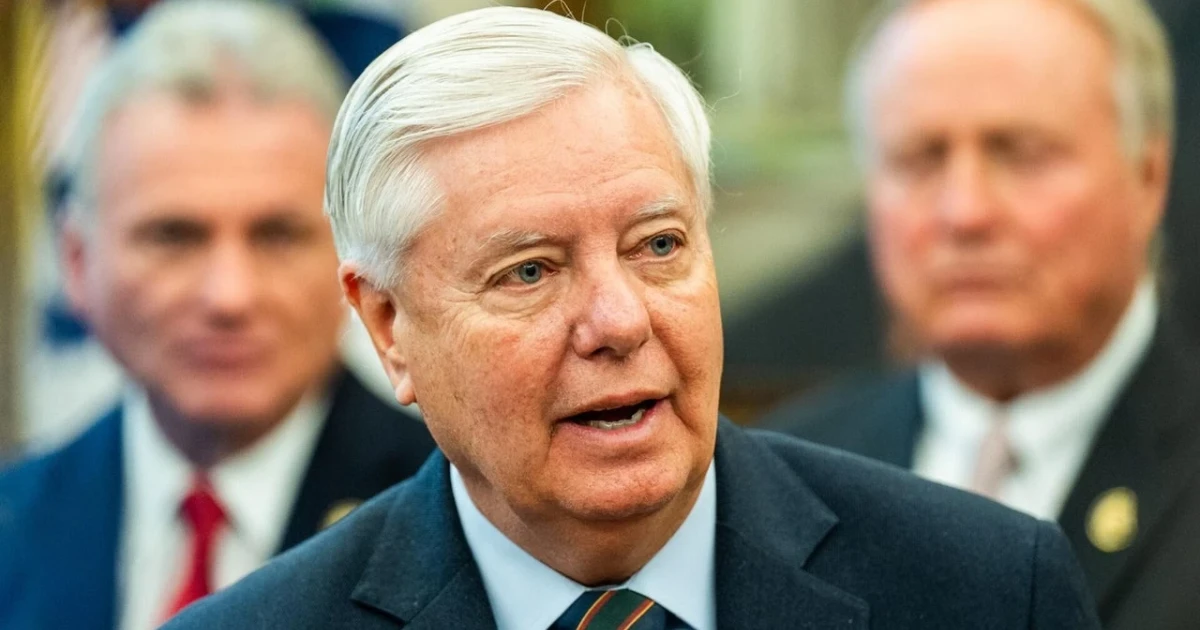
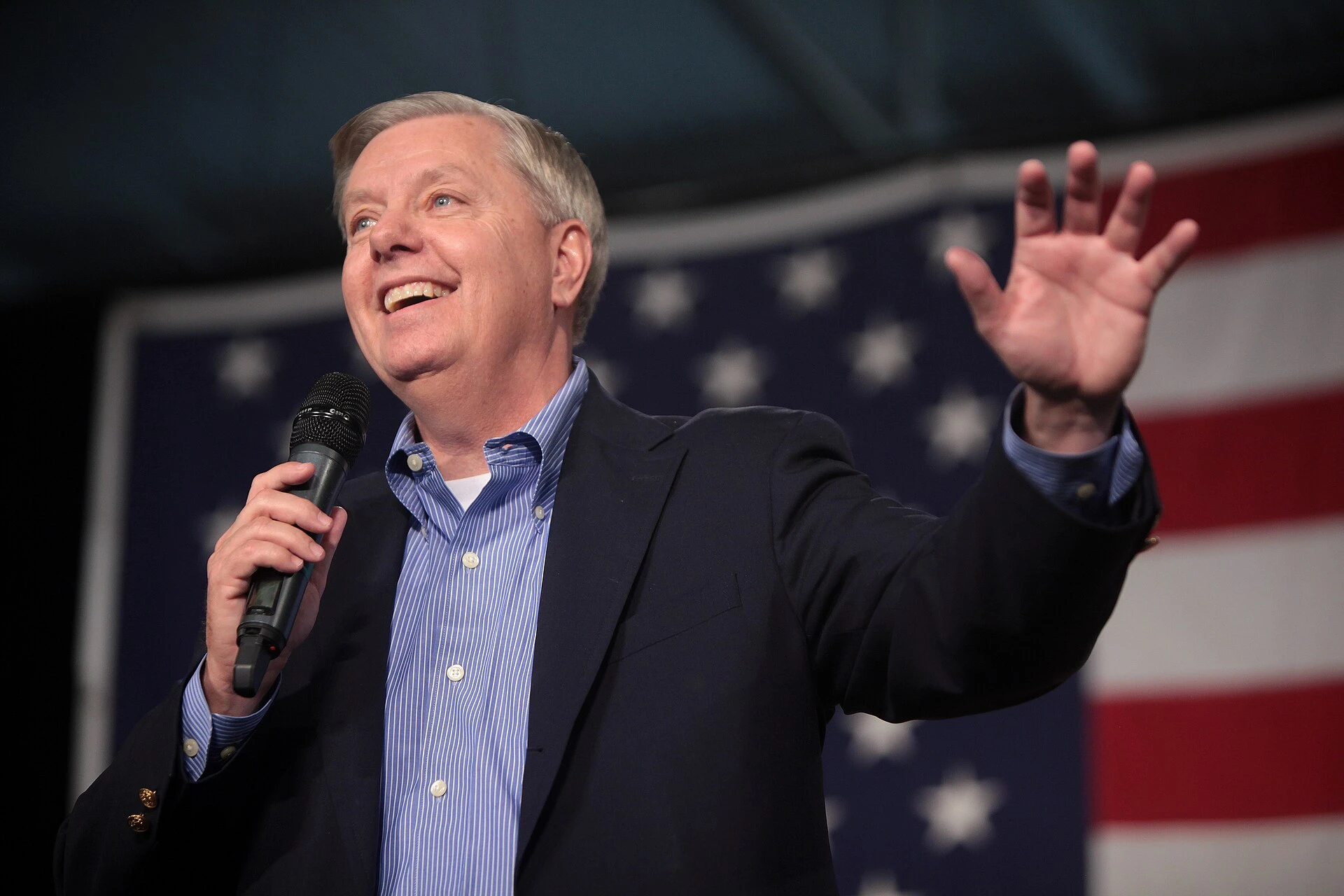
Bipartisan senators unveiled a revised Russia sanctions bill on Tuesday, cutting the proposed tariff threat from a blanket 500% to as much as 100% on the top five purchasers of Russian oil and gas and adding a presidential waiver. The rewrite builds on the Sanctioning Russia Act of 2025, first introduced by Lindsey Graham and Richard Blumenthal on April 1, 2025, and comes after months of negotiation, Graham’s death over the weekend and a July 10 agreement with the Trump administration.
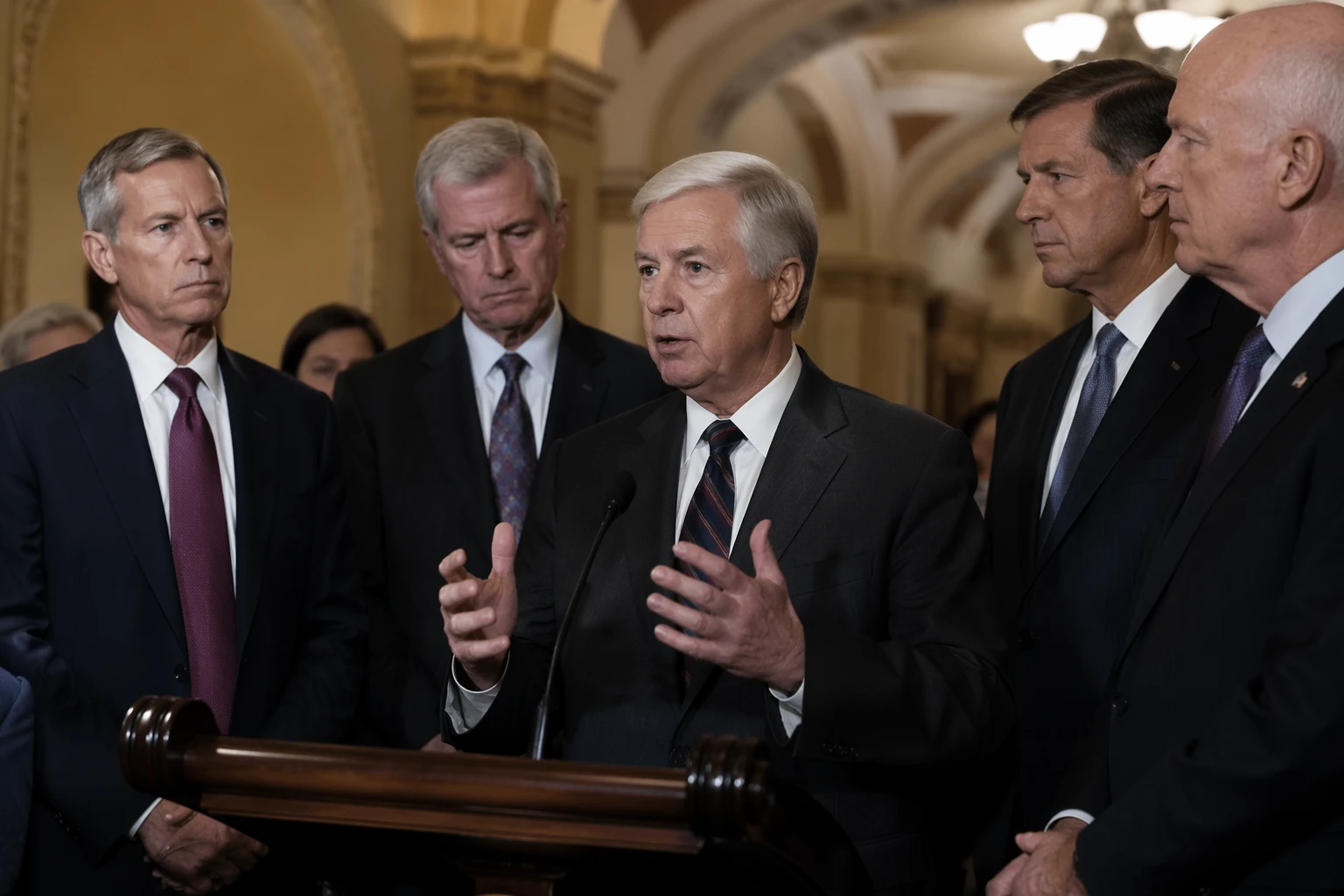
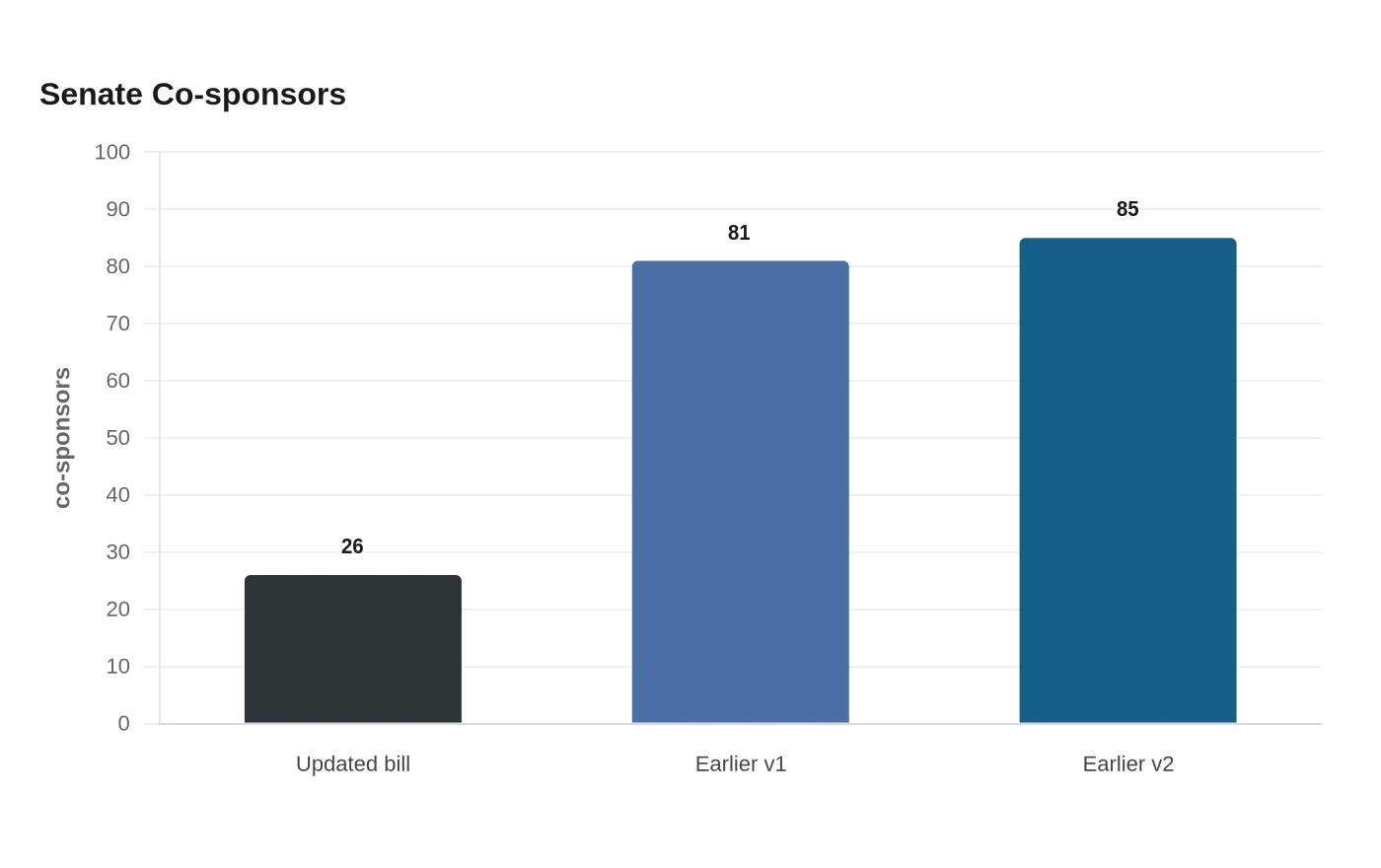
Richard Blumenthal said passage would be a “fitting tribute” to Graham, while Jeanne Shaheen and Roger Wicker joined the latest push. Senate aides said the updated bill had 26 co-sponsors and that more were expected. Earlier versions had drawn 81 and then 85 Senate co-sponsors, a sign that the measure has long had broad support even as it repeatedly stalled before reaching the floor.
The revised text is aimed well beyond Moscow’s border. It would target Russian financial institutions, the Central Bank of the Russian Federation, the shadow fleet of tankers used to skirt existing sanctions, and major state energy projects including Yamal LNG and Arctic LNG 1, 2 and 3. It also keeps pressure on foreign buyers of Russian oil and gas, with the biggest potential targets including China, India, Slovakia, Hungary, Azerbaijan, France, Japan and Belgium.
At the same time, the bill carves out an exemption for countries that import less than 15% of Russia’s natural gas exports and are taking significant steps to reduce those imports. That detail matters because it narrows the threat of secondary sanctions to the countries most dependent on Russian energy while leaving room for allies and smaller importers to avoid the harshest penalties if they cut exposure fast enough.
Supporters say the goal is to choke off revenue that helps finance Russia’s war and to give President Donald Trump a tool to push Vladimir Putin toward a ceasefire in Ukraine. Graham said in Kyiv that he was more optimistic than ever that the bill could help end the war. Senate backers now believe the revised measure can pass both chambers and reach Trump’s desk, turning a long-running bipartisan warning into a sanctions package with direct economic consequences for Russia and its customers.
Sources
- [1]abcnews.com
- [2]usnews.com
- [3]upi.com
- [4]lgraham.senate.gov
- [5]notus.org