Health
Bird flu could delay gannet recovery in Scotland and Wales until 2041
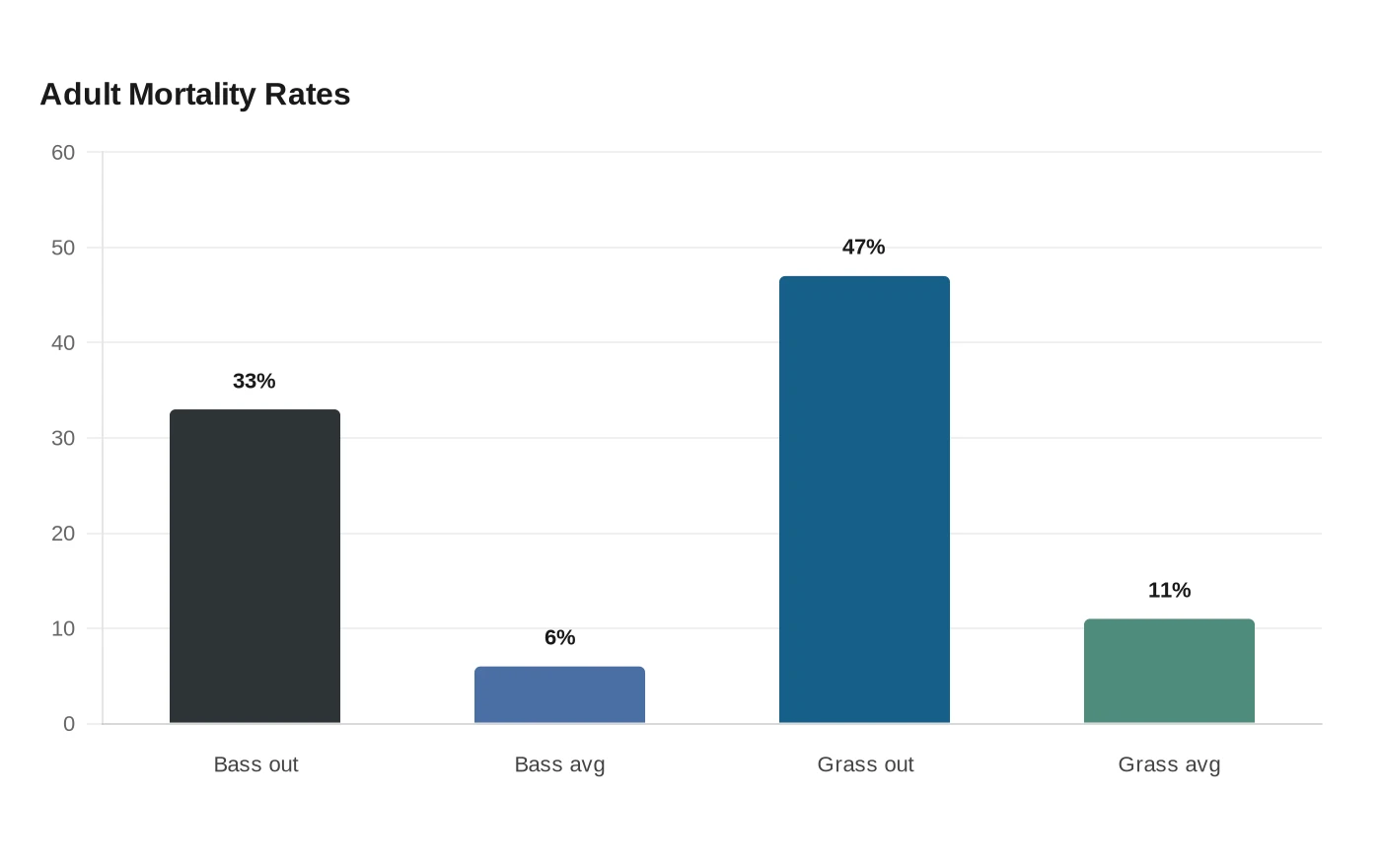
Northern gannet colonies at Bass Rock in Scotland and Grassholm in Wales are not expected to return to pre-outbreak size until 2041 at the earliest. A study led by the RSPB and Aarhus University found adult mortality jumped to 33% at Bass Rock and 47% at Grassholm during the outbreak, compared with average annual mortality of 6% and 11% in the 11 years before 2022.
The virus was first confirmed in gannets at Bass Rock on 4 June 2022 and reached Grassholm the following month. RSPB surveys recorded at least 11,000 gannet deaths in Scotland and 5,000 on Grassholm, while the colonies themselves were estimated to have shrunk by 26% at Bass Rock and 38% at Grassholm in 2023.
Jude Lane, the RSPB marine conservation scientist who led the study, said the outbreak dealt an “unprecedented deadly blow” to UK seabirds and that key gannet colonies would be affected for decades. Long-lived breeding adults drive colony growth, so each year of elevated mortality pushes recovery further back.
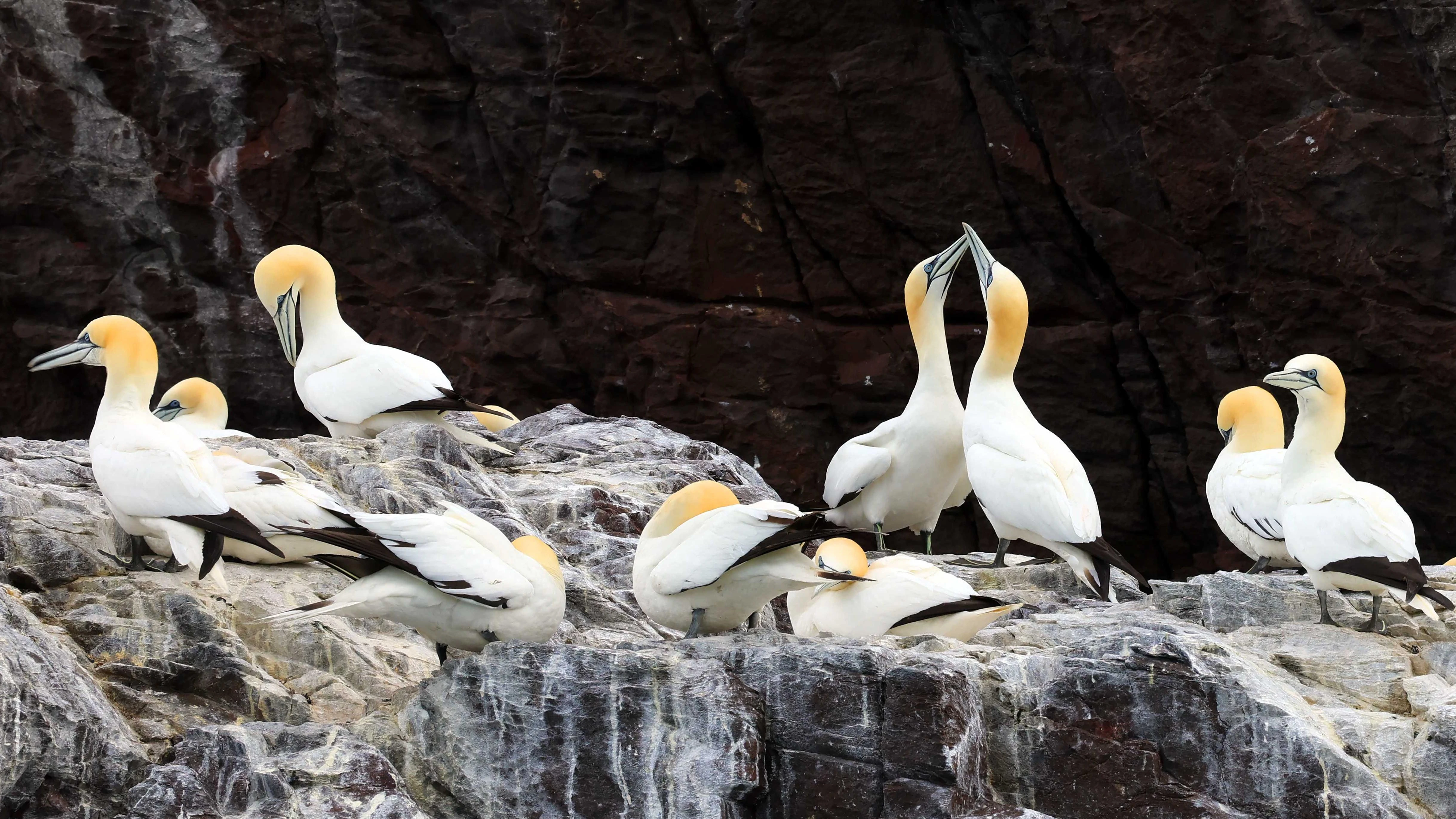
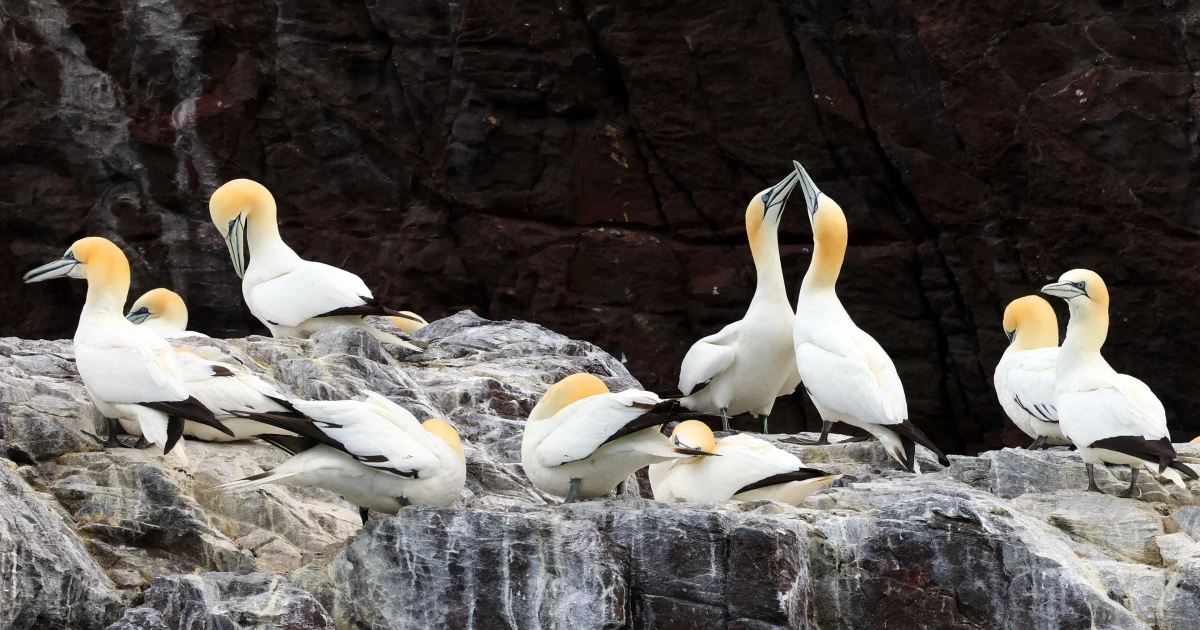
The UK supports over half of the world’s gannets, Scotland alone holds 56% of the global northern gannet population, and Bass Rock is the world’s largest gannet colony. RSPB survey data also found a 25% decline in gannet breeding numbers across UK sites surveyed in 2023, with Wales down 54%, its lowest level since the 1960s.
In 2022, scientists at the Scottish Seabird Centre warned the colonies were in “uncharted waters” because the disease hit Bass Rock at the start of the breeding season. More recent work from the centre shows Bass Rock may now be stabilising, but breeding success remains low.
The study recommends revising the species’ global conservation status from Least Concern on the IUCN Red List. The current H5N1 strain first appeared in the UK in 2021 and has affected as many as 21 of the country’s 25 regularly breeding seabird species.
Sources
- [1]bbc.co.uk
- [2]rspb.org.uk
- [3]seabird.org
- [4]nora.nerc.ac.uk
- [5]researchportal.hw.ac.uk
- [6]web-cdn.rspb.org.uk