Business
BIS warns global economy faces debt, inflation and AI risks
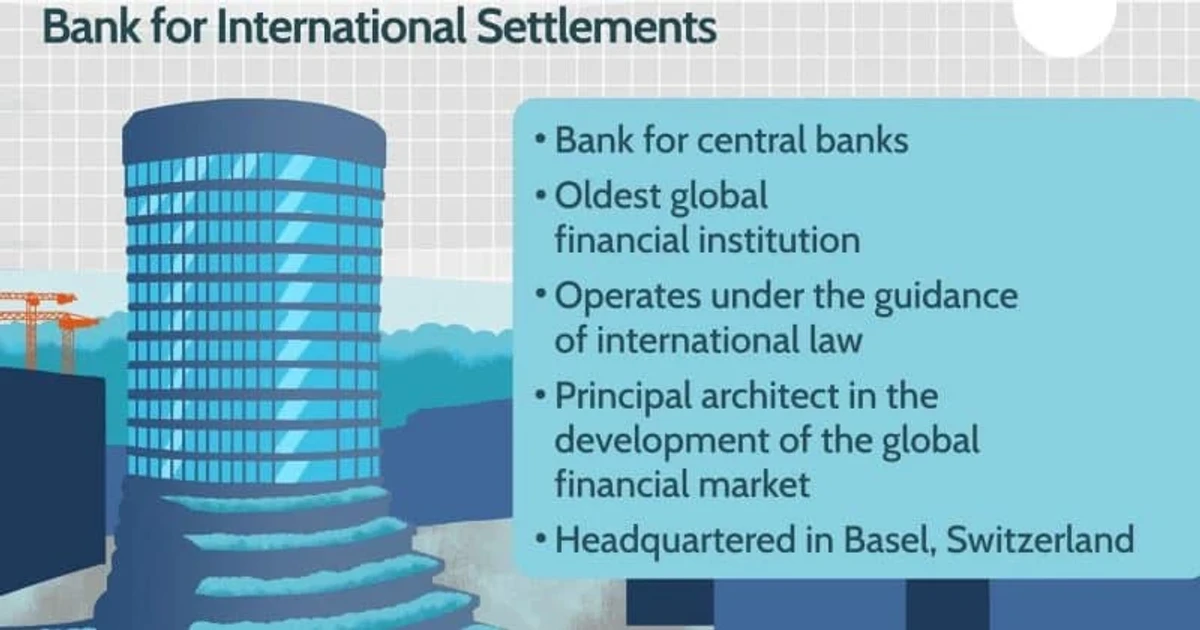
Rising public debt, fragile markets and shifting inflation dynamics are forming a new fiscal-financial stability nexus, the Bank for International Settlements said in its Annual Economic Report published on 28 June 2026. The report called the outlook one of “progress and peril.”
Pablo Hernández de Cos, who became BIS general manager on 1 July 2025, said global growth proved resilient in 2025 thanks in part to lower-than-expected tariffs, firms’ adaptation to tariffs and optimism driven by artificial intelligence. He also said the recent Middle East conflict lifted inflation and uncertainty, and that the closure of the Strait of Hormuz caused unprecedented disruption in oil markets. The reopening of the strait and the ceasefire in the region offered some relief, yet the BIS said oil markets would still need time to normalize.
BIS chapter materials put the five largest hyperscalers’ AI-related capital expenditure at more than $1 trillion from 2025 through 2026, a scale that has turned the boom into a major source of financial risk as well as industrial investment. The surge raises questions about sustainability, with corporate credit vulnerable to repricing if AI fails to deliver the earnings investors now expect. Firms will likely need more debt and private credit to fund the buildout, while equity prices have already moved ahead of debt-market pricing, the BIS’s bulletin on AI financing said.

A reversal in AI enthusiasm could hit not just chipmakers and cloud groups but lenders, private-credit funds and investors holding stretched valuations. Higher public debt is also cutting fiscal space, leaving governments with less room to cushion the blow if growth slows or inflation flares again. Hedge funds’ repo borrowing has surged under lax funding terms, and the growing role of non-bank financial institutions in sovereign debt markets could amplify any abrupt repricing of government bonds.
The BIS said that combination raises the risk of market dysfunction, especially if bond yields jump and credit conditions tighten at the same time. Its policy prescription is to preserve price stability, rebuild fiscal buffers, align regulation across the financial system and keep any liquidity backstops temporary, targeted and easily reversible.
Sources
- [1]money.usnews.com
- [2]bis.org