Business
Bitcoin Slides Amid Tariff Uncertainty
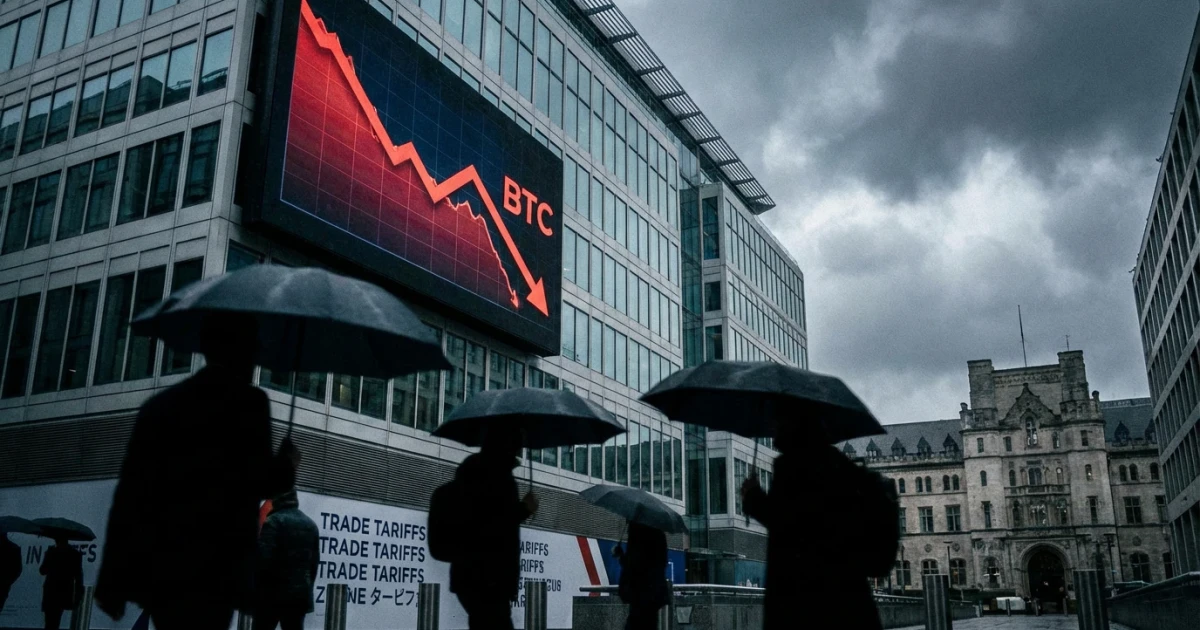
Bitcoin slipped below the $65,000 mark on Friday, as renewed trade tensions stemming from former President Donald Trump’s proposed tariff actions unsettled cryptocurrency markets and added to broader investor uncertainty.
Tariff Moves Spark Market Volatility
According to CNBC, the latest dip in Bitcoin’s value came as markets reacted to the potential economic fallout of Trump’s recent tariff proposals. This resurgence of protectionist rhetoric has caused a ripple effect across both traditional and digital asset markets, as traders weigh the implications for global trade and risk appetite.
- Bitcoin’s price fell to under $65,000 in overnight trading, its lowest point in several weeks.
- Other major cryptocurrencies such as Ethereum and Dogecoin also registered declines, reflecting broader risk-off sentiment.
- Equity markets and commodities similarly experienced increased volatility as investors digested the prospect of higher tariffs and potential retaliatory measures from trading partners.
Economic and Policy Context
The uncertainty centers on possible adjustments to U.S.-China trade policy, with Trump signaling a willingness to impose new or higher Section 301 tariffs. Fears of a renewed trade dispute have previously weighed on global growth forecasts, as highlighted in the IMF World Economic Outlook.
Historically, digital assets like Bitcoin have sometimes been viewed as hedges against economic and geopolitical turmoil. However, this latest episode underscores Bitcoin’s increasing correlation with risk assets, as investors opted for caution amid the policy uncertainty. TradingView data shows that Bitcoin’s price has oscillated between $65,000 and $70,000 in recent weeks, but the latest tariff news triggered a sharper move downward.
Market Perspectives and Analysis
Analysts suggest that the cryptocurrency market remains susceptible to macroeconomic developments, especially those impacting global liquidity and risk sentiment. While some investors may seek out Bitcoin during times of fiat currency instability, others may view rising tariffs as a drag on economic growth, reducing appetite for speculative assets.
- Interactive charts from TradingView enable investors to track real-time and historical Bitcoin price movements, offering context for the recent volatility.
- The Federal Reserve’s official Bitcoin-to-USD exchange rate provides additional data for market watchers evaluating currency and crypto trends.
- Monthly Bitcoin price data from Statista shows that while the asset has experienced significant gains over the past year, it remains highly sensitive to global macro events.
Looking Ahead
As the U.S. administration continues to debate its trade stance, market participants are likely to remain cautious. The outlook for Bitcoin and other cryptocurrencies will be shaped by further policy announcements, the strength of the broader economy, and evolving investor sentiment globally.
For now, the latest tariff uncertainty highlights the digital asset market’s vulnerability to economic policy shifts—a trend market observers expect to persist as the world navigates an era of heightened geopolitical competition.