Business
Black Monday response shaped Greenspan’s legacy as crisis manager
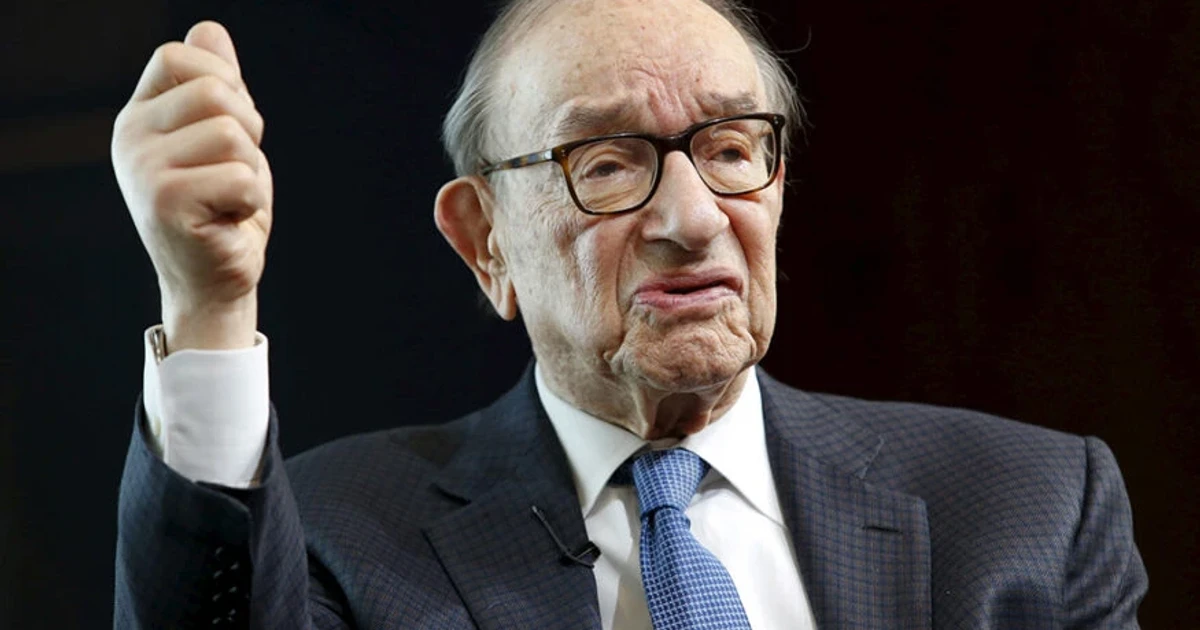
Alan Greenspan's legacy as a crisis manager was sealed by a single sentence after the 1987 stock market crash. When Black Monday erased 22.6% of the Dow in one session, the new Federal Reserve chairman moved fast, and markets have argued ever since about whether he calmed panic or taught investors to expect rescue.
The moment that made the legend
Greenspan had been Federal Reserve chairman for only about two months when the crash hit, having taken office on August 11, 1987 during the Ronald Reagan era. On October 20, one day after Black Monday, he issued a statement saying the Fed was ready "to serve as a source of liquidity to support the economic and financial system." That line, brief enough to fit in a single breath, became the defining image of his early tenure.
The response was not only rhetorical. Behind the scenes, the Federal Reserve System made credit available and urged banks to keep lending to securities firms, a practical effort to keep the machinery of finance from seizing up. From Washington, D.C., the Board of Governors of the Federal Reserve System signaled to New York City and global markets that it would not allow a liquidity shock to turn into a wider panic.
Why Black Monday was more than a Wall Street rout
The scale of the selloff explains why the Fed acted so quickly. On October 19, 1987, the Dow Jones Industrial Average fell 22.6% in a single trading session, a drop of 508 points that still stands as the largest one-day stock market decline in history. The Federal Reserve Bank of Chicago noted that more than $500 billion of corporate equity disappeared in less than seven hours.
The Federal Reserve later described the crash as the first contemporary global financial crisis, because the damage was not confined to the United States. Market functioning was severely impaired, and policymakers feared broader credit disruption if the shock spread through clearing, lending, and settlement channels. In other words, the danger was not only falling share prices, but the possibility that the financial system itself could stop moving.
How the Fed steadied the system
The Fed's immediate priority was to restore confidence in the plumbing of finance. Its 2007 historical review of the crash said the system responded in visible ways to support financial markets, a reminder that central banking at moments like this is as much about signaling as about actual balance-sheet tools. By offering liquidity and pressing banks to continue lending, Greenspan and his colleagues tried to prevent a market panic from becoming a credit panic.
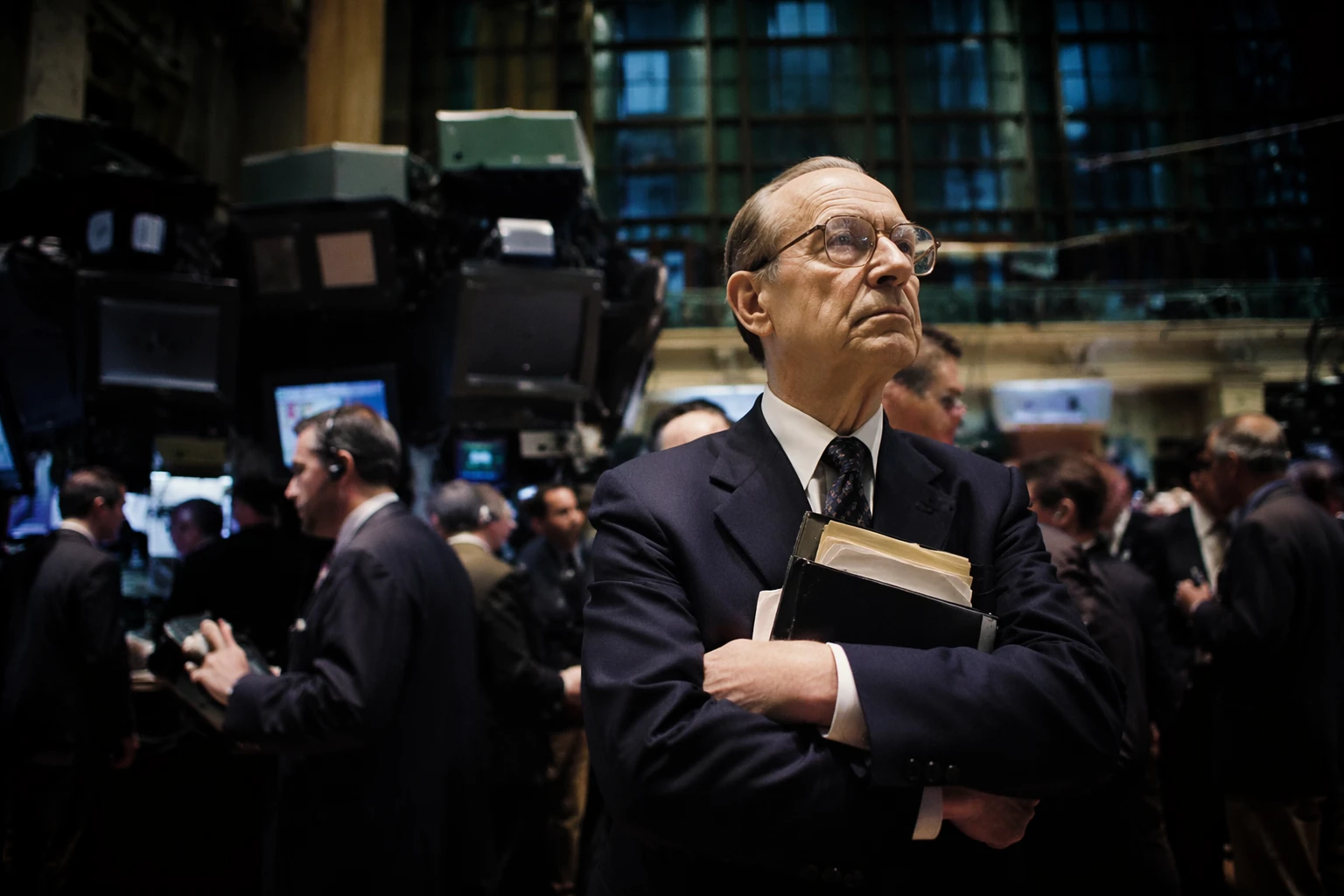
That distinction matters. The intervention was meant to support the operation of financial markets, not to guarantee stock prices or shield speculators from losses. The Fed's message was that liquidity would be there if sound institutions needed it, which helped stabilize expectations at a moment when fear itself was the accelerating force.
How the "Greenspan put" took hold
The Black Monday response became the basis for what later came to be called the "Greenspan put." The phrase captured a simple idea: when markets stumbled, the Fed would step in as a backstop, especially after later interventions in 1998 and 2001 reinforced the sense that policymakers would not tolerate deep financial stress for long. The label was powerful because it translated a series of crisis responses into a single market narrative.
That narrative has always been contested. The Federal Reserve Bank of Richmond later argued that the consensus view is that there is not really a formal Greenspan put or Fed put as a standing policy designed to bail out stock market investors. Even so, once traders believe that losses will be cushioned, their expectations can influence behavior long before a crisis arrives, which is why the debate around Greenspan goes beyond one day in 1987.
What the episode says about Greenspan's record
The Black Monday episode explains why Greenspan became famous as a crisis manager. He was not yet a long-tenured central banker with a settled reputation, but the speed and clarity of his response made him look decisive at a moment when the world needed reassurance. That reputation endured because the Fed's actions appeared to work: markets stabilized, the immediate panic eased, and the system kept functioning.
Yet the same episode also exposed the central tension in his legacy. By demonstrating that the Fed would act forcefully in a selloff, Greenspan may have reduced the odds of a deeper financial breakdown while also feeding the belief that risk would be cushioned in the next downturn. Later analysts and policymakers, including Donald Bernhardt, Marshall Eckblad, Mark Carlson and Donald L. Kohn, kept returning to that tension because it sits at the heart of modern central banking.
The lasting lesson is not that Greenspan was right or wrong in a simple sense. His Black Monday response showed that a central bank can stop a crisis from feeding on itself, but it also showed how a successful rescue can shape future expectations. That is why his most famous crisis-management moment remains both a triumph and the start of a longer argument about the price of reassurance.
Sources
- [1]nytimes.com
- [2]federalreservehistory.org
- [3]upi.com
- [4]federalreserve.gov
- [5]chicagofed.org
- [6]richmondfed.org