World
Black Rain Raises Health Fears After Russian Oil Strikes
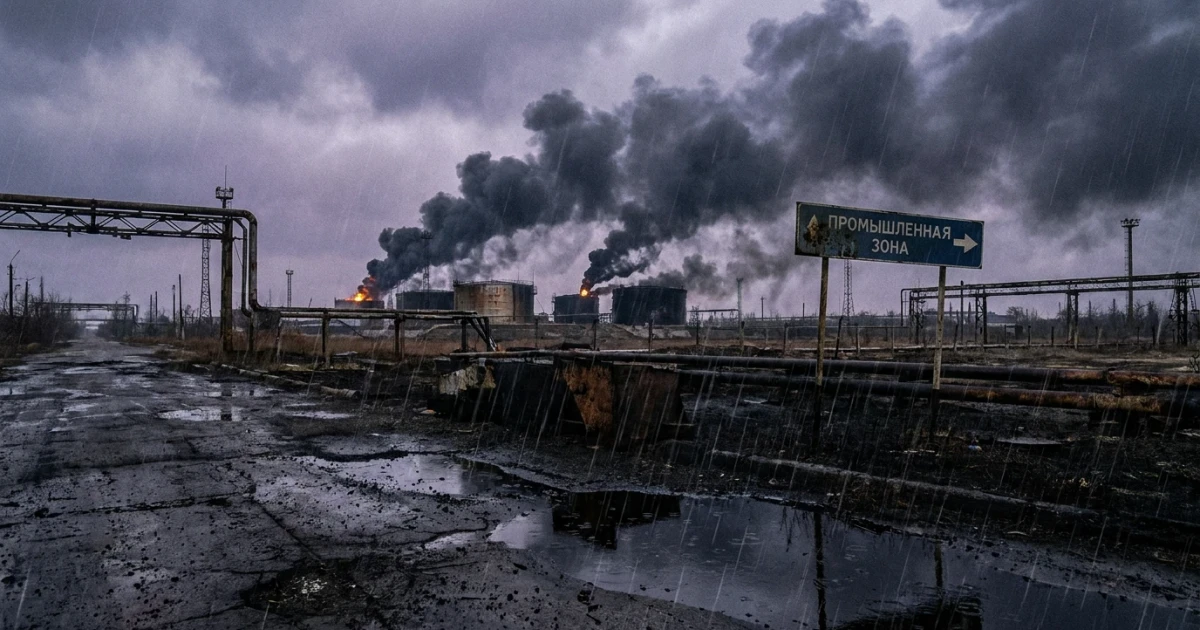
Ukraine’s recent strikes on Russian oil facilities have resulted in the release of poisonous black rain across parts of Russia, sparking widespread concerns about air quality, public health, and environmental fallout. The attacks, which targeted key infrastructure in several regions, mark an escalation in the ongoing conflict and highlight the far-reaching consequences of modern warfare for civilian populations.
Oil Facility Strikes Lead to Toxic Fallout
According to reporting from the Washington Post, a series of Ukrainian attacks struck oil storage and refining sites in western Russia. The resulting fires sent thick plumes of smoke into the atmosphere. Witnesses in affected cities described precipitation laced with oily, dark residue falling on cars, homes, and crops—an effect commonly referred to as “black rain.”
This phenomenon occurs when rain interacts with smoke and particulate matter from large-scale oil fires, absorbing toxic chemicals and carrying them back to the ground. The U.S. Energy Information Administration notes that Russia is among the world’s largest oil producers, with extensive infrastructure vulnerable to disruption and environmental hazards in the event of industrial accidents or military action.
What Makes Black Rain Dangerous
The OSHA Fact Sheet on hazardous chemical reactions explains that combustion of oil can generate a variety of toxic byproducts, including carcinogenic compounds like benzene and polycyclic aromatic hydrocarbons. These substances can be deposited on soil, water sources, and vegetation, increasing exposure risks for both people and wildlife.
- Black rain can contain heavy metals and persistent organic pollutants
- Exposure can cause respiratory problems, skin irritation, and long-term health effects
- Contaminants can enter the food chain, affecting agriculture and livestock
The World Health Organization’s ambient air quality fact sheet outlines the dangers of fine particulate pollution, which is linked to increased rates of asthma, cardiovascular disease, and premature death. These risks are magnified in the aftermath of major oil fires due to the concentration of toxic substances in both the air and subsequent precipitation.
Regional and Long-Term Impacts
Environmental experts cited by the United Nations Environment Programme have warned of the broader ecological consequences of repeated strikes on industrial targets. Toxic runoff from black rain can contaminate rivers and groundwater, while residue deposited on farmland threatens food safety and crop yields in the months ahead.
Official Russian statistics show that oil facility incidents, while rare, have spiked since the escalation of hostilities. The country’s energy infrastructure, as documented in the latest Rosstat oil industry report, is critical not only to the national economy but also to the livelihoods of millions living near refineries and storage depots. The current wave of attacks raises questions about the ability of authorities to manage environmental emergencies on this scale.
Health Warnings and Official Response
Local health officials have issued warnings advising residents to avoid exposure to rainwater, keep windows closed, and report symptoms of respiratory distress. Emergency services are conducting air quality monitoring, but some communities have expressed concern about the adequacy of response and transparency of information.
Peer-reviewed research on the health effects of oil fire smoke indicates that vulnerable populations—including children, the elderly, and those with pre-existing conditions—face the greatest risks. Long-term studies are needed to assess the cumulative impact of repeated exposure to black rain and related pollutants.
Analysis: A New Phase of Environmental Risk
The use of strategic strikes against oil infrastructure underscores the expanding environmental cost of the Russia-Ukraine conflict. As black rain falls on Russian communities, the immediate health hazards are compounded by the threat of persistent contamination and disruption to essential services.
Experts emphasize the urgent need for international cooperation, improved disaster preparedness, and greater public access to real-time environmental data. The coming weeks will be critical in determining the full extent of the damage—and the ability of regional and national authorities to protect public health in the face of ongoing hostilities.