Politics
Black unemployment stays high as Trump courts more Black voters
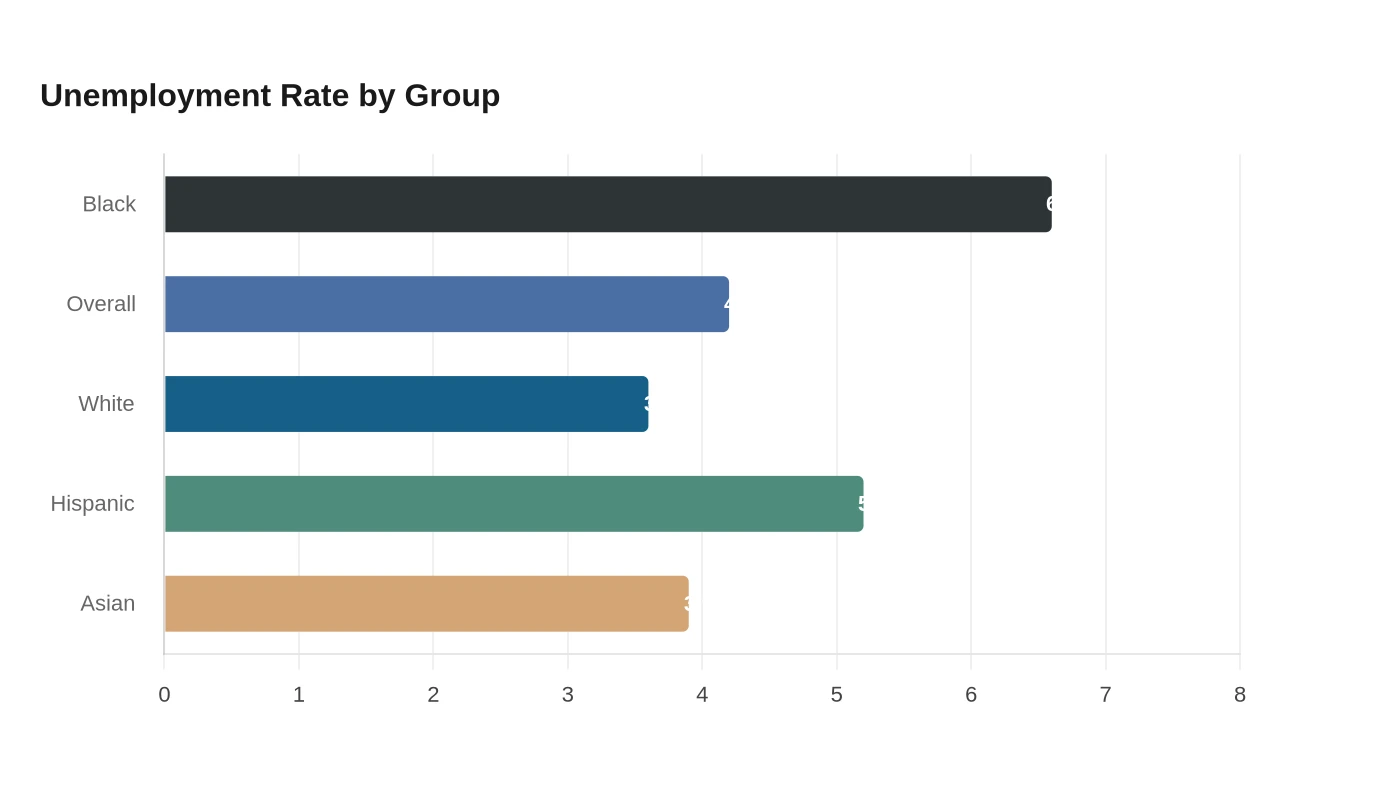
Black unemployment held at 6.6 percent in June, even as the overall U.S. jobless rate was 4.2 percent and Donald Trump kept pitching Black voters on his economic message. The gap was sharper still against other groups: White unemployment was 3.6 percent, Hispanic unemployment 5.2 percent and Asian unemployment 3.9 percent.
The U.S. Bureau of Labor Statistics said total nonfarm payroll employment rose by just 57,000 in June and the labor force participation rate fell to 61.5 percent. Within that weaker labor market, the number of Black workers employed fell by 29,000 from May to June, while Black unemployment stayed unchanged. The Joint Center said young Black workers saw a steeper reversal, with unemployment rising from 14.1 percent in May to 16.6 percent in June. Black women’s unemployment also edged up, from 6.0 percent to 6.2 percent.
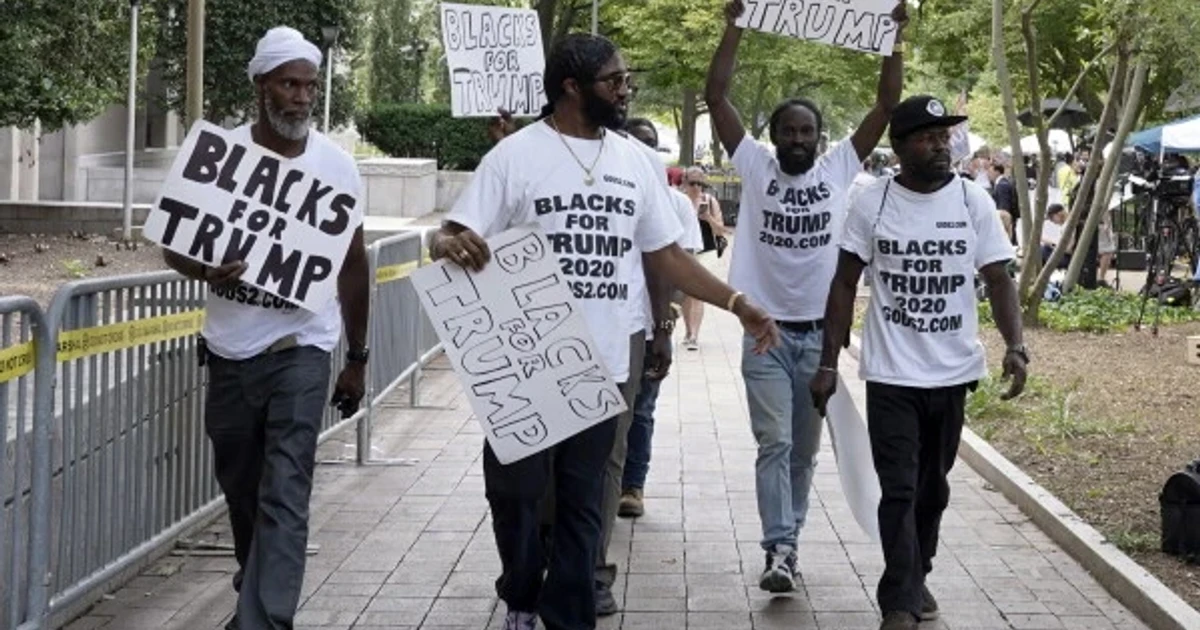
The numbers landed in a politically sensitive moment for Trump, who won 15 percent of Black voters in 2024, up from 8 percent in 2020, according to Pew Research Center. That gain gave him a larger share of Black support than many Republicans have received in recent cycles, but it still left him far short of a coalition that has long backed Democrats by wide margins.
Trump’s White House has tried to frame its outreach in economic terms. A Feb. 18 Black History Month statement highlighted historically Black colleges and universities funding, the SAVE America Act, Trump Accounts and tax cuts aimed at Black families. But the labor data showed the administration presiding over a racial gap that has outlasted multiple cycles of campaign promises and messaging.
Black unemployment has been roughly double White unemployment since 1972, and historical data suggest the gap has been more than double as far back as 1954.
Critics outside the administration seized on the mismatch. The National Urban League said Black unemployment had spiked to its highest level in four years and blamed hostile and discriminatory policies. The Economic Policy Institute said Black workers were facing worse labor-market trends as the economy softened. Trump, meanwhile, has continued making upbeat claims about Black jobs figures in public remarks, including assertions that Black unemployment is at or near record lows.
Sources
- [1]nytimes.com
- [2]bls.gov
- [3]jointcenter.org
- [4]pewresearch.org
- [5]brookings.edu
- [6]nul.org
- [7]whitehouse.gov