Politics
Blanche confirmation stalled over Trump IRS settlement and $1.8 billion fund
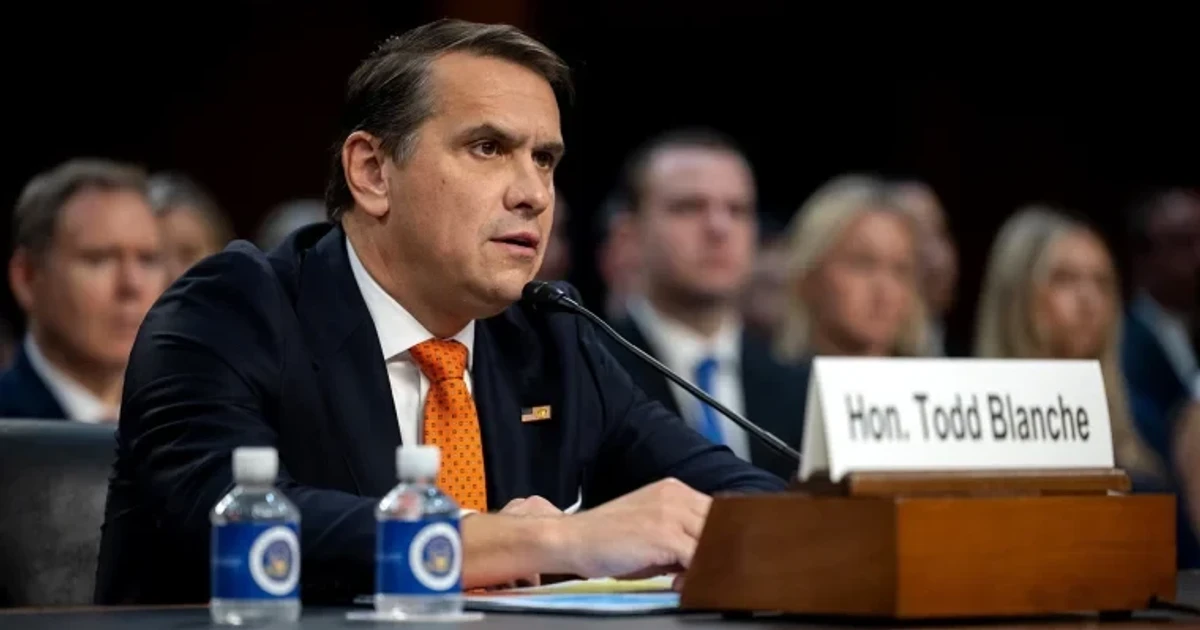
Senate Republicans scrapped a planned Judiciary Committee vote on Todd Blanche’s nomination after John Cornyn and Thom Tillis demanded tighter assurances that a Trump IRS settlement would not keep alive a $1.8 billion fund for allies. The fight turned Blanche’s confirmation into an immediate test of whether Congress could force written limits on a deal tied to Donald Trump’s own tax dispute.
The dispute centered on a settlement announced in May 2026 after Trump dropped his IRS lawsuit. A Justice Department document said the agreement directed the attorney general to issue an order establishing funding and other requirements for the fund, language that fed concern that the arrangement could outlast changing political promises. Two Republican senators were withholding support over the view that the deal gave Trump tax-audit immunity and created an “anti-weaponization” fund.
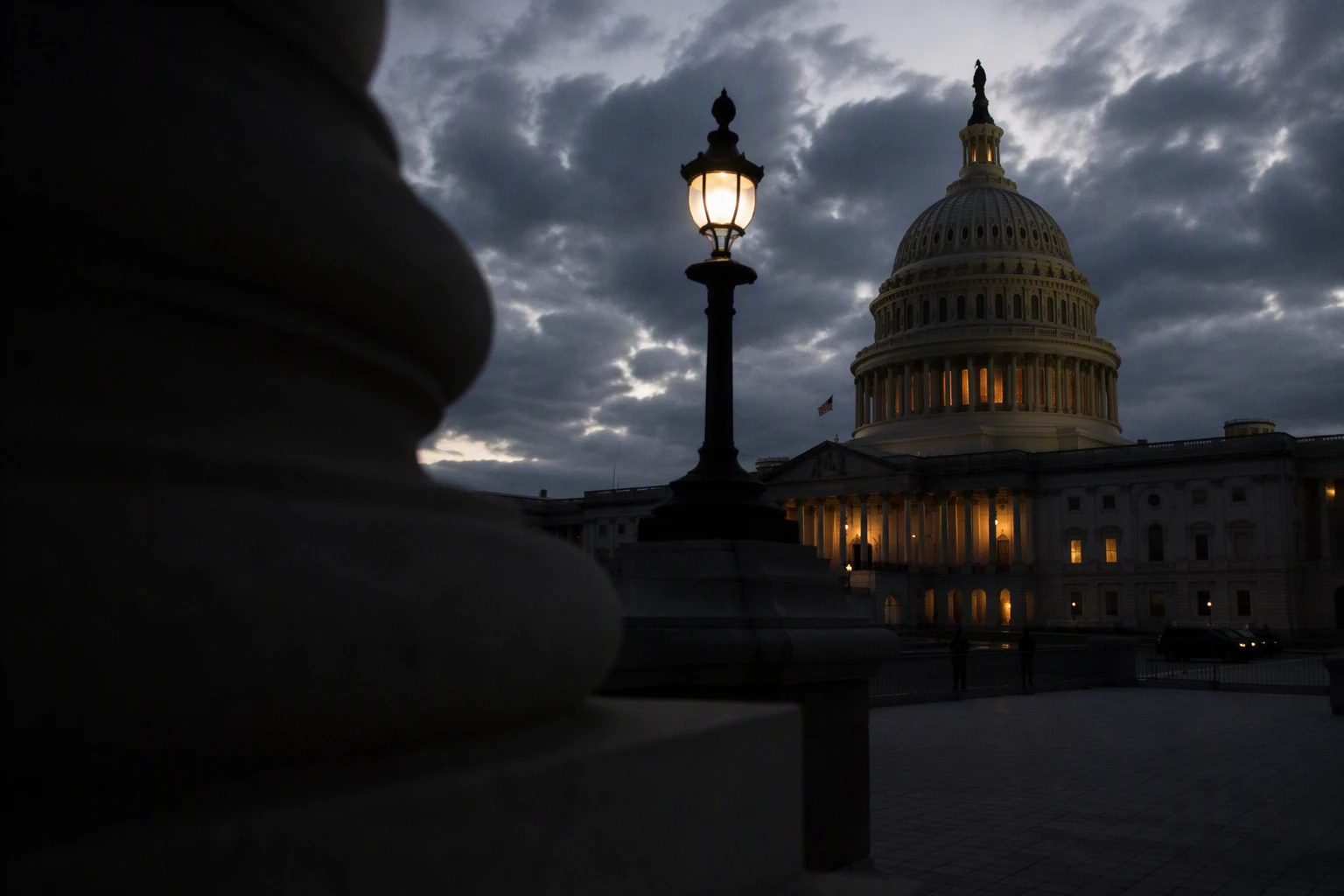
Blanche told lawmakers in July 2026 that the Justice Department was scrapping plans for the $1.8 billion fund, but Cornyn and Tillis wanted that reversal in writing, along with changes to the settlement itself. Their insistence reflected a basic institutional problem: a nominee’s verbal assurance cannot easily erase a signed settlement, especially one that already directed a future attorney general to take specific action. Without written revisions, the senators had little to point to if a future Justice Department tried to revive the arrangement in another form.

Trump complicated the confirmation even further by threatening to withdraw Blanche’s nomination if Senate Republicans did not confirm him, then publicly defending the fund while calling it “dead.” That left Blanche trying to satisfy senators who were being asked to trust both his pledge and Trump’s shifting public posture. Blanche was photographed walking through the Hart Senate Office Building in Washington, D.C., on July 29, 2026, as the pressure mounted.

The episode underscored how narrow Congress’s leverage can be when a president is determined to protect one of his allies. Cornyn and Tillis were not objecting to abstract theory; they were trying to lock down language that would keep a politically charged IRS settlement from becoming a permanent vehicle for taxpayer-backed compensation. A federal judge had already blasted the underlying deal and described the lawsuit as filed for an improper purpose, sharpening the argument that only enforceable written changes could meaningfully protect IRS independence from political interference.
Sources
- [1]nytimes.com
- [2]pbs.org
- [3]nbcnews.com
- [4]justice.gov
- [5]thehill.com
- [6]rollcall.com
- [7]washingtonpost.com
- [8]apnews.com
- [9]cnbc.com
- [10]texastribune.org