Politics
Blanche faces Senate test as Epstein files and party fractures loom
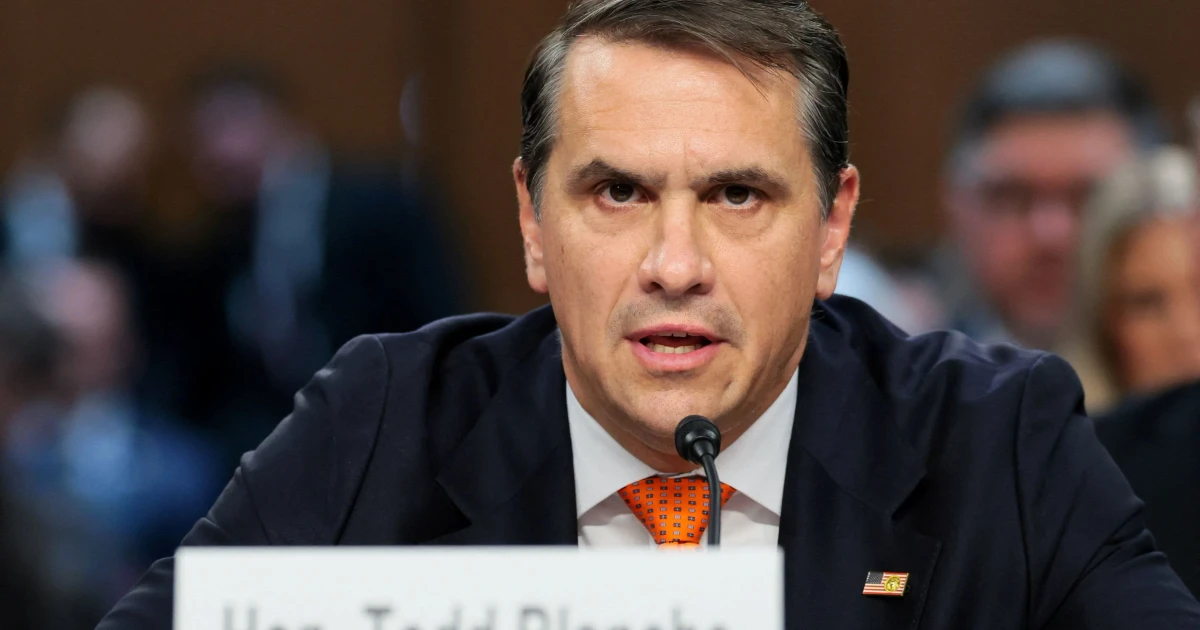
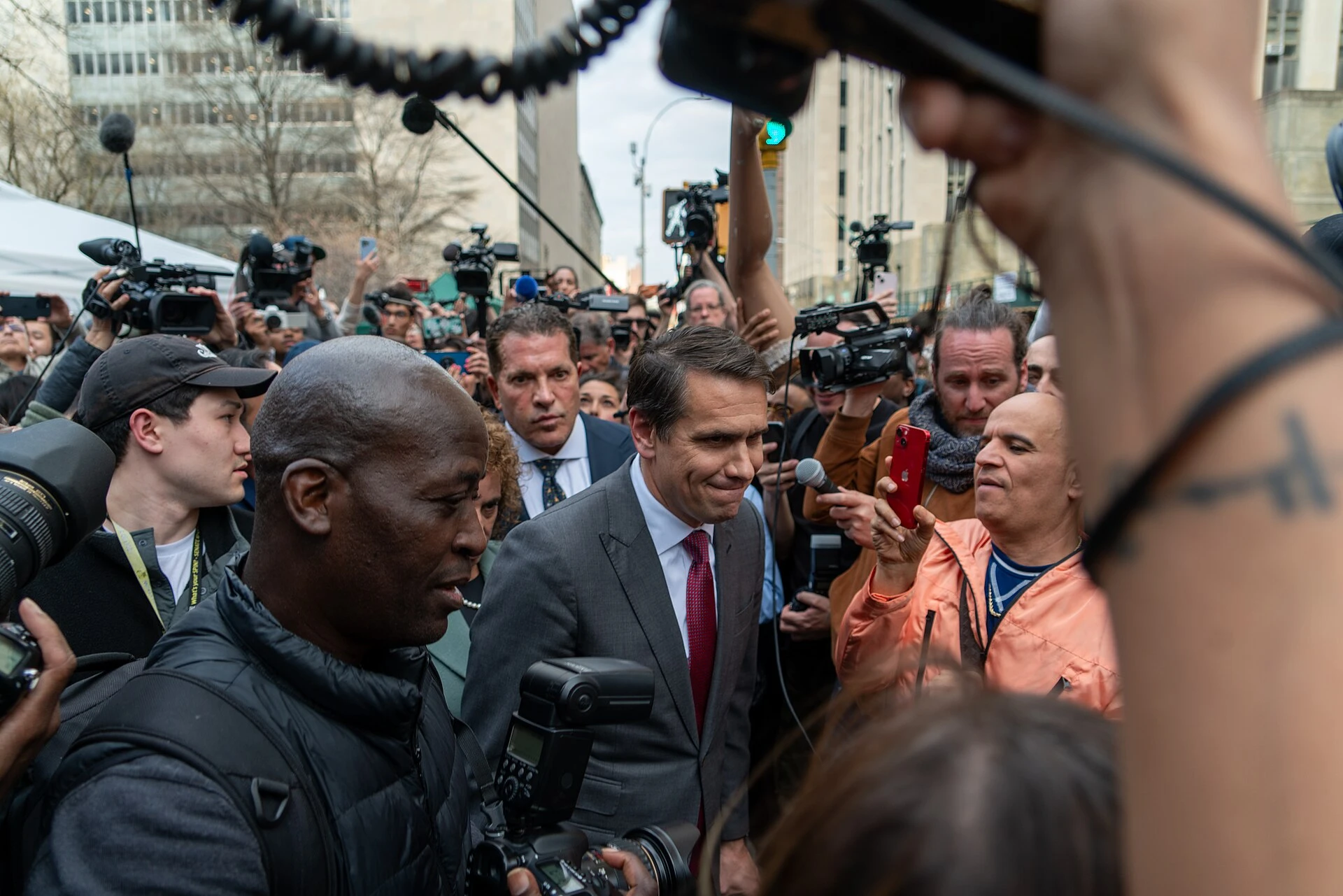
Todd Blanche spent two days before the Senate Judiciary Committee on July 15 and 16, facing questions about the Jeffrey Epstein files, crime and an IRS settlement as he moved through a confirmation fight that had already been framed on Capitol Hill as a glide path to the attorney general’s job. He stayed composed through the hours-long hearing, but senators created several testy moments as they pressed him on how closely he would align with Donald Trump.
Blanche tried to answer that pressure point directly, telling critics he was not a “yes man” as doubts grew over his loyalty to Trump. The exchange captured the central bargain at stake in the hearing: senators were weighing not just Blanche’s résumé, but how much independence an attorney general can claim while serving a president who prizes public fealty.
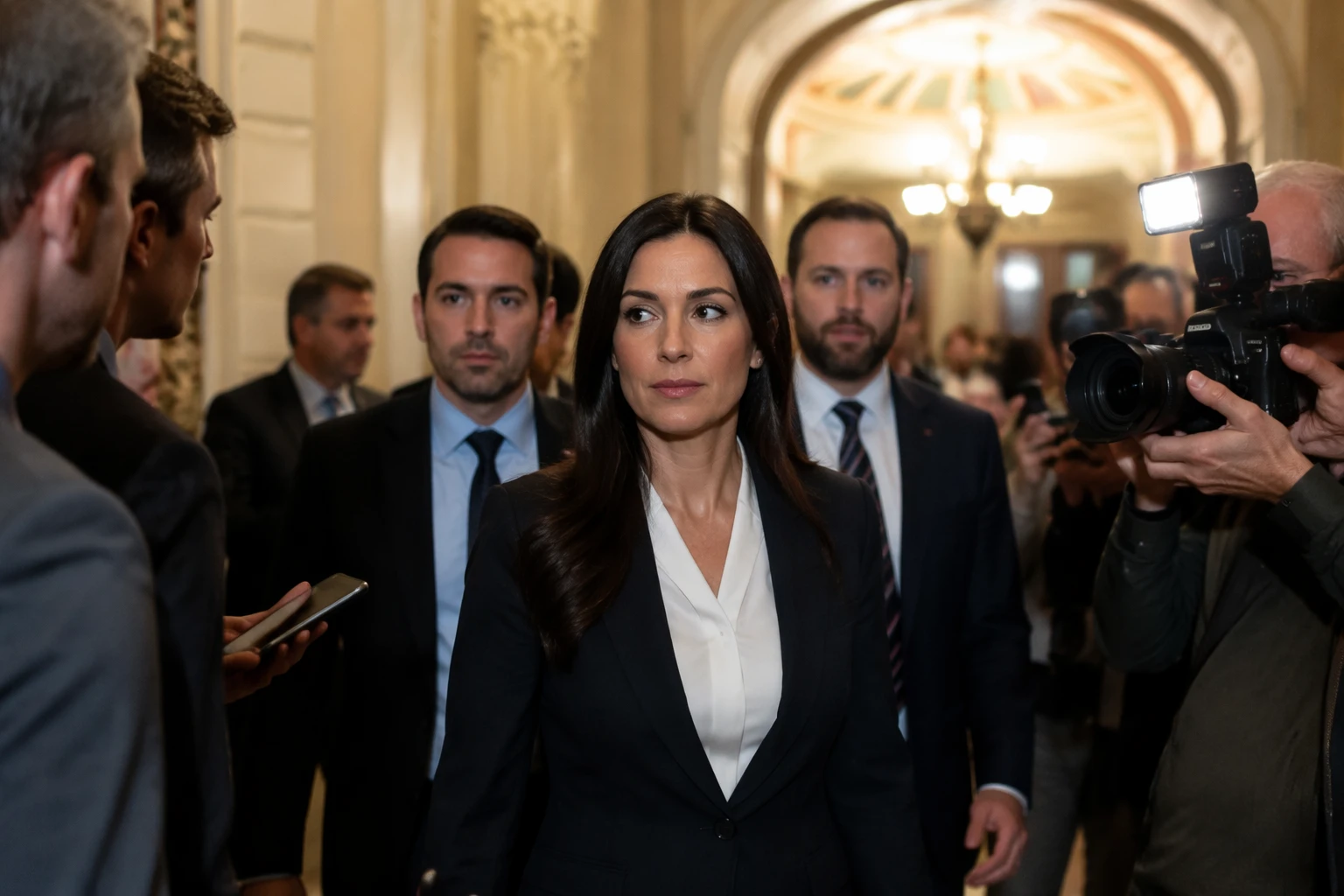
The Epstein matter sharpened that calculation. Epstein survivors who met with Blanche criticized him afterward, saying they were stunned and angry at the encounter. At least one key Republican senator said Blanche needed to meet with Epstein victims before winning his support, a reminder that even in a tightly managed nomination fight, backing is being traded for concessions, optics and loyalty tests rather than for a clean assessment of qualifications alone.
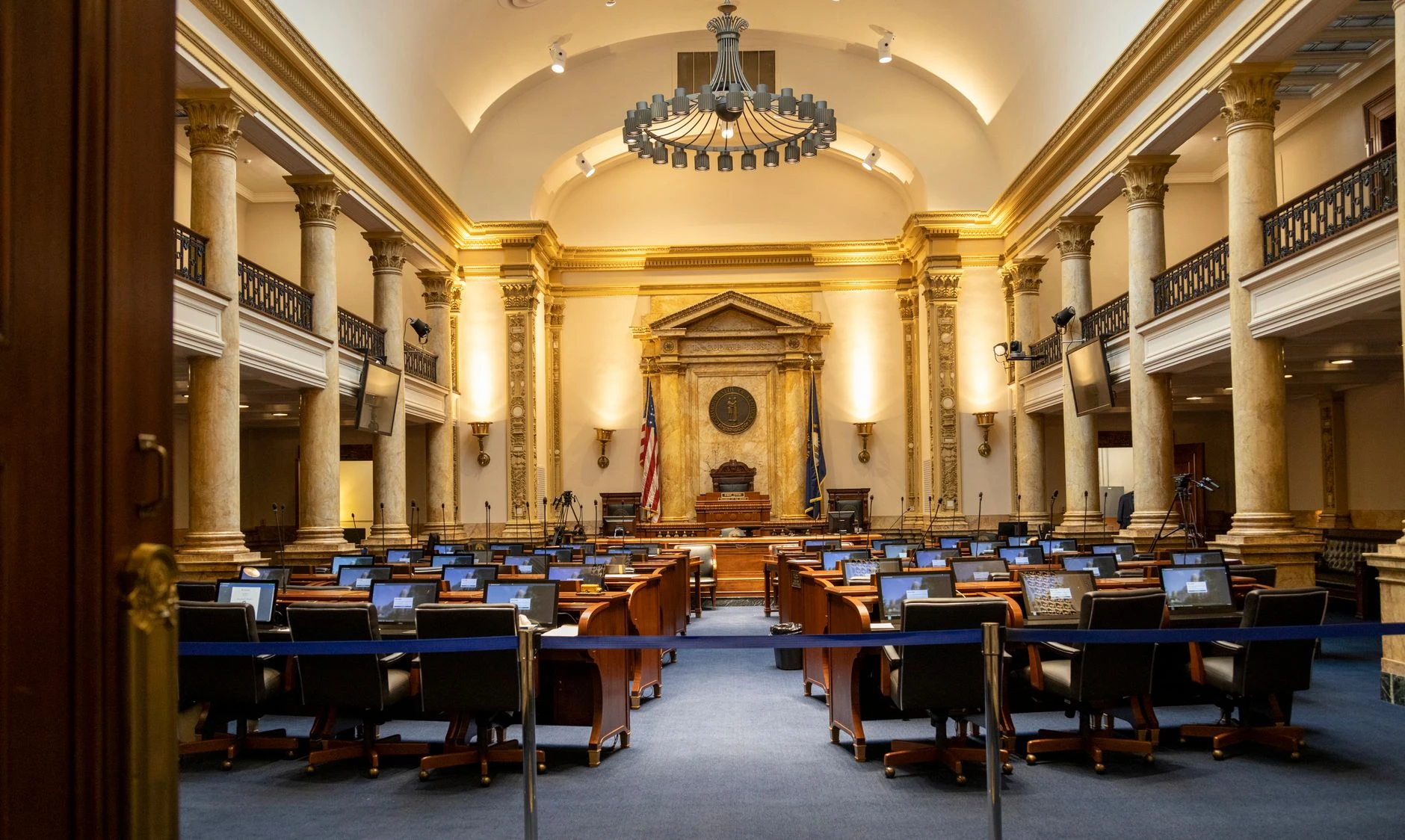
Lindsey Graham’s unexpected death before the hearing added another layer to the political arithmetic. Republicans had expected the South Carolina senator to be their most fervent advocate for Blanche, and his absence forced a strategy change at exactly the moment party leaders needed a familiar broker to smooth over doubts. Graham’s influence had long rested on a rare blend of partisan loyalty and institutional dealmaking, with a record that included bipartisan work on immigration, foreign policy and judges, even as he cultivated Trump. His loss removed a senator who could sell compromise inside a party increasingly organized around personal allegiance.
That same transactional logic is visible on the Democratic side, where moderates and progressives are fighting over shutdown strategy, 2026 messaging and the party’s direction. Recent intraparty battles have pitted calls to move left against arguments for a more centrist posture, leaving Democrats split over whether building coalitions or blocking Republicans should define the party’s identity. Blanche’s hearing, Graham’s missing presence and the Democratic fractures all point to the same pattern: political power is being assembled through short-term bargains that steadily weaken the norms both parties once relied on to keep those bargains in check.
Sources
- [1]nytimes.com
- [2]reuters.com
- [3]npr.org
- [4]cnbc.com
- [5]cnn.com
- [6]pbs.org
- [7]nbcnews.com
- [8]foxnews.com
- [9]theatlantic.com
- [10]thehill.com
- [11]kcra.com