US News
Blind attorney Karla Gilbride discusses how to think about disability
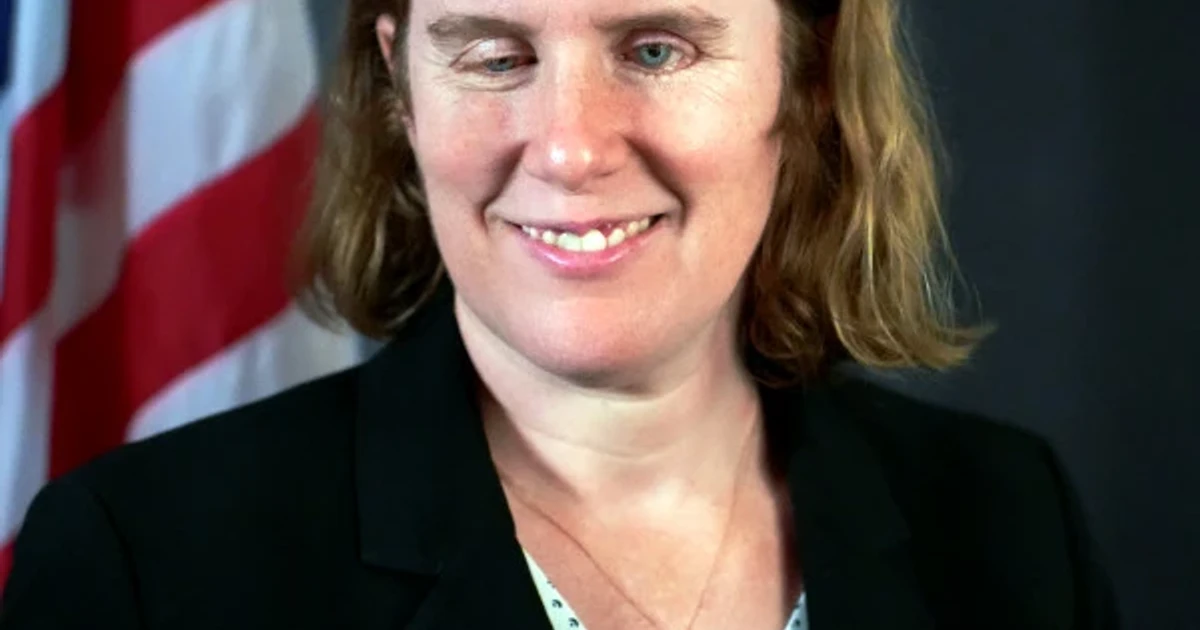
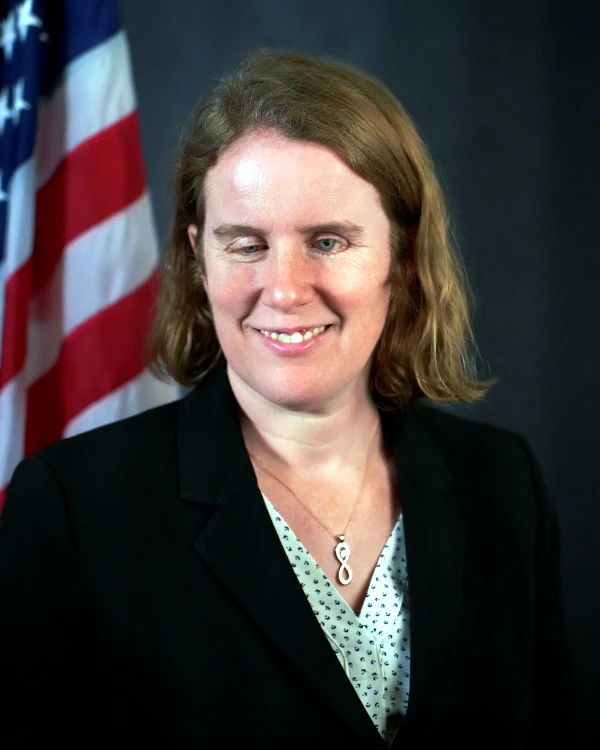
Blind since birth, Karla Gilbride moved into one of the federal government’s most consequential civil-rights jobs after the U.S. Senate confirmed her as EEOC general counsel on October 17, 2023, ending a stretch in which the post had been filled on an acting basis since March 2021.
A lawyer shaped by disability and enforcement
Before joining the EEOC, Gilbride worked with Public Justice’s Access to Justice Project, and after her EEOC tenure she became deputy director of Public Citizen’s Litigation Group. The general counsel at the EEOC helps steer how aggressively the agency pursues workplace discrimination cases, shaping whether anti-discrimination law reaches beyond paper protections.
Her confirmation drew immediate support from disability and women’s-rights groups. The National Partnership for Women & Families called her a strong advocate for workplace equity, and the National Federation of the Blind publicly celebrated the Senate vote. Disability-rights advocates have long argued that people with disabilities remain underrepresented in law, government, and the institutions that write the rules they must live under.
Her nomination moved slowly through the system. President Joe Biden nominated her in 2022, and she appeared before the Senate Committee on Health, Education, Labor and Pensions on September 13, 2022. In that testimony, she said, “I’m honored to be here today under consideration to serve as general counsel of the U.S. Equal Employment Opportunity Commission (EEOC).” She added, “I’m deeply grateful to President Biden for nominating me for this role.”
Where disability rights still break down
The law still fails at the point where access should feel ordinary. The Americans with Disabilities Act and related civil-rights rules promise equal opportunity, yet the practical barriers often show up in places that are easy to overlook: hiring portals, workplace software, inaccessible public-facing websites, and government processes built around sighted users as the default.
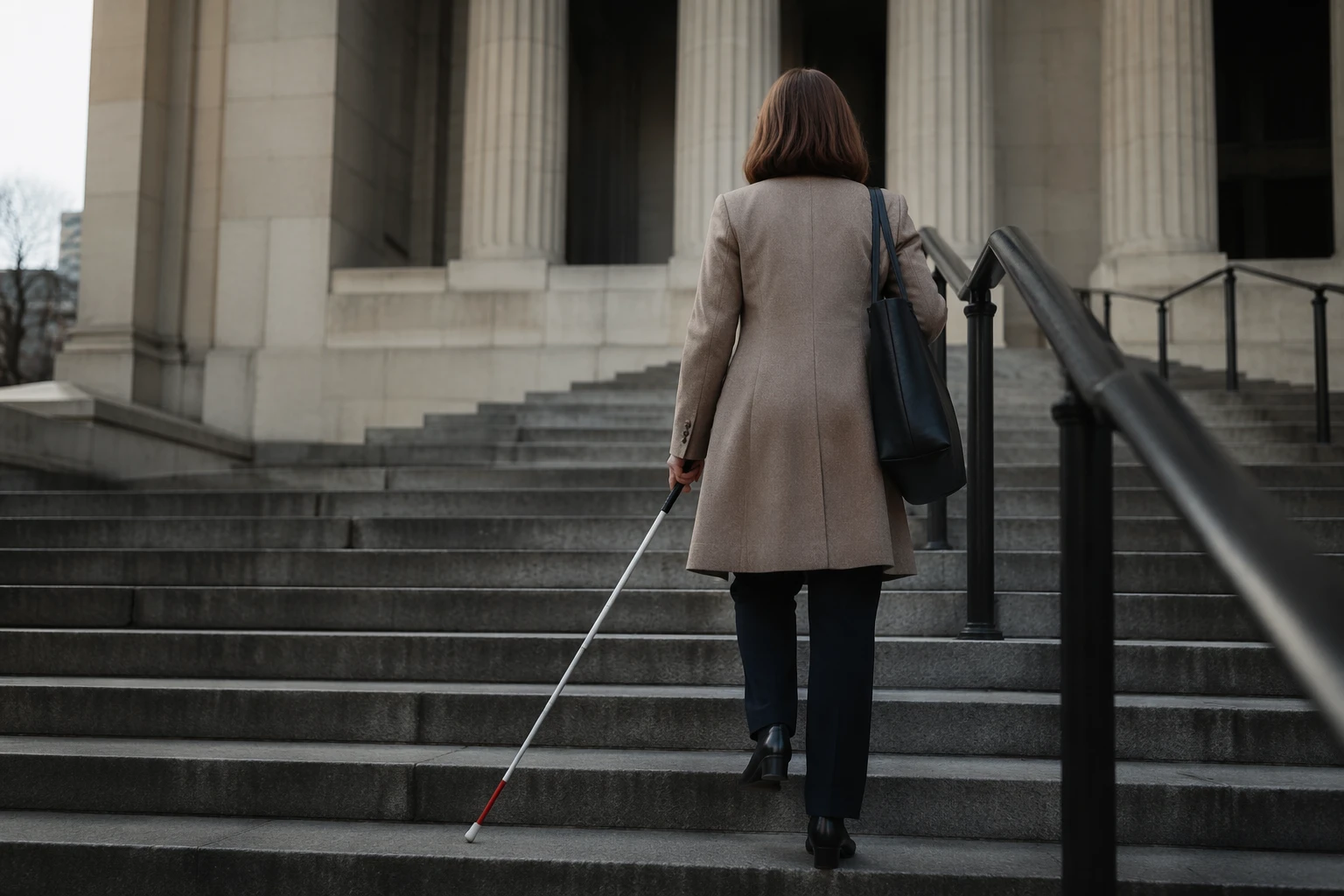
A blind lawyer can reach the top ranks of federal enforcement, but blind job seekers still face systems that require visual navigation to apply, interview, or complete onboarding. Disability groups have also kept pressing for website accessibility regulations under the ADA to move access from case-by-case disputes toward baseline standards for public and private services.
Disability barriers are often not dramatic acts of exclusion. They are small design failures repeated across systems: forms that screen readers cannot process, documents released only in image formats, meeting materials that arrive too late to be usable, and online services that assume every user can see and click through the same sequence. Those failures show up in workplaces, public services, and daily transactions, even when the underlying law already prohibits discrimination.
Why representation changes enforcement
Enforcement depends on people who understand how rights break down in practice. Gilbride became the first blind lawyer to argue before the Supreme Court.
The EEOC’s general counsel role is especially important in that context. The office had been on an acting basis until Gilbride’s confirmation, leaving a gap in the leadership that shapes workplace civil-rights enforcement. Confirming a permanent general counsel gives disability and employment issues a clearer advocate inside an agency that can influence litigation, settlements, and national standards.
Her support coalition spanned workers’-rights and disability groups. The National Partnership for Women & Families framed her as a worker’s-rights advocate. The National Federation of the Blind treated her appointment as a symbolic and practical victory for blind Americans.
The fixes that would make the biggest difference
Her work and the advocacy surrounding her confirmation point to three national fixes that would have the biggest real-world impact:
• Clear federal website accessibility rules under the ADA, so public services and hiring portals work for blind users without constant litigation.
• Stronger EEOC enforcement that treats inaccessible workplaces as civil-rights violations, not minor technical problems.
• A shift away from relying only on one-off reasonable accommodations and toward default accessibility in software, documents, and public systems.
Sources
- [1]cbsnews.com
- [2]nationalpartnership.org
- [3]cwc.org
- [4]eeoc.gov
- [5]help.senate.gov
- [6]publicjustice.net
- [7]nfb.org
- [8]aulawreview.org