Technology
Bloomsbury to share in Anthropic’s $1.5 billion copyright settlement
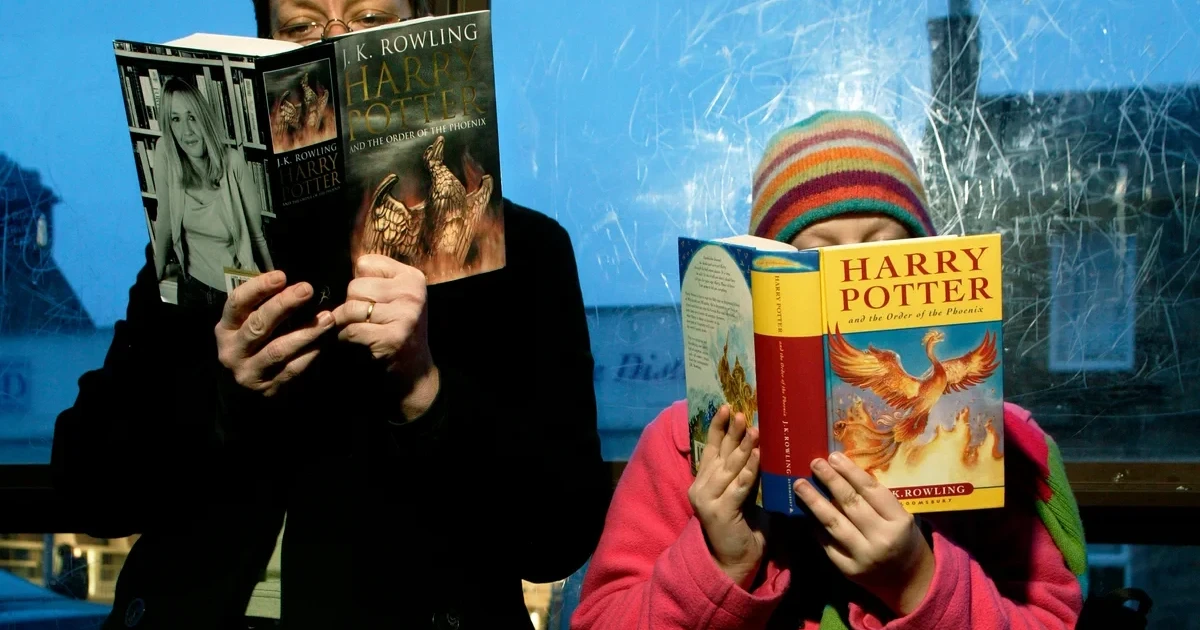
Bloomsbury Publishing was named among the beneficiaries of Anthropic’s $1.5 billion copyright settlement, a payout approved by a U.S. judge on July 20 and now being treated as a benchmark for AI companies that trained on books. The settlement is the largest known of its kind, and its scale gives publishers fresh leverage in a fight over who gets paid when copyrighted text is used to build generative AI systems.
The case centers on allegations that Anthropic used authors’ books to train its Claude model without permission. Reuters reported that the deal covers about 500,000 books, which works out to roughly $3,000 per work, with additional payments possible if more pirated materials are identified in the training data. The London-based Bloomsbury said 14,087 of its titles are covered, showing how deeply a single publisher’s backlist can run through a licensing dispute of this size.
Thousands of authors were seeking a share of the settlement in filings reported in April, underscoring how broad the claimant pool has become. That matters for U.S. writers and estates because the payout is not limited to one marquee name or one bestselling title. It reaches a wide band of literary property, including books that may have sold steadily for years but never generated the kind of headline revenue that now appears possible in the AI market.
The judge’s approval also came with another signal: the court rejected what it called a “windfall” for lawyers in the landmark case. That suggests the money is likely to be scrutinized not just for size, but for how it reaches authors, publishers and other rights holders. For publishing houses, especially those with deep catalogs, the settlement strengthens a basic argument that backlist titles are not dormant assets once they are pulled into machine learning pipelines.
The broader pressure now sits on AI developers. If Anthropic’s deal becomes a template, future model builders may need explicit licensing systems for copyrighted books, adding cost to training but lowering the risk of lawsuits that can now carry a nine-figure price tag. For Bloomsbury and other beneficiaries, the settlement is both compensation and bargaining power, and it could shape how U.S. media companies, authors and tech firms negotiate over the value of text in the next round of AI licensing deals.
Sources
- [1]reuters.com
- [2]thenextweb.com