US News
Blue Origin Rocket Explodes During Florida Test
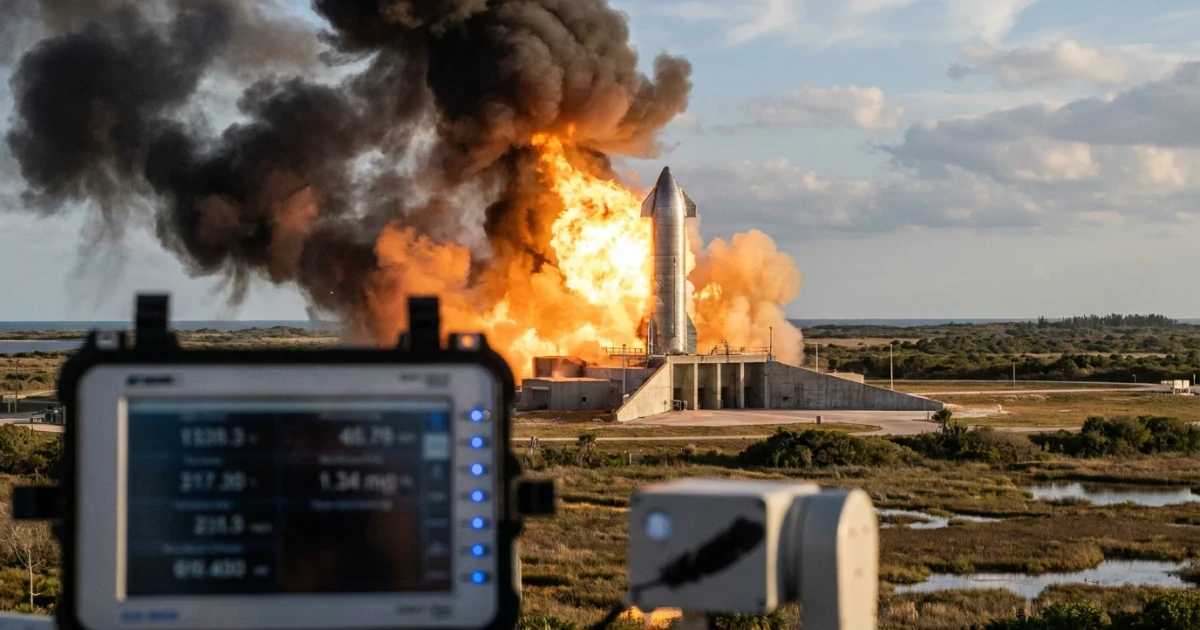
Blue Origin suffered a significant setback on Wednesday when one of its rockets exploded on a Florida launchpad during an engine-firing test, as reported by The New York Times. The incident, which occurred at the company’s test site, sent shockwaves through the commercial spaceflight community and prompted immediate scrutiny of Blue Origin’s safety protocols and technical procedures.
Details of the Incident
According to The New York Times, the explosion happened while engineers were conducting a routine engine-firing test. No injuries were reported, but the test vehicle was destroyed in the blast. The exact cause of the explosion is still under investigation, and Blue Origin has not yet released a technical analysis. The event underscores the risks inherent in rocket development and highlights the importance of rigorous safety standards during ground testing.
Test Programs and Safety Measures
Blue Origin, founded by Jeff Bezos, has been involved in a variety of engine and vehicle test programs at its Florida facilities. The company’s technology overview details extensive protocols for engine testing and launch readiness, emphasizing redundancy and remote monitoring. The recent explosion will likely lead to a comprehensive review of these procedures and potential updates to risk mitigation strategies.
- Engine-firing tests are a standard part of certifying new rocket designs before flight.
- Incidents like Wednesday’s are recorded in the NASA Launch Vehicle Failure Database, which tracks causes, outcomes, and corrective actions taken after launchpad failures.
- Blue Origin’s Florida test site operates under a federal launch license with strict safety and reporting requirements.
Context in the Commercial Space Race
The incident comes as the private space industry faces growing competition and pressure to deliver reliable launch systems. Blue Origin’s Florida site is one of several U.S. locations regularly used by commercial providers for engine and integrated system tests. According to the Federal Aviation Administration’s commercial space data, engine test failures are rare but not unprecedented, with most providers experiencing at least one significant anomaly during development.
Historically, launchpad incidents have been catalysts for improvement across the industry. The NASA Launch Vehicle Failures Report notes that such events often lead to enhanced engineering controls and more robust operational procedures.
What Comes Next for Blue Origin
While the explosion represents a setback for Blue Origin’s Florida operations, it is not expected to halt the company’s overall progress. Industry observers anticipate that Blue Origin will conduct a thorough investigation, share findings with regulators, and implement any recommended changes before resuming engine-firing tests. The company’s commitment to transparency and safety will be closely watched by both federal agencies and the broader commercial space community.
As Blue Origin works to recover from this incident, the event serves as a reminder of the challenges faced in advancing rocket technology. Interested readers can review recent launch statistics and incidents for greater context on the frequency and outcomes of test failures in the modern spaceflight era.
Further updates are expected as Blue Origin releases more information about the cause of the explosion and its plans for future testing in Florida.