Business
B&M fined £2 million after Birmingham stores fail food hygiene checks

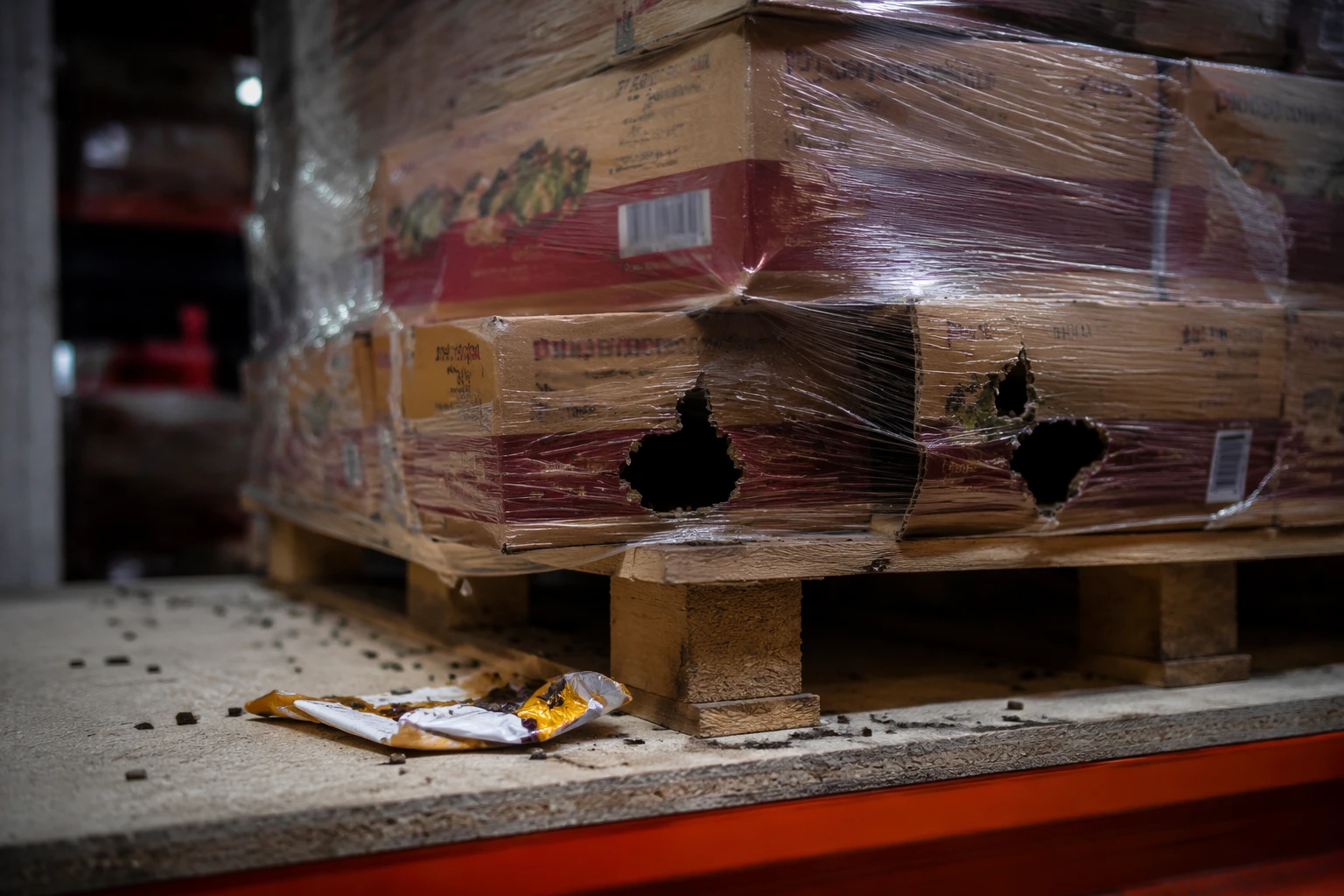
B&M was fined £2 million after Birmingham City Council linked serious food hygiene failings at three Birmingham stores to evidence of mice activity, including droppings and gnawed food packaging. The council said the penalty followed its prosecution over repeated breaches that exposed a gap between a national discount chain’s low-price promise and basic food safety standards.
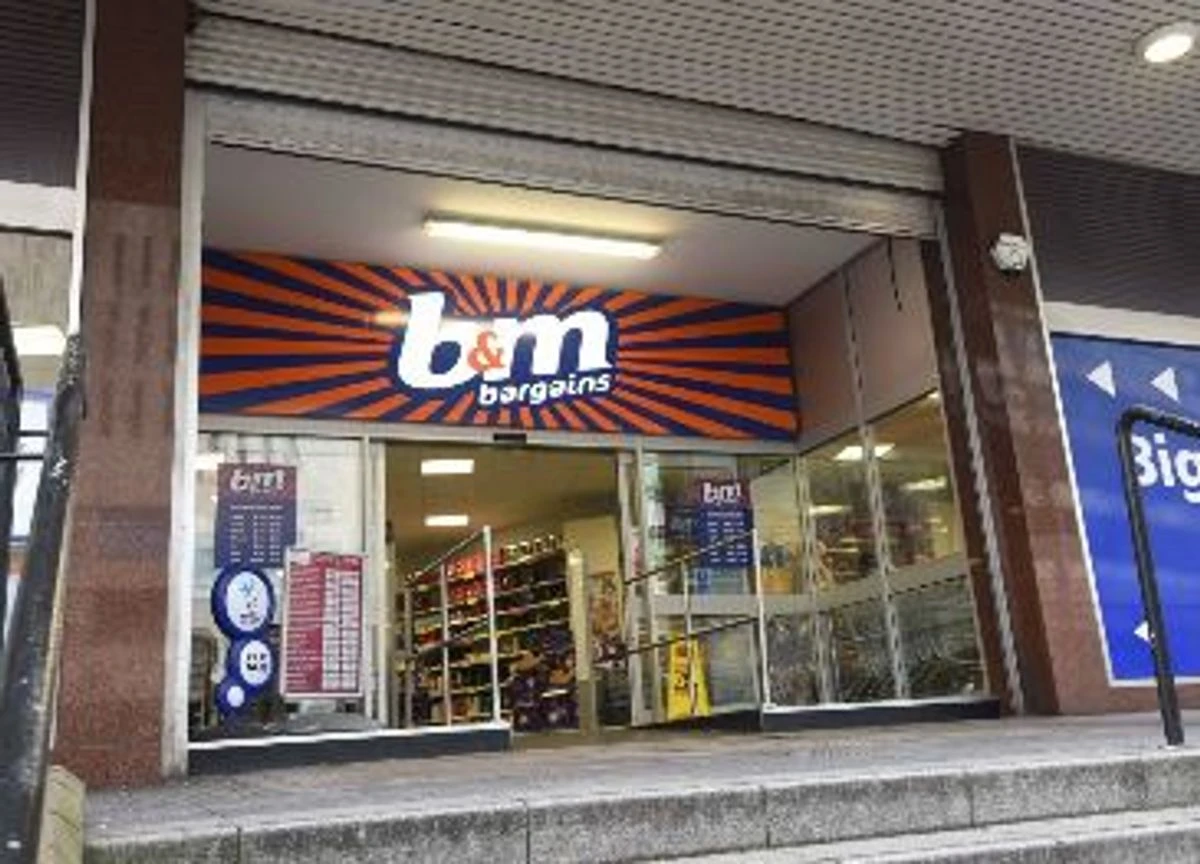
The case lands in a city where rodent-related food enforcement has become a recurring theme. B&M had already been fined £150,000 over mouse droppings at a store in Birmingham city centre, and a prominent B&M outlet at St Andrew's Shopping Park was described by a magistrate as “hideous” and a “disgrace” in a separate case. Birmingham City Council has said mouse infestations can spread human pathogens, a risk that turns hygiene lapses into more than a housekeeping problem.
Other prosecutions show the issue is not limited to one retailer. JK Foods 24-7 Ltd and its director, Jamil Zamankhail, each pleaded guilty to six charges under the Food Safety and Hygiene (England) Regulations 2013 at a hearing on Thursday, July 2. In another Birmingham shop case, a business and its director pleaded guilty to multiple food safety breaches after two mice infestations just weeks apart.
The wider record suggests inspectors have repeatedly found the same warning signs across the city, from dead mice and mouse droppings to gnawed packaging. Birmingham courts have described some of those premises in blunt terms, and the language has been unusually severe for cases that begin with food hygiene inspections and end with criminal penalties.
The size of the B&M fine also places it among Birmingham’s largest food-safety penalties. Tesco Stores Ltd was fined £7.56 million in Birmingham for selling out-of-date food at three stores, underscoring how often major chains are now facing serious sanctions rather than routine warnings.

For regulators, the remaining question is not whether courts can impose large fines, but whether those penalties reach the store level fast enough to stop repeat failures. In Birmingham, the pattern of inspections, prosecutions and escalating sanctions suggests that enforcement is active, but the persistence of rodent cases shows the accountability gap is still open.
Sources
- [1]bbc.co.uk
- [2]birmingham.gov.uk
- [3]birminghammail.co.uk
- [4]birminghamworld.uk
- [5]bbc.com
- [6]walesonline.co.uk