US News
Body camera footage appears to show ICE agents using racist slurs in Los Angeles
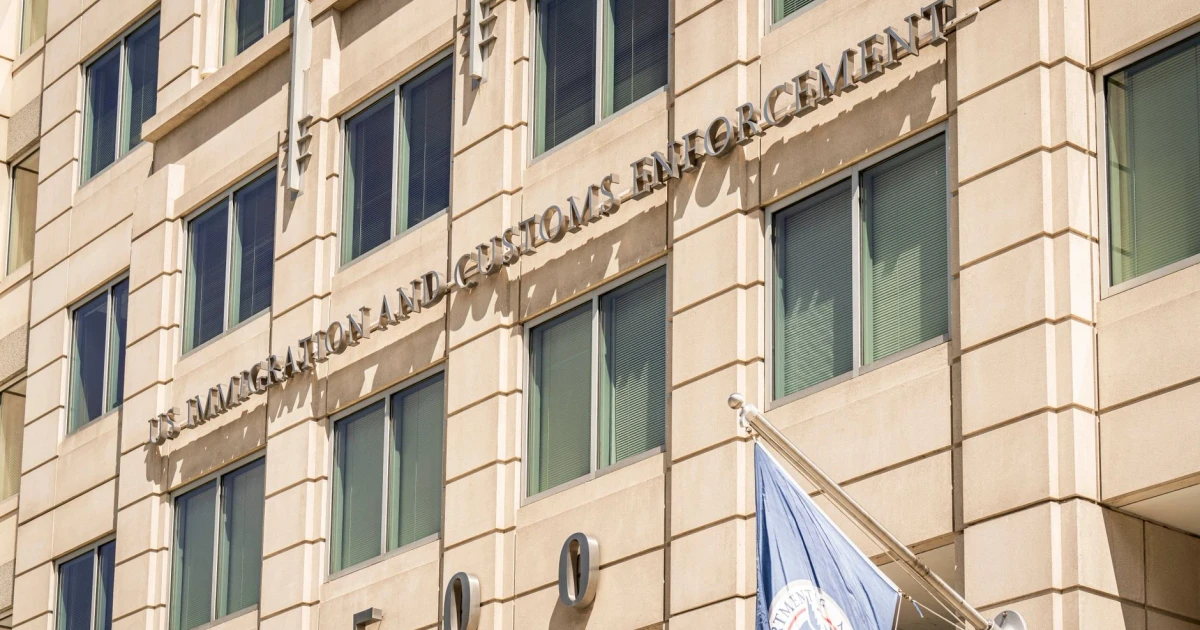
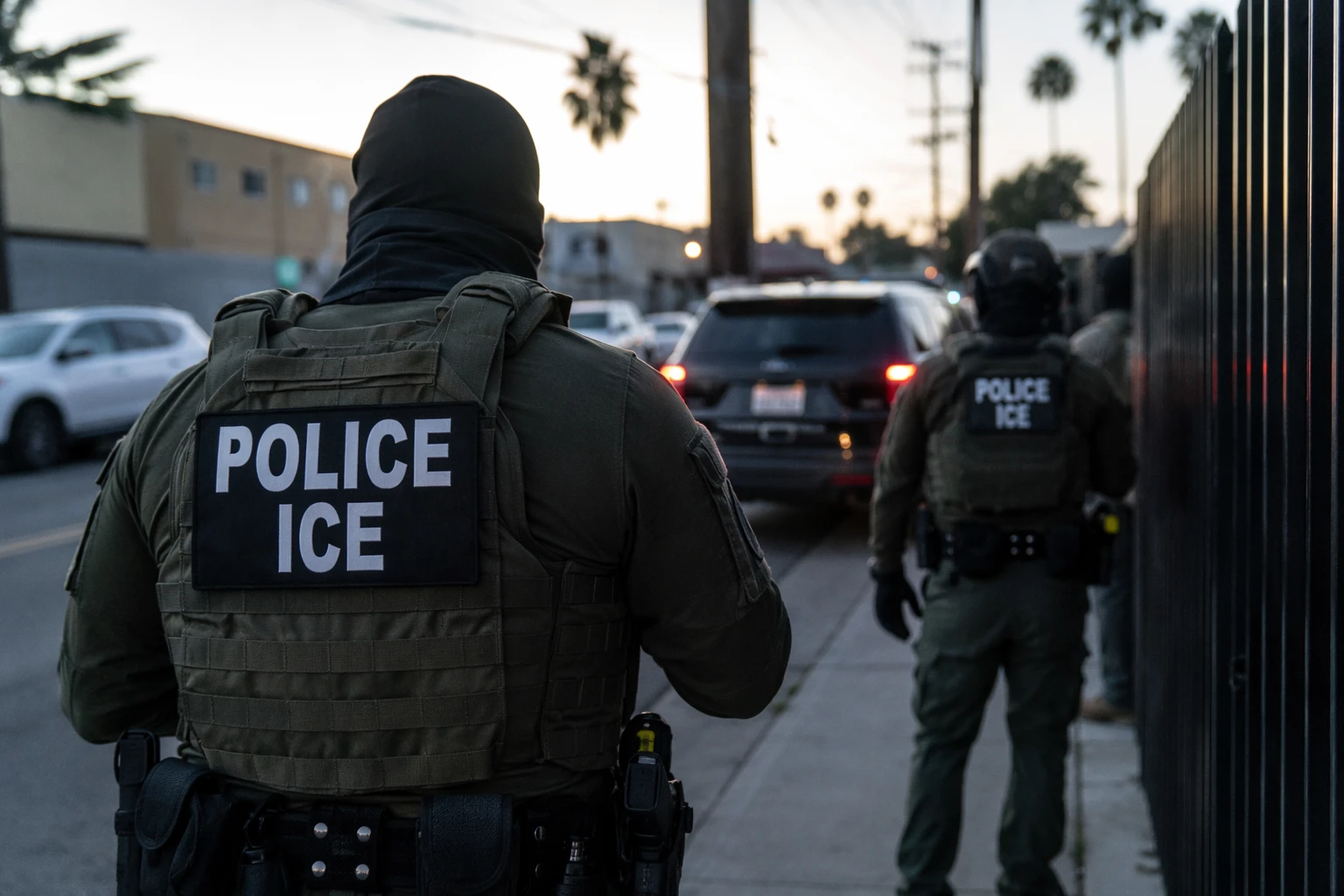
Body camera footage and text messages filed by the American Civil Liberties Union appear to show federal immigration agents in Los Angeles using racial slurs for Latinos during last summer’s enforcement operations. The material includes the terms “tonk” and “wet,” and places the conduct inside a broader fight over how Immigration and Customs Enforcement and other federal agents were carrying out sweeps in Southern California.
The allegations were raised in a motion in a case seeking to block warrantless stops and racial profiling during the Los Angeles raids. Video described in the filings shows agents arresting people who may have been Latino or immigrants while using derogatory language, turning the dispute from a complaint about tactics into a question of bias in day-to-day enforcement.
One term, “tonk,” refers to the sound made when a heavy flashlight or baton strikes someone’s head. That detail gives the footage added weight, because it links the language in the texts to a wider record of aggressive field conduct and to concerns that the treatment of Latino residents was shaped by more than neutral policing decisions.

The legal pressure around the raids had already widened before these filings surfaced. The City of Los Angeles filed a lawsuit tied to the enforcement tactics, a federal judge ordered a halt to “roving” immigration raids in Los Angeles in 2025, and the Trump administration later appealed the ban. The Supreme Court then lifted restrictions on aggressive immigration enforcement tactics in California.
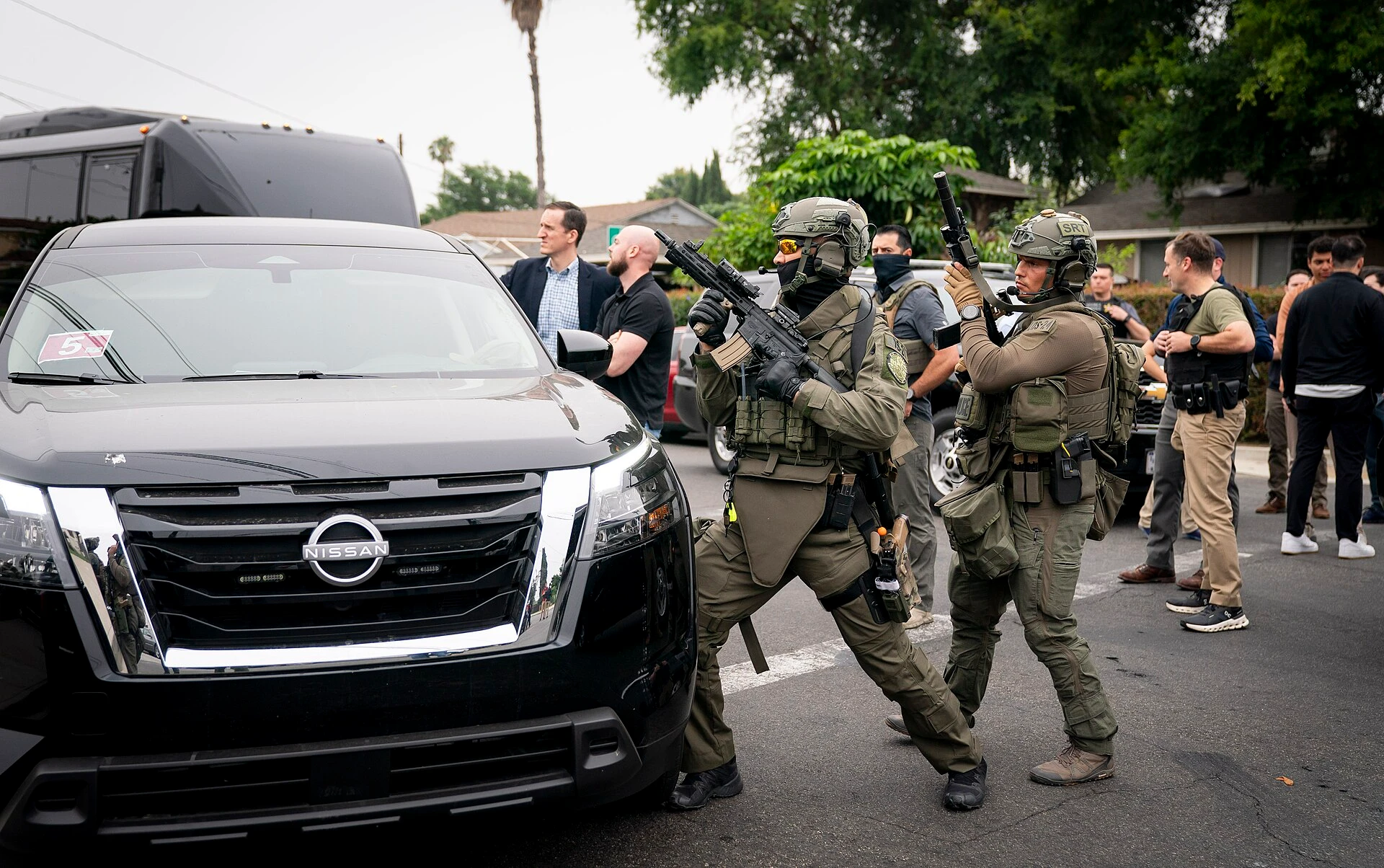
The records now raise questions about what supervisors and ICE leadership knew as the language was used in the field, and whether it reflected a broader enforcement culture rather than isolated misconduct. The unrest that followed also pushed the issue far beyond the courtroom: hundreds of California National Guard troops converged on Los Angeles after immigration protests turned violent, underscoring how quickly enforcement tactics aimed at Latino communities became a larger civil-rights and public-safety flashpoint.
Sources
- [1]abcnews.com
- [2]notus.org
- [3]calmatters.org
- [4]nbclosangeles.com
- [5]latimes.com
- [6]theguardian.com
- [7]ocregister.com