Business
Boeing edges Airbus in subdued Farnborough order race
Boeing finished slightly ahead of Airbus at the Farnborough International Airshow in England, with 173 orders to Airbus’s 154 jets, while SMBC Aviation Capital split a 200-jet single-aisle deal evenly between the two planemakers. The narrow margin captured a quieter-than-usual show, where the order board looked more restrained than the big deal surges that once defined Farnborough.
The subdued tone reflected a market that still wants aircraft, but is increasingly boxed in by production ceilings, years-long backlogs and delivery slots that matter as much as sticker-price discounts. Airlines need fuel-efficient jets to renew aging fleets and add long-haul capacity, yet many buyers are waiting for earlier handover dates rather than chasing the biggest headline commitment. That makes the Farnborough tally a better read on how carriers and lessors are thinking about the next aircraft cycle than a simple Boeing-versus-Airbus scoreboard.
For Boeing, the order count carried symbolic weight because the company went into the show focused on production rather than chasing fresh business. On July 19, Boeing was studying possible increases in 737 MAX output, a reminder that factory rates remain central to the company’s strategy as it tries to rebuild momentum after years of operational and reputational strain. Airbus, meanwhile, remained close enough to keep pressure on its U.S. rival even in a market where supply constraints shape almost every big purchase decision.
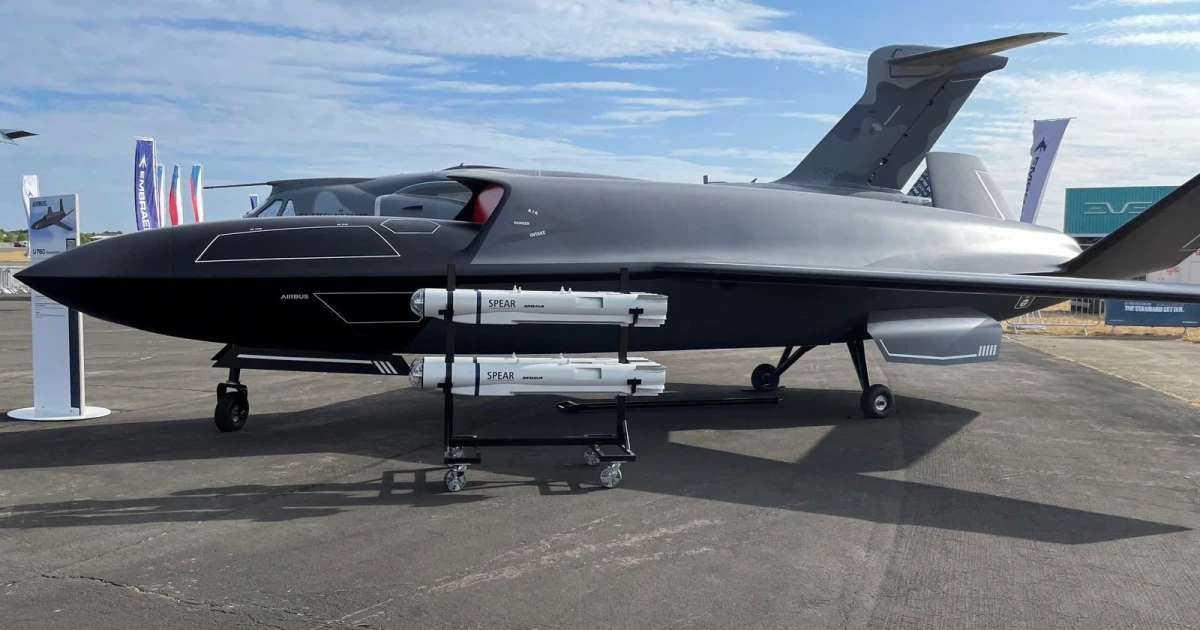
The air show also reflected a broader shift in aerospace demand. Farnborough opened with Boeing and Airbus securing the first aircraft orders, while defense companies unveiled lower-cost interceptor missiles and drones as wars in Ukraine and the Middle East kept military spending in focus. That mix of commercial restraint and defense activity suggested the industry is still active, but the strongest bids are increasingly tied to production discipline and national security rather than the kind of exuberant airline expansion that once drove the show.
By the time FlightGlobal tallied firm commercial aircraft orders at 342 after three days of the event, Farnborough had still produced a sizeable amount of business. Even so, the race was defined less by a blockbuster breakaway than by steady demand, with Boeing’s slight edge pointing as much to cautious deal timing as to any clear shift in buyer confidence.