Business
Boeing posts bigger-than-expected loss as Air Force One costs rise
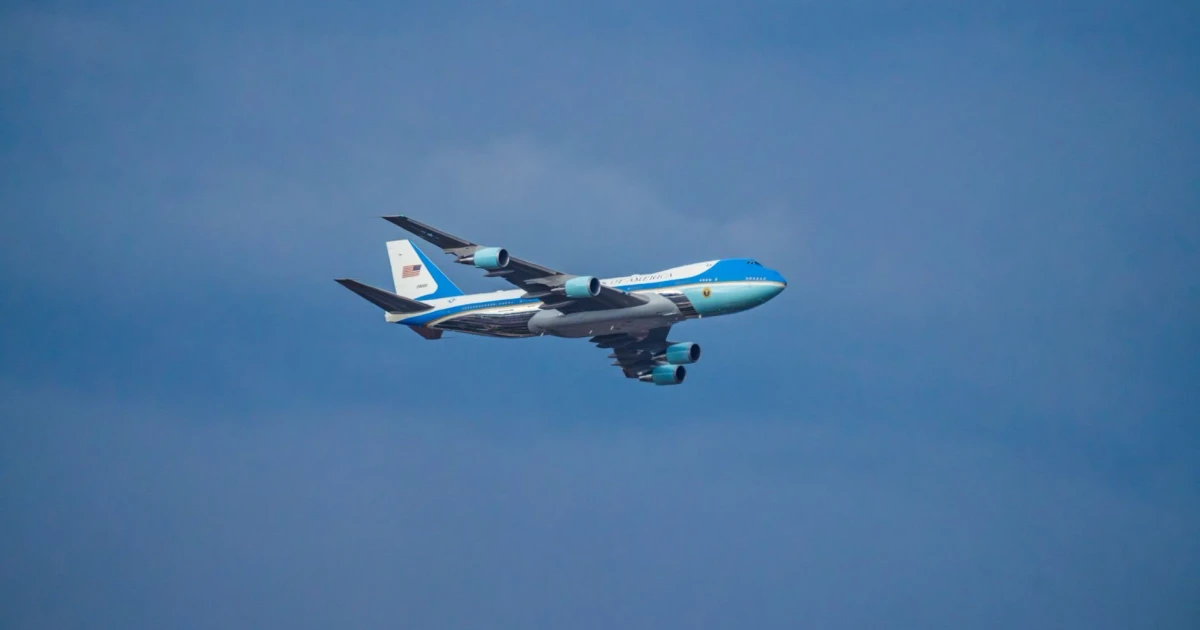
Boeing posted a larger-than-expected second-quarter loss after taking a $280 million charge on the Air Force One replacement program, putting fresh pressure on a company still trying to prove it can control costs. Shares rose after the results, but the overrun on one of Boeing’s most visible government contracts again raised questions about execution.
The Air Force One program has become a test of Boeing’s operational discipline because it sits at the intersection of politics, defense procurement and public scrutiny. Boeing pushed back delivery of two presidential planes by four years, and the delay, along with related expenses, added to the quarter’s losses. For investors and lawmakers alike, the issue is no longer just one troubled project but whether Boeing can manage complex programs without letting costs spill deeper into earnings.
The company’s broader second-quarter results showed a business that is improving in some places but still far from stable. Boeing said 737 production reached 38 per month in the quarter, revenue rose to $22.7 billion, and the company posted a GAAP loss of $0.92 per share and a core loss of $1.24 per share. Operating cash flow came in at $0.2 billion, while free cash flow was negative $0.2 billion.
Boeing’s backlog climbed to $619 billion, including more than 5,900 commercial airplanes, underscoring the scale of its demand even as margins remained under strain. That backlog gives Boeing years of work, but it also means the company has to execute at scale across both commercial aviation and defense programs if it wants to turn that pipeline into reliable profits.
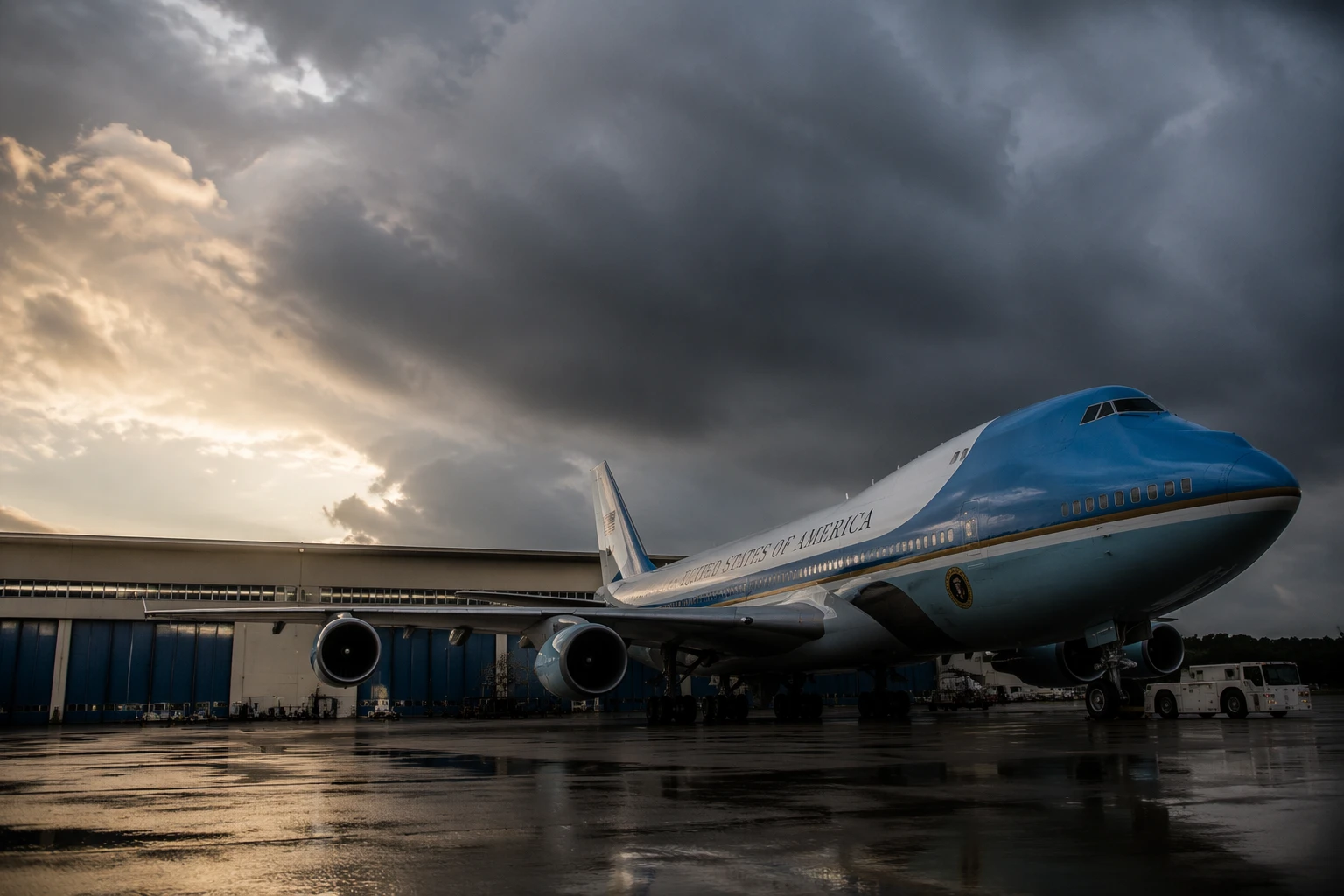
The Air Force One overrun is especially damaging because it lands in a business where schedule slips and cost growth can quickly ripple through government planning and investor confidence. Boeing has spent years dealing with production disruptions, quality concerns and uneven cash generation, and the latest quarter showed those pressures have not disappeared. Higher output and stronger revenue did not prevent another loss, which is why the new charge matters beyond one contract.
For Boeing, the challenge now is not only to recover financially but to convince customers, regulators and shareholders that its management can keep high-profile programs under control. The $280 million Air Force One charge made clear that the company’s government-program problems remain a live part of its turnaround story.
Sources
- [1]reuters.com
- [2]aol.com
- [3]s2.q4cdn.com
- [4]nytimes.com
- [5]wsj.com