Business
Boeing says delayed Air Force One jets remain on track for 2028
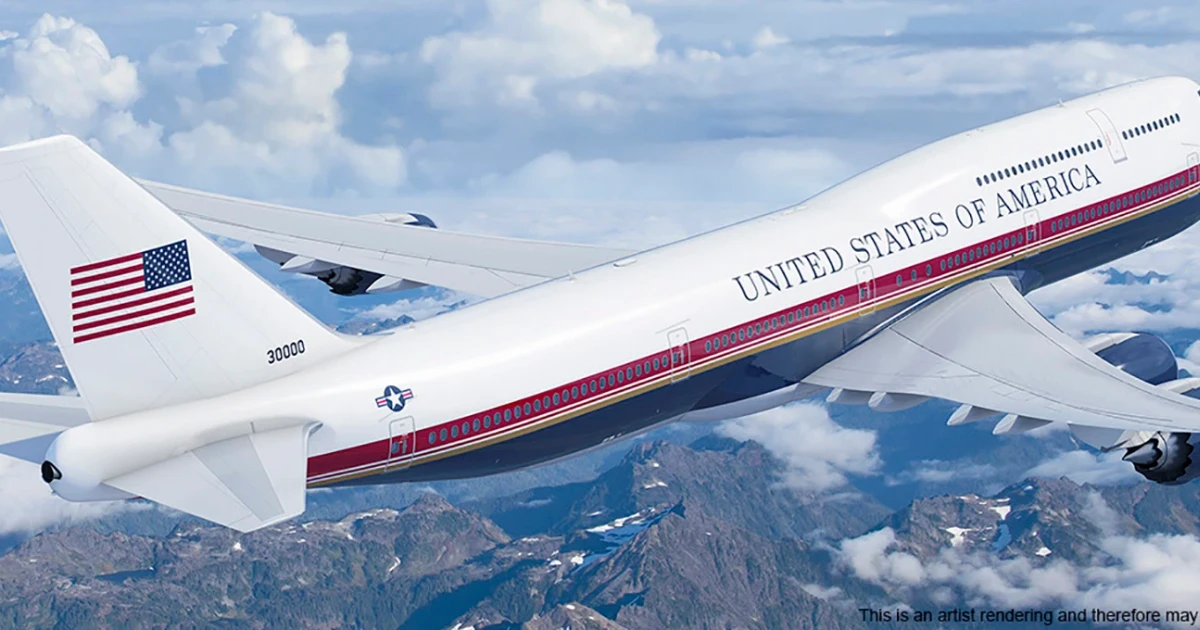
Boeing said the long-delayed Air Force One replacement program remained on track to deliver two new presidential jets in 2028, even as the cost of the work climbed further above the original contract. The two aircraft are now expected to cost more than $5 billion to build, a steep increase from the $3.9 billion price tag set when the Air Force formalized the deal in 2018.
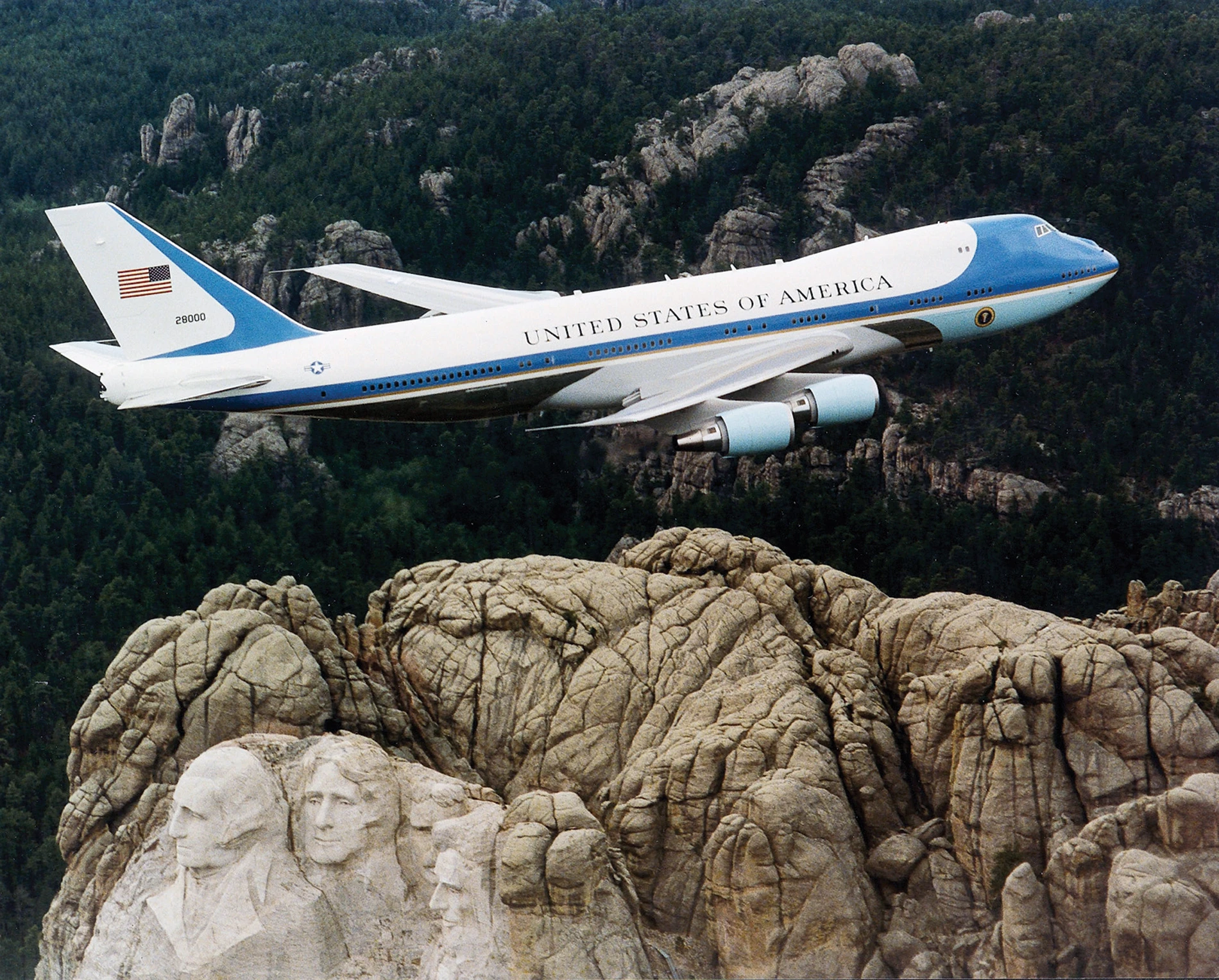
The program, officially known as VC-25B, is meant to replace the current VC-25A fleet, which has been in service since 1990. Air Force acquisition documents say those aircraft face capability gaps, rising maintenance costs and parts obsolescence, making the case for replacement even as Boeing works through redesigns, delays and technical changes on the 747-8-based platform.
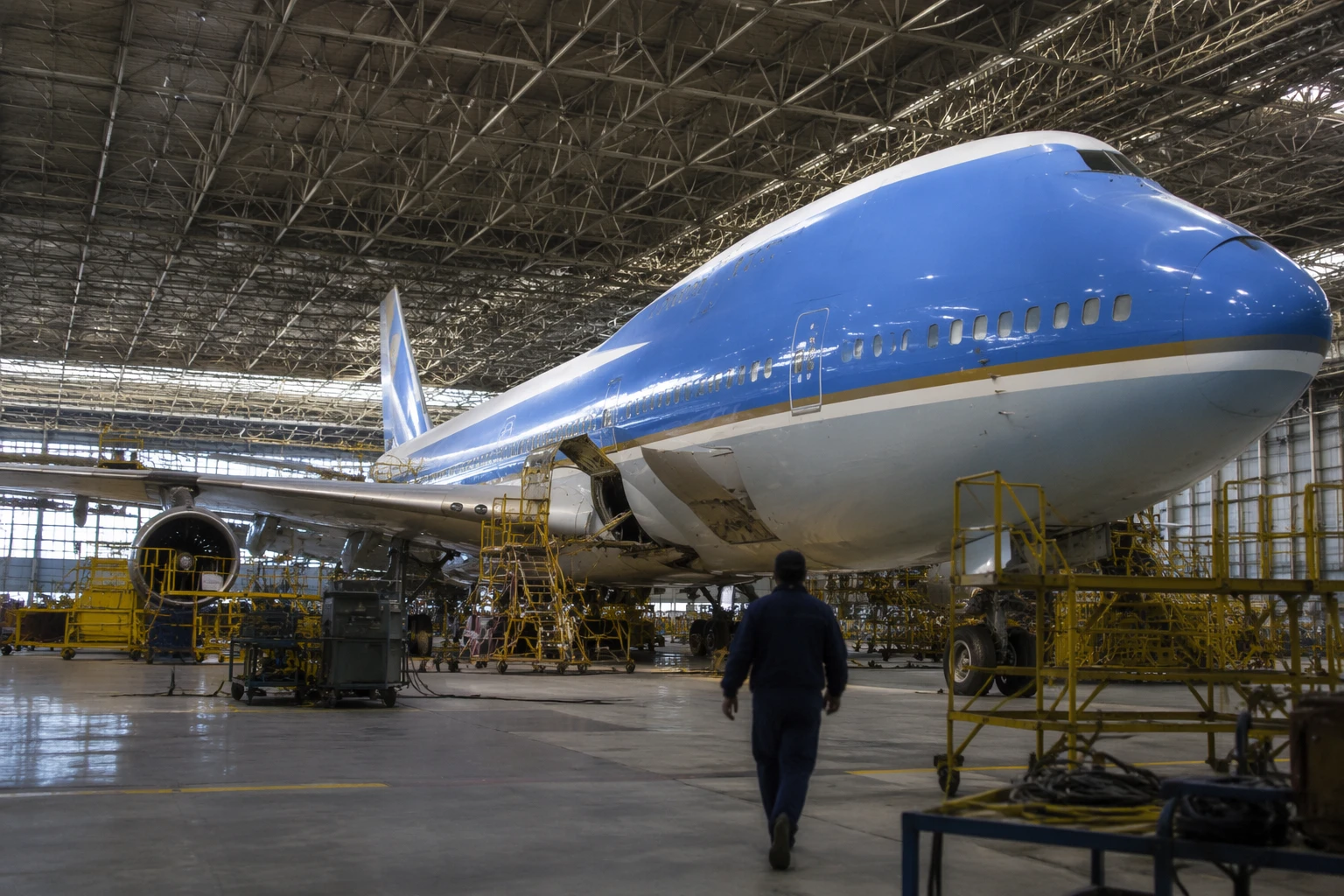
The latest timeline marks a recovery from earlier uncertainty. Air & Space Forces said the Air Force now expects the first VC-25B delivery by mid-2028, months ahead of its last official projection, and the service has also acquired two extra Boeing 747-8s for parts and training support. Earlier in 2025, Boeing’s Air Force One program was seen as vulnerable to a delay until 2029 or later, underscoring how often the schedule has slipped before this latest target.
The project has become one of the most politically visible defense contracts in the United States because it combines presidential security, taxpayer spending and Boeing’s execution risk in one program. The White House and Pentagon need a future presidential fleet they can plan around, but every added month and every added dollar increases pressure on Congress to scrutinize the deal. Boeing’s challenge is not just to finish the aircraft, but to prove it can manage a highly customized military platform without the overruns that have shadowed the program for years.
The original contract price was presented as a savings move. On July 19, 2018, the Air Force said the $3.9 billion deal for two completed aircraft would save taxpayers more than $1.4 billion versus earlier estimates. Seven years later, the program has become a test of Boeing’s wider credibility as it tries to restore confidence in defense and aerospace execution. Even if the 2028 delivery target holds, the final bill keeps rising.
Sources
- [1]reuters.com
- [2]airandspaceforces.com
- [3]af.mil
- [4]esd.whs.mil