World
Bolivia and US sign anti-drug deal after years of strained ties
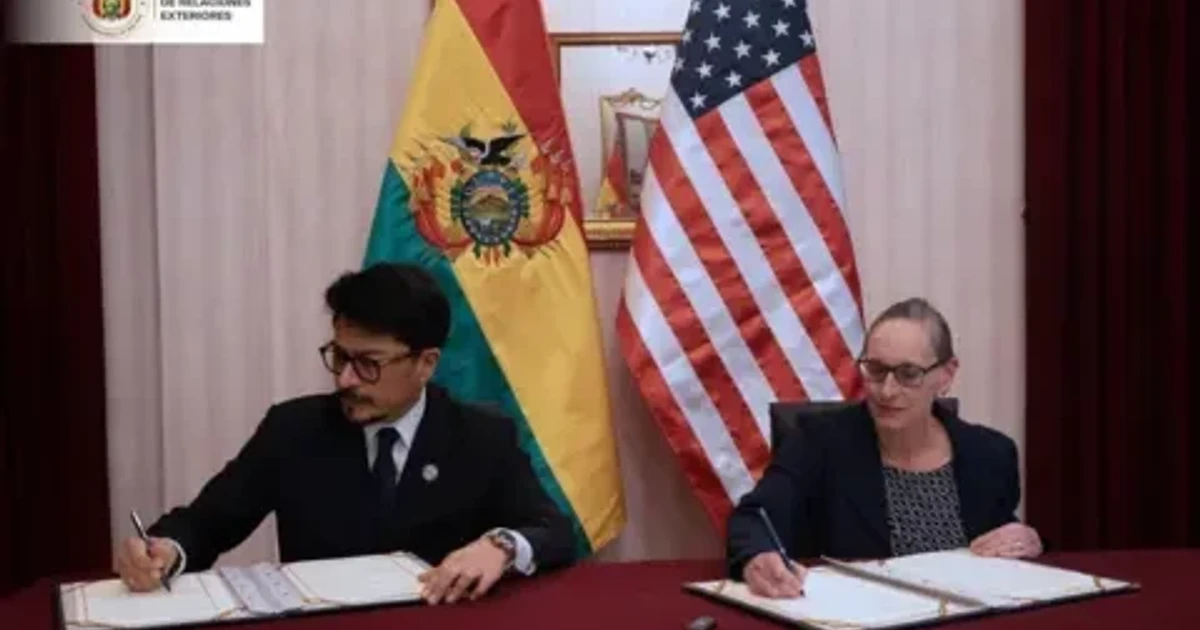
Bolivia and the United States have reopened an anti-drug channel that had been shut for nearly two decades, putting a modest but symbolically important security deal at the center of a wider political reset. The agreement, signed in La Paz by Foreign Minister Fernando Aramayo and U.S. chargé d’affaires Debra Hevia, commits Washington to provide up to $20 million for training, equipment and technical cooperation with Bolivian institutions.
The package is aimed at public security, criminal investigations and transnational organised crime, with U.S. officials also saying it will support efforts to investigate and dismantle drug-trafficking networks, pursue financial crimes and improve transparency in Bolivia’s police and judicial system. For President Rodrigo Paz, the deal is an early test of whether his government can turn a thaw in relations into practical cooperation against a drug economy that has outgrown the state’s enforcement capacity.
The significance reaches beyond the signing ceremony. Bolivia resumed operational cooperation with the U.S. Drug Enforcement Administration in February 2026 after a 17-year break, a sharp reversal from the rupture that began when then-president Evo Morales expelled the DEA in 2008. The new accord also comes as both countries have moved to restore ambassador-level ties, underscoring how quickly the diplomatic tone has changed under Paz.
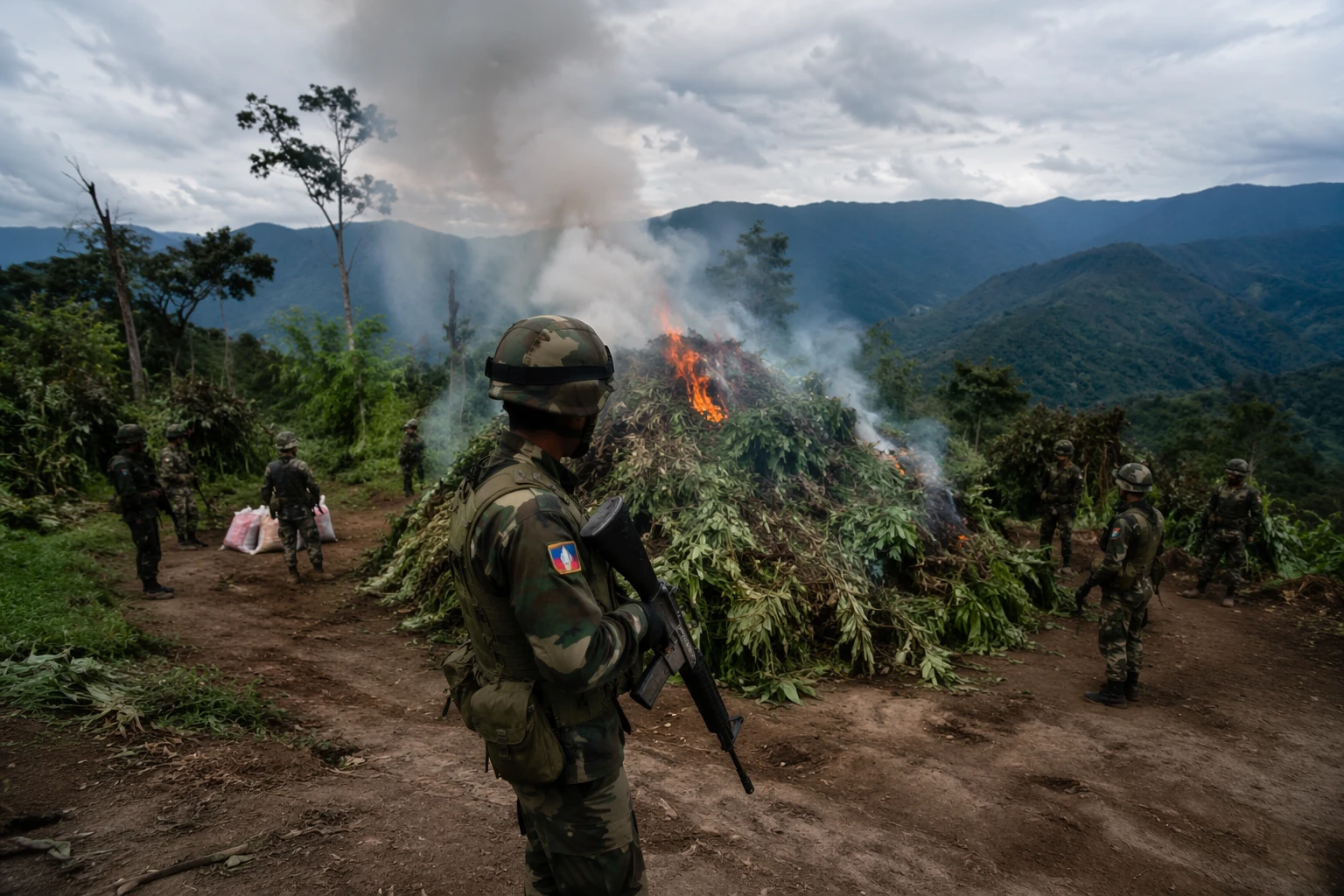
But the central question is what $20 million can realistically change. Bolivia is widely described as the world’s third-largest producer of coca, and pressure on its anti-drug institutions has been building for years. In December 2025, Bolivian officials said coca cultivation had reached 34,000 hectares and could rise to 40,000 hectares, a level they said could produce about 220 metric tonnes of cocaine a year.
That scale helps explain why the agreement is being treated as more than a routine cooperation pact. The United Nations Office on Drugs and Crime said in its 2024 coca monitoring report that Bolivia remained a major coca-producing country, with coca leaf production and seizures still significant. Against that backdrop, the new funding may help improve investigations, forensic work and institutional credibility, but it will not by itself solve the deeper problems of overproduction, trafficking routes and corruption risks that have long strained Bolivia’s security apparatus.

For now, the deal marks a clear shift in direction: a government in La Paz trying to rebuild a pragmatic relationship with Washington while signaling that the fight against organised crime will be part of the new foreign policy.