World
Bolivia declares emergency as protests and blockades choke economy
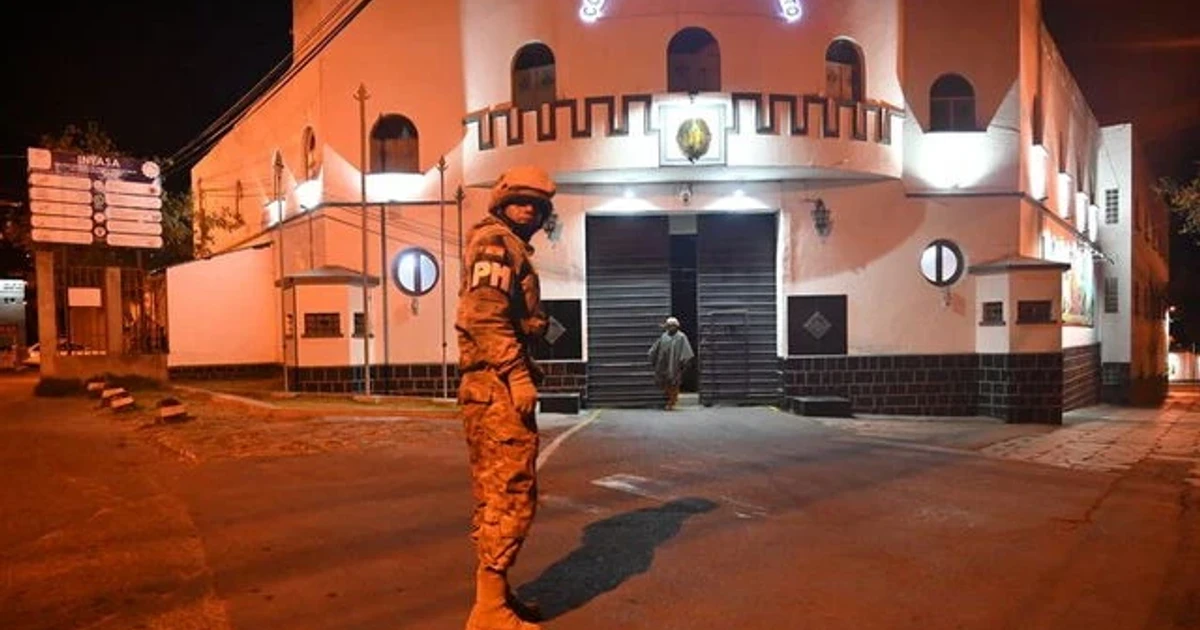
Rodrigo Paz’s nationwide state of emergency turned Bolivia’s blockade crisis into a direct test of constitutional power, giving the government broader authority to send armed forces to clear roads and restore the flow of goods. The decree came as protests and blockades had paralyzed the economy for about 50 days, leaving trucks stranded and cutting off supplies of food, fuel and medicine in places including La Paz.
The move also put Paz on a fast-moving legal clock. Under Bolivia’s rules, he had to notify Congress within 24 hours, and lawmakers then had up to 72 hours to approve or reject the measure. That deadline made the declaration more than an emergency response: it became a measure of how far the political crisis had pushed the state toward extraordinary powers and civil-military tension.
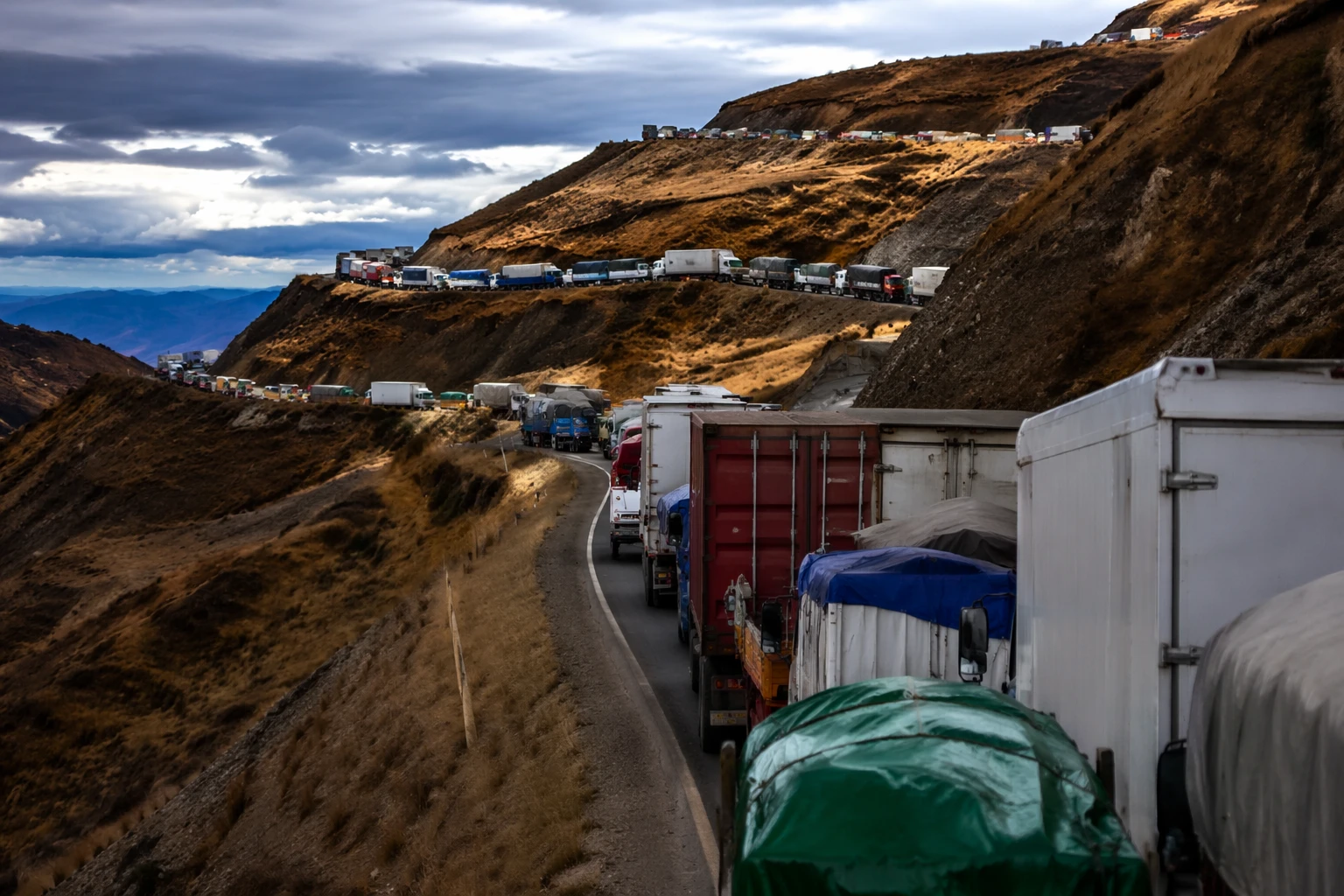
The unrest has been driven in part by protest groups allied with former president Evo Morales, and the road closures have spread well beyond symbolic demonstrations. More than 100 roads were blocked across seven departments, and the wider campaign has been tied to at least nine deaths, underscoring the human cost of a standoff that has disrupted daily life far from the centers of power.
The crisis began after Paz cut long-standing fuel subsidies in an effort to shrink the budget deficit amid a worsening dollar shortage and talks with the International Monetary Fund. Even after he moved to stabilize fuel prices and reverse unpopular land reforms, the protests broadened into wider dissatisfaction, with unions demanding wage increases, an end to shortages and, in some cases, Paz’s resignation.
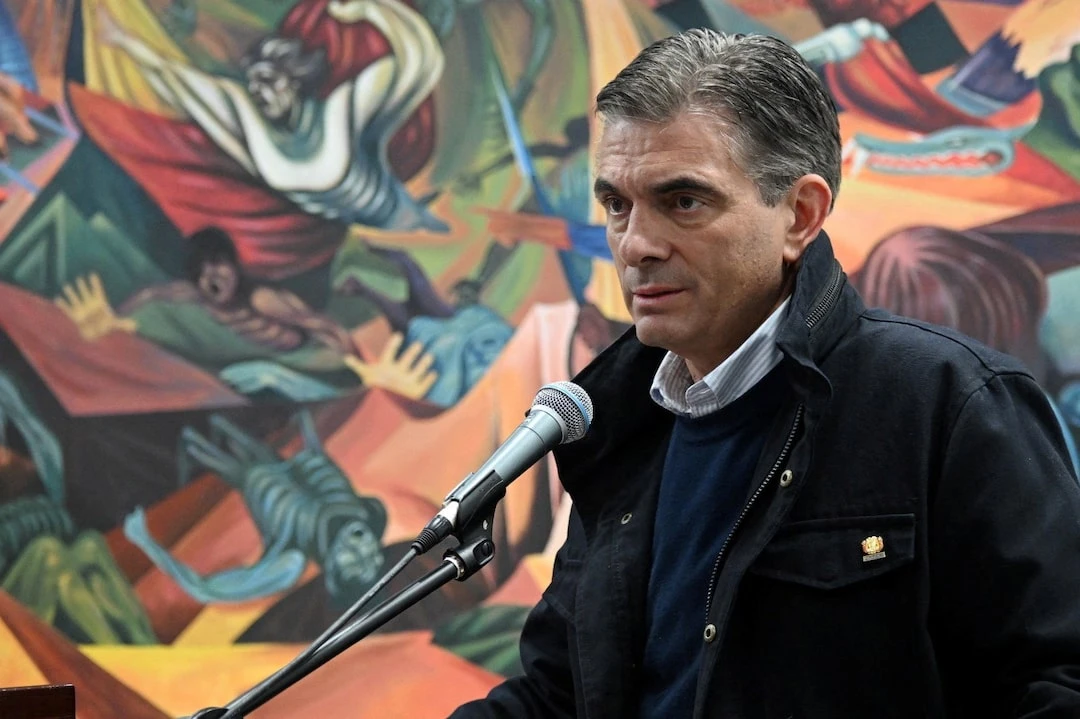
Just a day before the emergency declaration, Paz reached a deal with the Bolivian Workers’ Confederation, a step that had been presented as part of an effort to ease the conflict after weeks of paralysis. But the emergency announcement, delivered in a live message to the nation, showed how quickly the situation had escalated from labor negotiations into a national stability crisis.
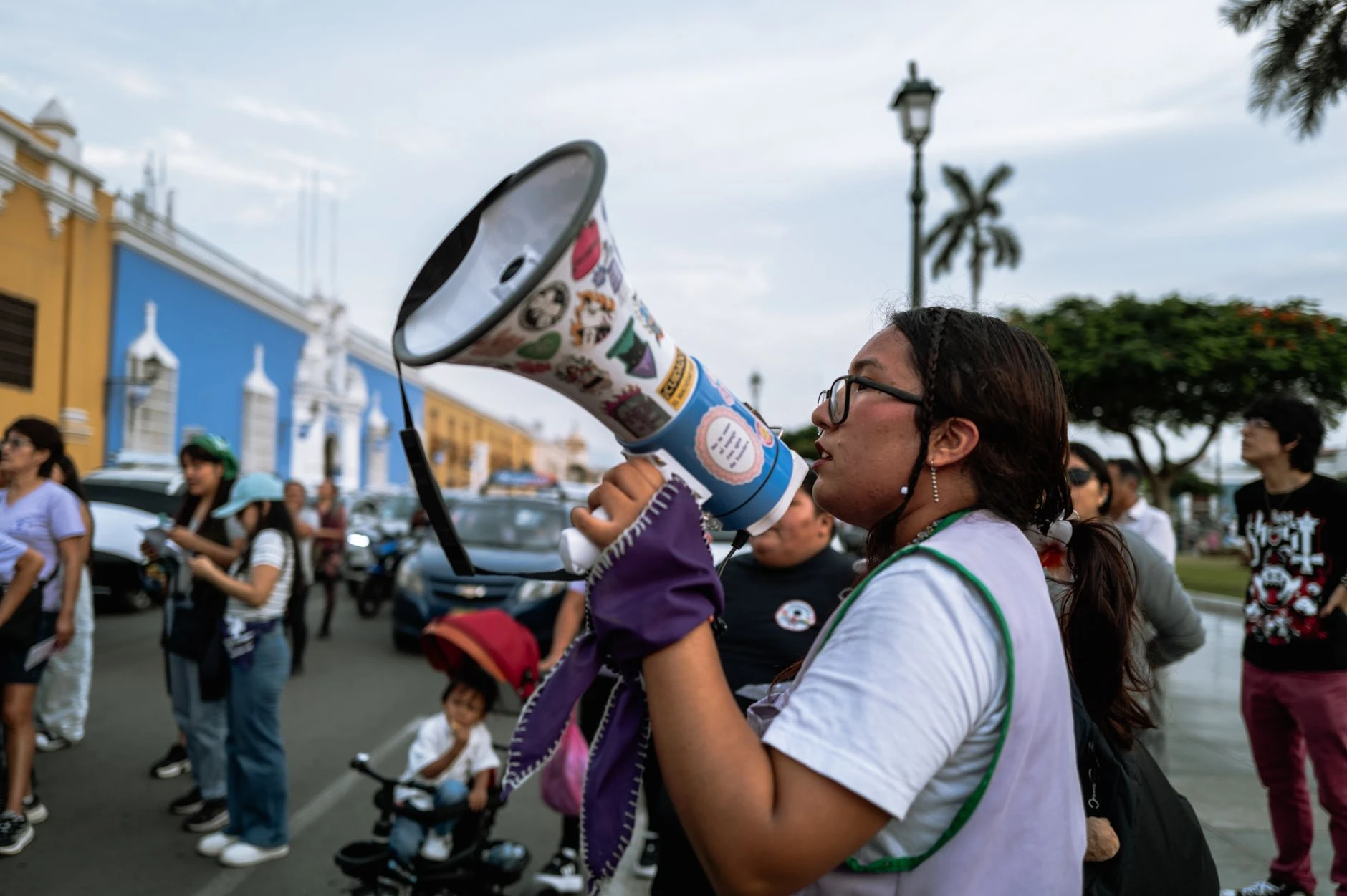
For Bolivia, the stakes now run beyond reopening highways. The government is trying to prevent shortages from deepening while avoiding a confrontation that could harden public anger and further polarize a country already strained by fuel lines, dollar shortages and mounting pressure on the streets.
Sources
- [1]usnews.com
- [2]thestar.com.my
- [3]thehindu.com
- [4]msn.com
- [5]aol.com
- [6]forth.news