World
Bolivia eases road blockades as military plane crash kills six
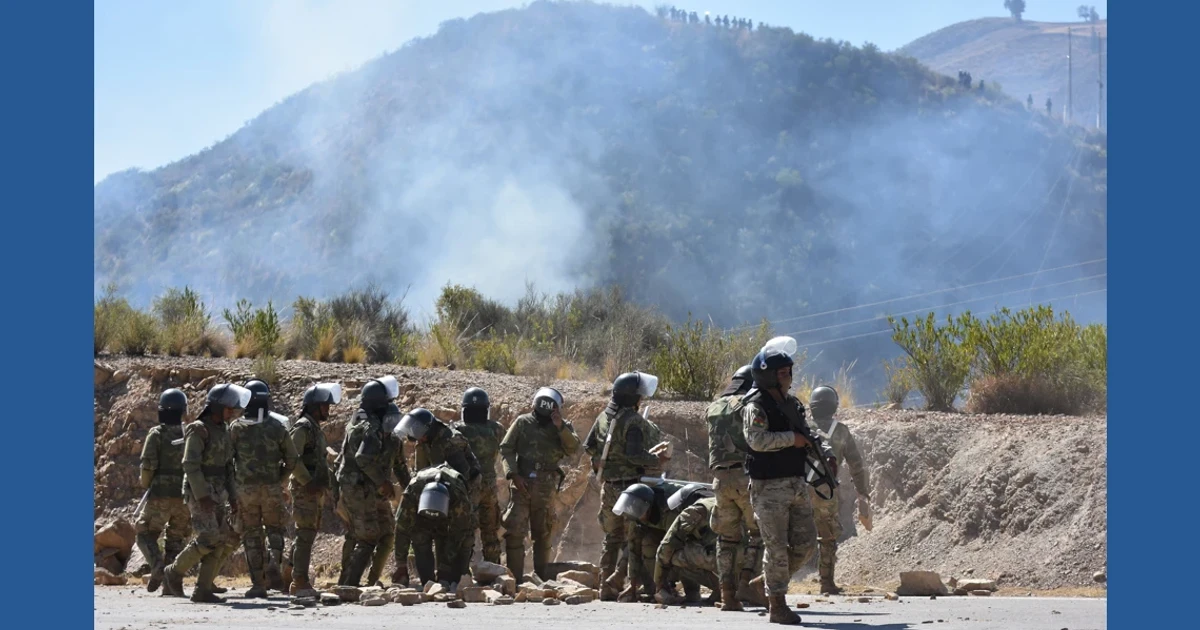
Bolivia’s roadblock crisis began to loosen Sunday, with police clearing highways and fuel trucks edging back toward La Paz and El Alto. Hours later, a military support plane crashed on an assistance mission, killing six and exposing how brittle the country’s recovery remained.
President Rodrigo Paz had declared a 90-day state of emergency to restore order and reopen the country’s highways, and the Bolivian Legislative Assembly overwhelmingly approved the decree. The measure barred blocking streets, avenues, roads and highways in ways that affected transport and supplies, and authorized the armed forces to temporarily support police in restoring order, reopening roads and protecting the population. Officials said the emergency could end earlier if violence and threats stopped.
By Sunday, Bolivia’s highway department said the number of blocked roads had dropped from 50 to 28. Police used bulldozers to clear highways, and fuel trucks began moving into La Paz and nearby El Alto. Reuters reported that no active protest blockades remained, although many roads still needed cleanup and repair.
The easing brought some relief after a 50-day disruption that had choked off fuel, food and medicine. The unrest came after Paz, who has been in office since November, cut longstanding fuel subsidies to reduce the deficit amid a worsening dollar crunch and talks with the International Monetary Fund. He later moved to stabilize fuel prices and reverse unpopular land reforms, but the protests intensified anyway. The crisis had already led to violent clashes, 365 arrests and 37 injuries, while Bolivia’s ombudsman’s office and human rights organizations said at least 17 people had died, many after transport disruptions kept them from medical care.
The costs of the blockade crisis reached deep into daily life. Reuters and AFP described it as Bolivia’s worst economic crisis in 40 years, with hospitals running out of oxygen and supermarket shelves emptied. The agreement with the Bolivian Workers’ Central, which ended its protests in exchange for a promise that state companies would not be privatized and that talks would continue, offered one sign of de-escalation. But some Indigenous groups said they would keep resisting, underscoring how uneven that calm remained.
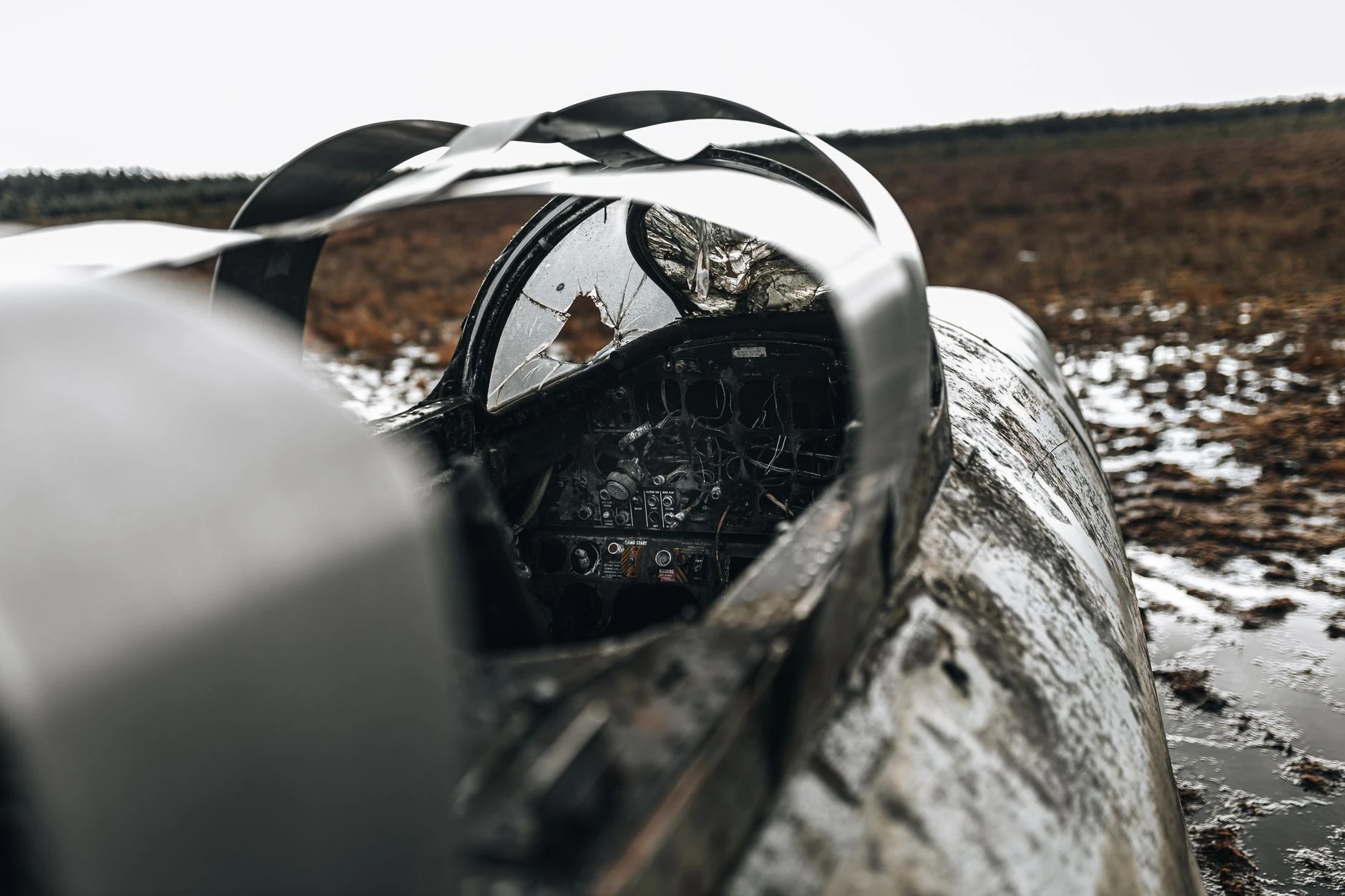
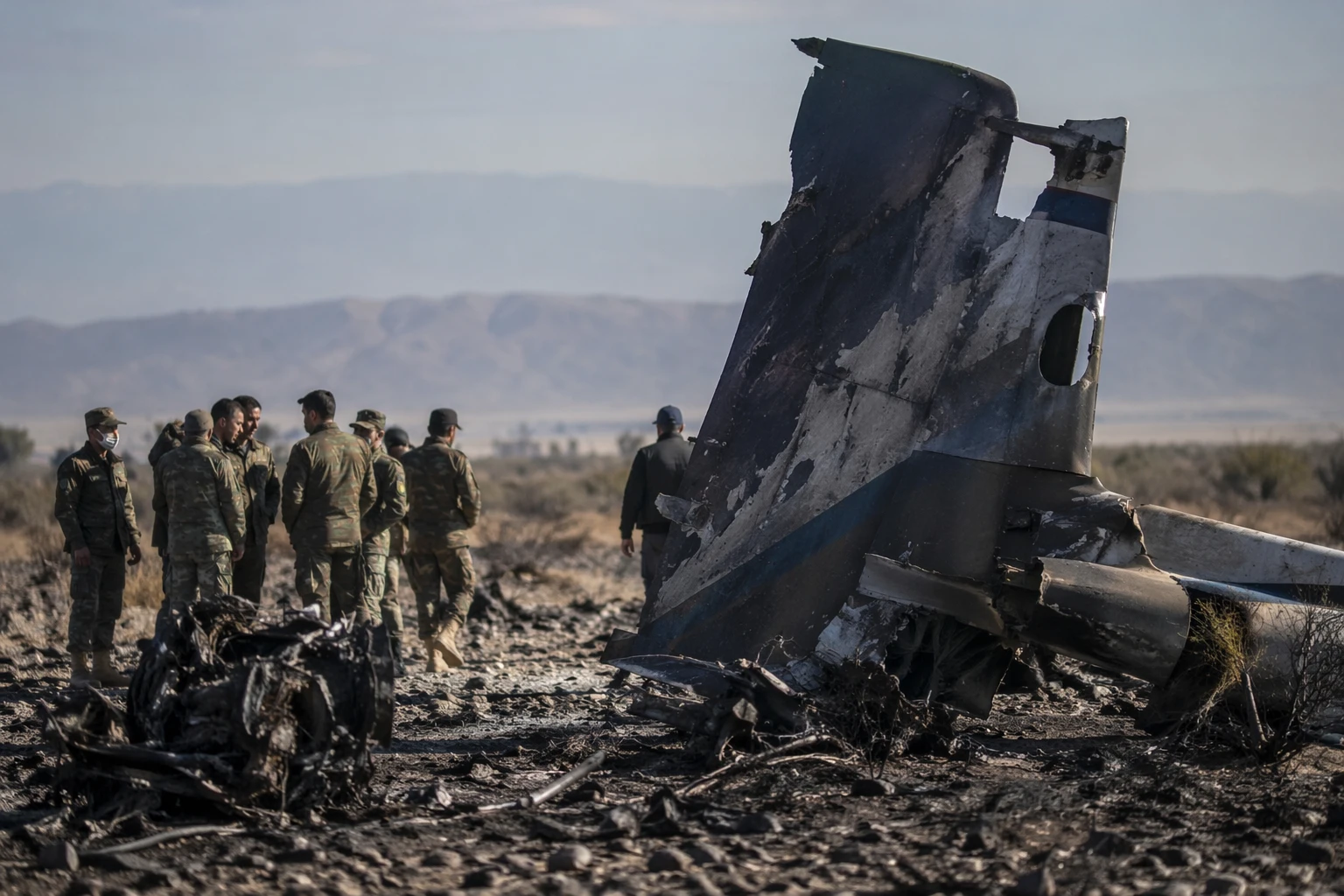
The crash sharpened the human toll of the same national strain. All six people aboard the military aircraft died, including four military members and two civilians, after the plane went down while carrying assistance cargo. What might have been a day of reopening instead became a reminder that Bolivia’s crisis is not simply about blocked roads, but about a state under pressure, a population worn down by shortages, and a political truce that could still unravel.
Sources
- [1]yahoo.com
- [2]streetinsider.com
- [3]france24.com
- [4]aljazeera.com