Business
Bolivia ends fixed exchange rate, devalues currency by 30%
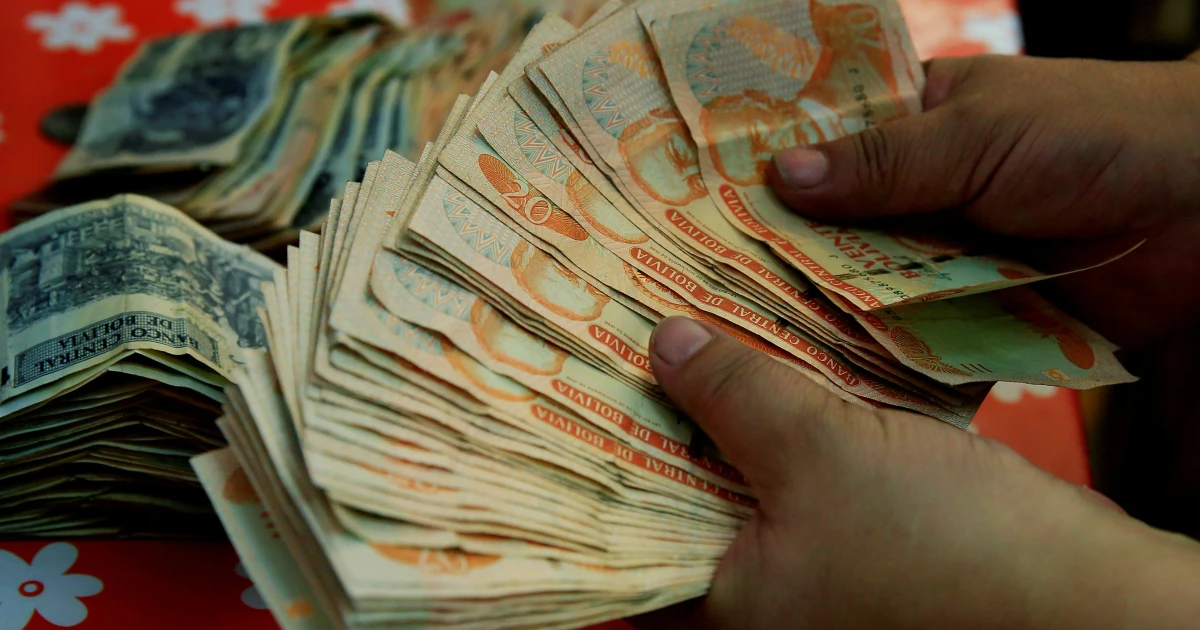
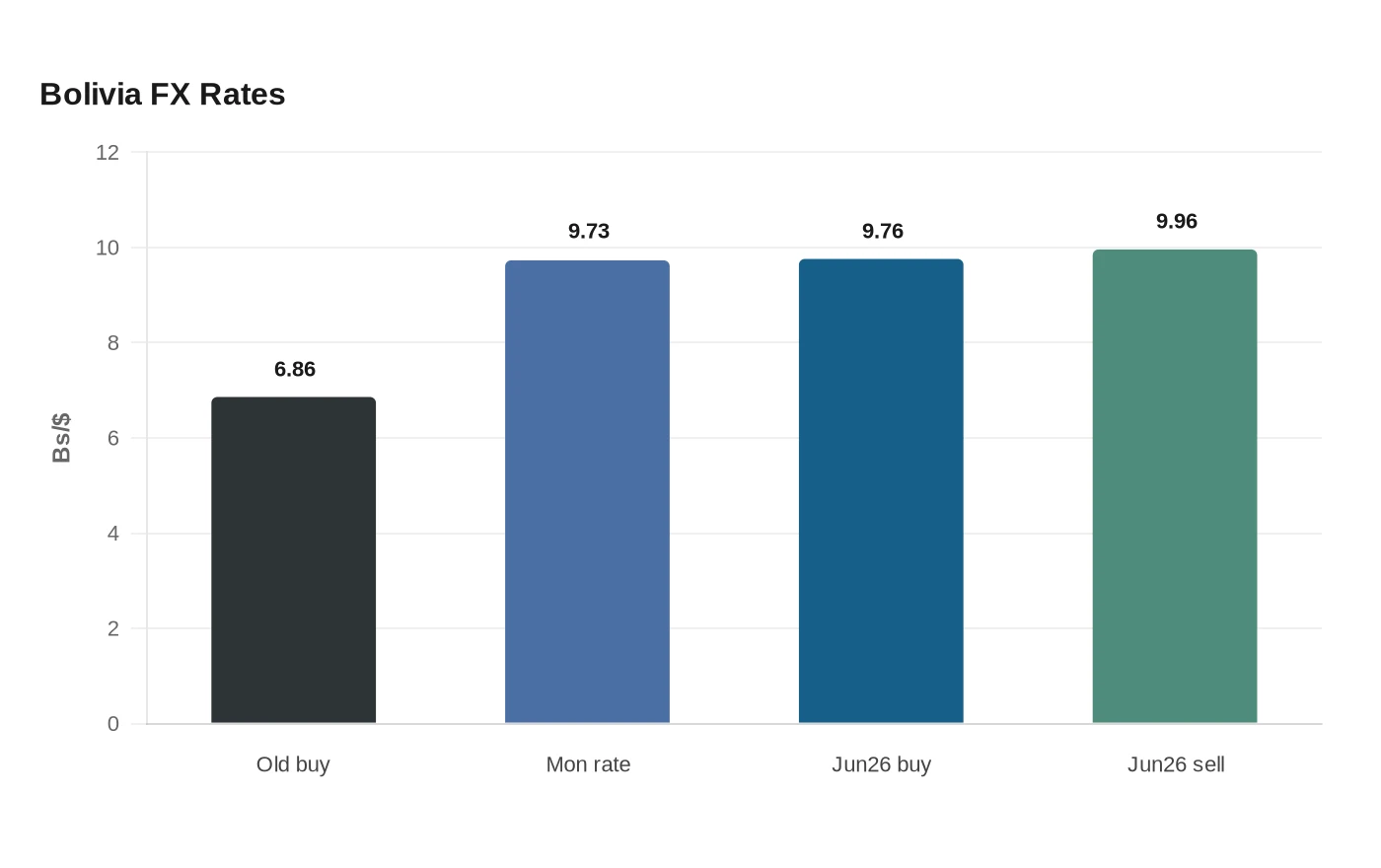
Bolivia ended its 15-year fixed exchange-rate regime and moved to a flexible system, with the central bank showing an official rate of 9.73 bolivianos per dollar by Monday, about 30% weaker than the old 6.86 buy rate. The shift will hit household budgets through pricier imports, a less predictable currency and a further squeeze on savings held in bolivianos. It also lays bare how far the official peg had drifted from reality, with dollars at times changing hands for nearly 20 bolivianos on the street.
The decree, announced Friday and taking effect June 26, aimed to restore macroeconomic stability, preserve external competitiveness and help balance payments. The Banco Central de Bolivia will oversee the transition, and its website listed a June 26 reference rate of 9.76 for buying and 9.96 for selling.
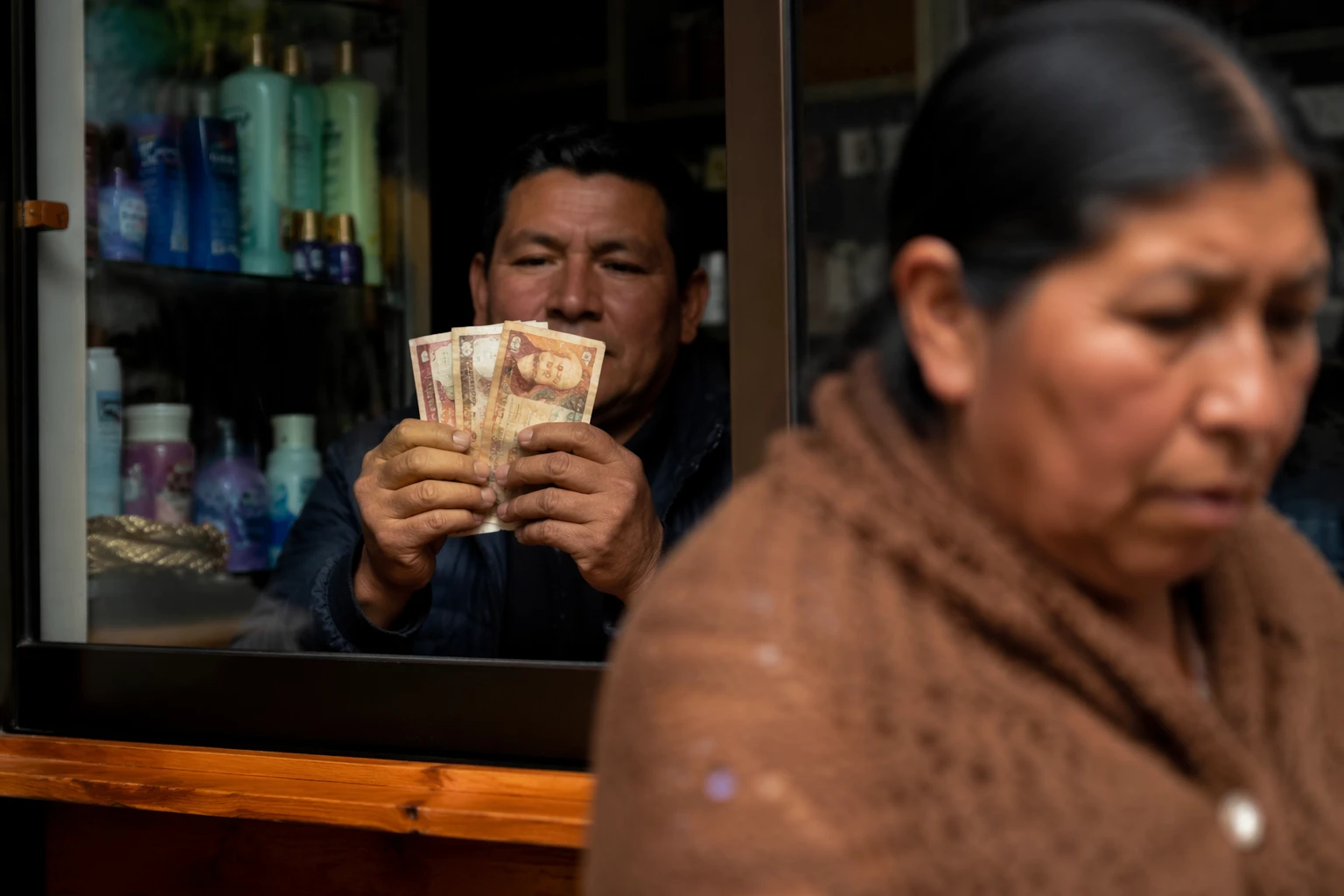
Foreign-currency holdings fell to $712 million by June 19, 2026. Net foreign currency reserves ended 2023 at about $1.7 billion, the lowest level in 19 years and far below the peak of more than $15 billion in 2014. The government was seeking about $3 billion in IMF-related support and negotiating a financing program worth at least $2.5 billion.

Road blockades that began in May have spread from miners to teachers, farmers and other workers, with more than 90 blockade points and demands ranging from higher wages and labor reform to Rodrigo Paz’s resignation. A June estimate put the losses from the blockades at about $3 billion, or roughly 6% of gross domestic product, while shortages of food, medicine and fuel have worsened conditions in La Paz and El Alto.
Gonzalo Chavez said the key test will be whether Bolivia can keep dollars flowing into the country and maintain reserves at the central bank once the new system settles in.
Sources
- [1]money.usnews.com
- [2]msn.com
- [3]bcb.gob.bo
- [4]whbl.com
- [5]bloomberg.com
- [6]marketscreener.com
- [7]finance.yahoo.com
- [8]mining.com
- [9]latintimes.com
- [10]google.com
- [11]imf.org