World
Bolivia’s roadblocks ease as emergency decree takes hold
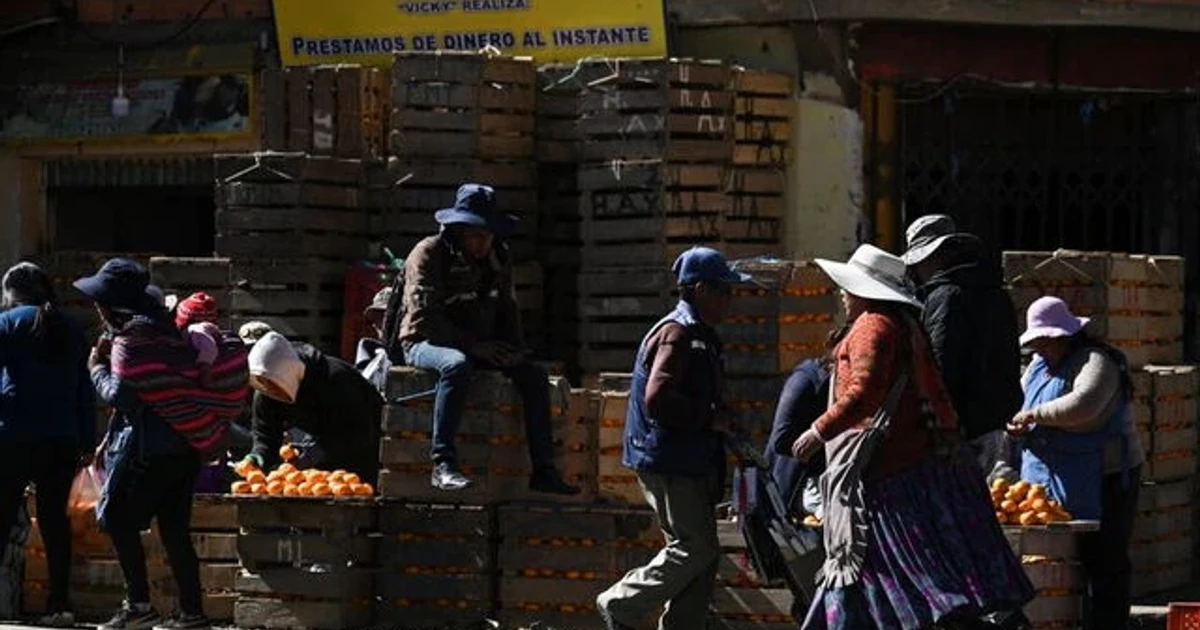
Bolivia’s blockade crisis briefly showed signs of easing, only to be jolted by a military aircraft crash that killed six people and underscored how unstable the recovery remained. After 50 days of road closures that choked transport, food and fuel deliveries, the number of active blockades dropped sharply as President Rodrigo Paz moved under a state of emergency to clear key highways.
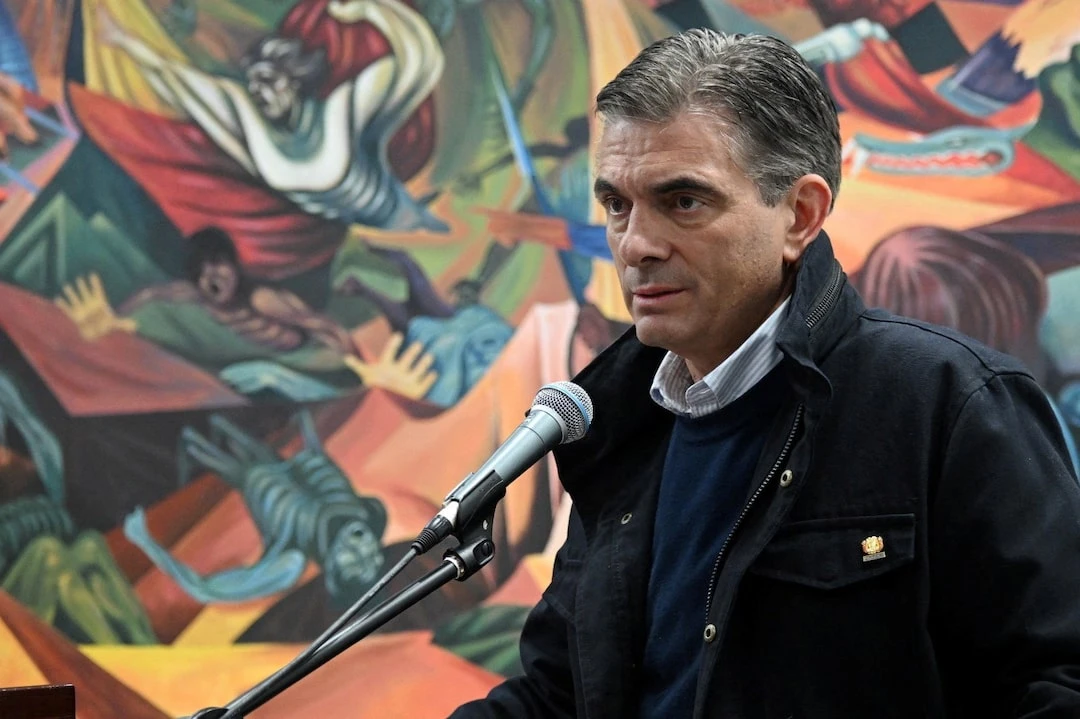
The turnaround followed a deal on Friday, June 19, 2026, between Paz and the Bolivian Workers’ Confederation, or COB. Paz called the agreement a “ray of hope,” while COB executive secretary Mario Argollo said it was only a first step and that workers should participate in the decisions shaping the response. A day later, on Saturday, June 20, Paz declared a state of emergency, giving security forces broader constitutional powers to reopen roads, and Bolivia’s Congress had already removed legal limits on emergency orders in May.
By Sunday, the highways authority said the number of ongoing blockades had fallen to 28, with some major routes beginning to reopen after several roadblocks were cleared the previous afternoon. The easing mattered because the protest wave had paralyzed the economy, stranded trucks and cut off La Paz and El Alto, a metro area of about 2 million people. Patients had struggled to reach hospitals, transport workers faced medical emergencies and supplies of fuel, food and medicines were squeezed at the same time.
The unrest began with a workers’ strike in May and grew into wider anti-government protests tied to Bolivia’s worsening economic crunch. Demonstrators and unions were demanding wage increases, an end to fuel and dollar shortages, and Paz’s resignation. The crisis also reflected the government’s effort to cut long-standing fuel subsidies in order to shrink the budget deficit, a move that fed anger in a country already dealing with a deep dollar shortage.
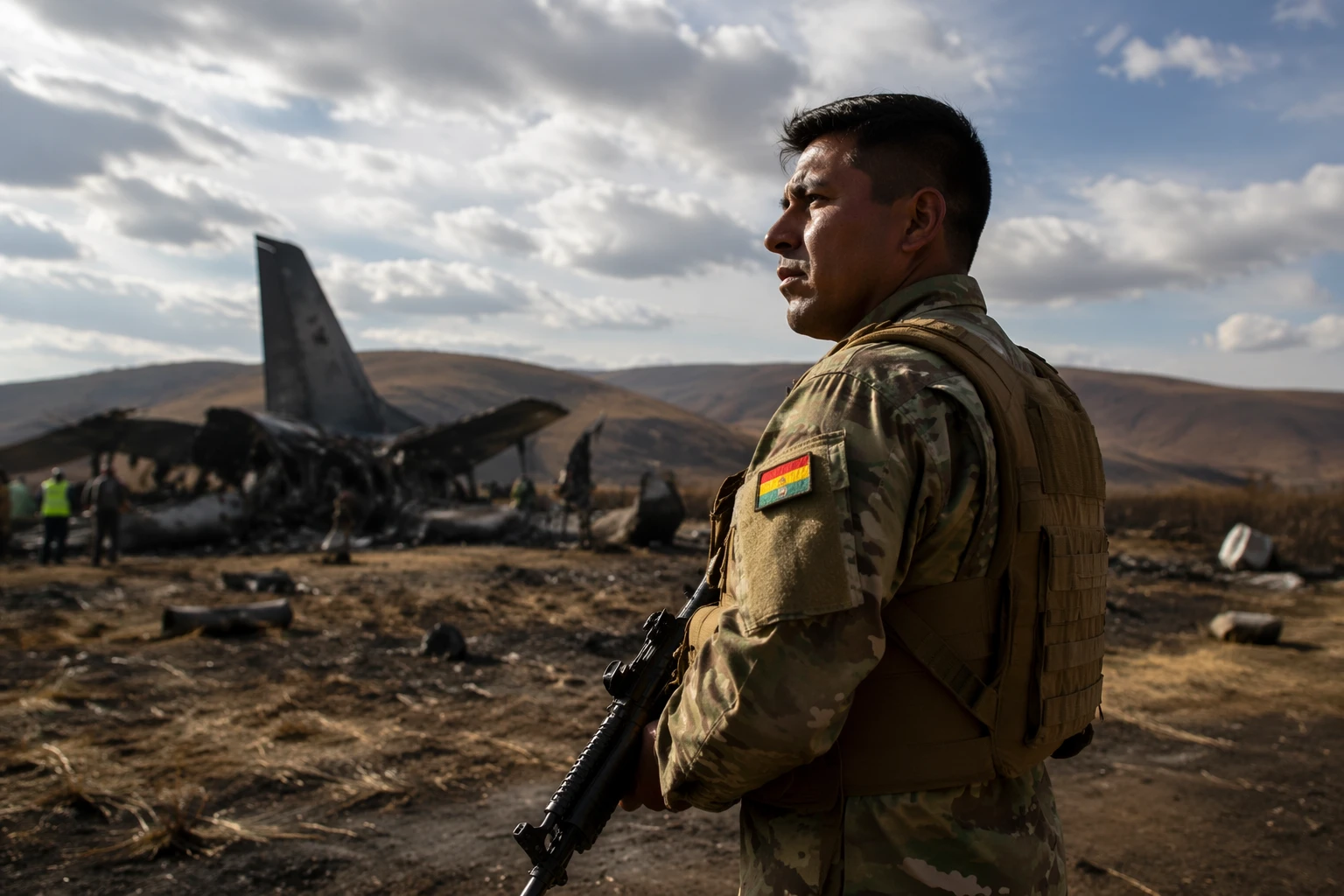
That fragile calm was overshadowed when a Bolivian Air Force Cessna FAB-409 crashed in the central department of Cochabamba, killing four military personnel and two civilians. The aircraft had left El Alto Airport near La Paz bound for Cochabamba, lost radio contact and was later found in the Cerro Sayari area. The flight was on a support mission tied to civilian operations, and in some reports to monitoring blockade-affected areas.
Paz has framed the unrest as an effort to destabilize democracy, while former President Evo Morales, whose allies were among the protesters, has denied responsibility and blamed economic hardship. With roads reopening only partially and shortages still unresolved, Bolivia’s latest pause in the protests looks less like a settlement than a test of whether the state can hold together under pressure.
Sources
- [1]usnews.com
- [2]srnnews.com
- [3]english.news.cn
- [4]bluewin.ch