World
Bolsonaro family feud deepens Brazil right's struggle with women voters

Michelle Bolsonaro resigned as head of PL Mulher on Tuesday, a move that turned a family dispute inside Brazil’s far right into an open political problem for Flavio Bolsonaro as he is being positioned as the Bolsonaro family’s presidential standard-bearer for 2026. The clash with his stepmother has now spilled beyond private circles and into the party apparatus that helped make Michelle one of the bloc’s most visible conservative figures.
The rupture matters because Brazil’s electorate is majority female. Women made up 52.65% of eligible voters in the 2022 election, and the presidential runoff that year was decided by the thinnest of margins: Luiz Inácio Lula da Silva won 50.90% and Jair Bolsonaro took 49.10%, the closest presidential result in Brazilian history. That same election marked the first time women and men split clearly along candidate preference, with women backing Lula and men favoring Bolsonaro.
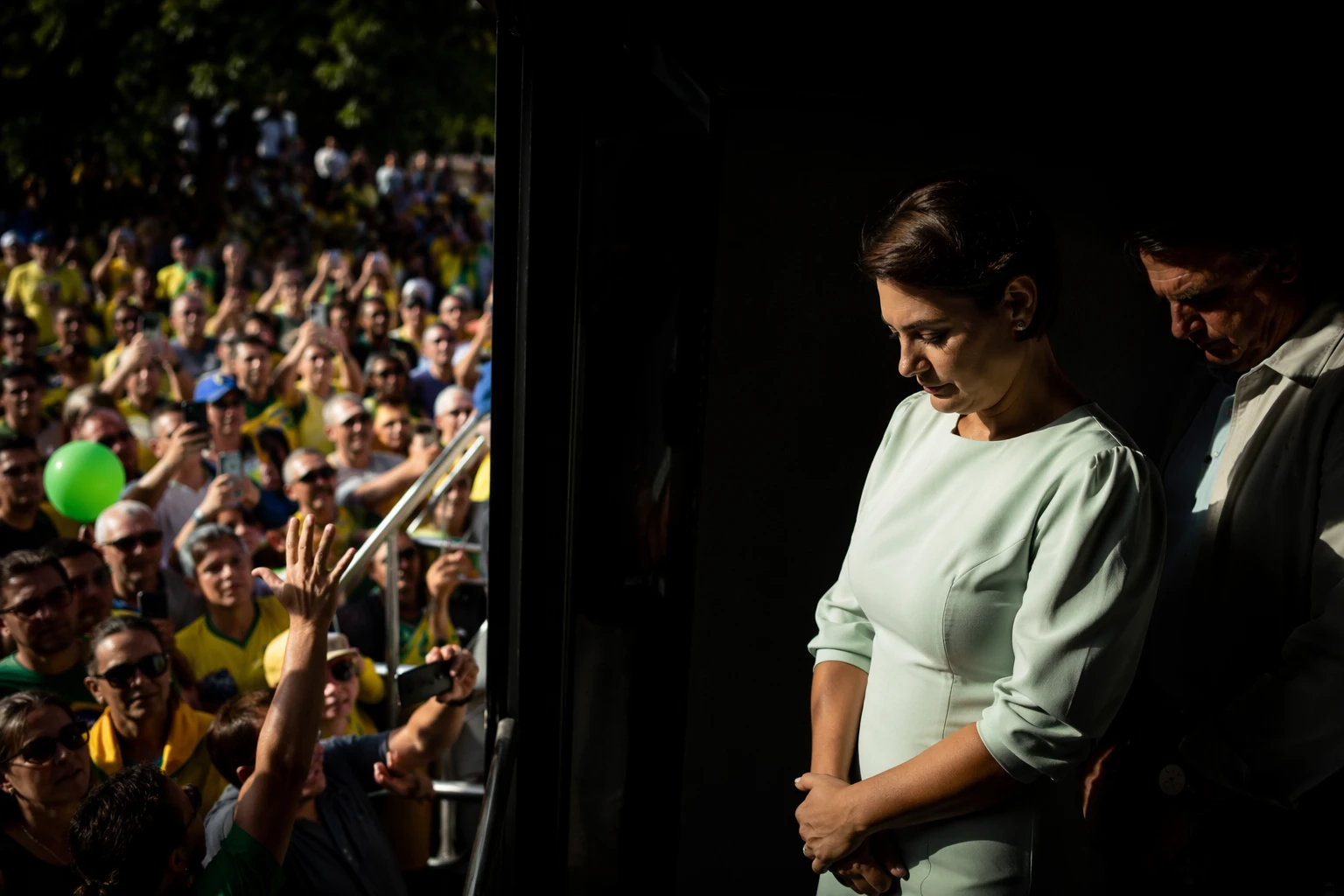
For the Bolsonaro camp, that pattern is more than a symbolic setback. It underlines how much the right still struggles to broaden its reach among women even while it remains strong with voters drawn to crime, religion and anti-establishment politics. Michelle Bolsonaro had been an important asset in that effort, especially through PL Mulher, and her disengagement from a formal party role removes one of the family’s most effective bridges to conservative women.
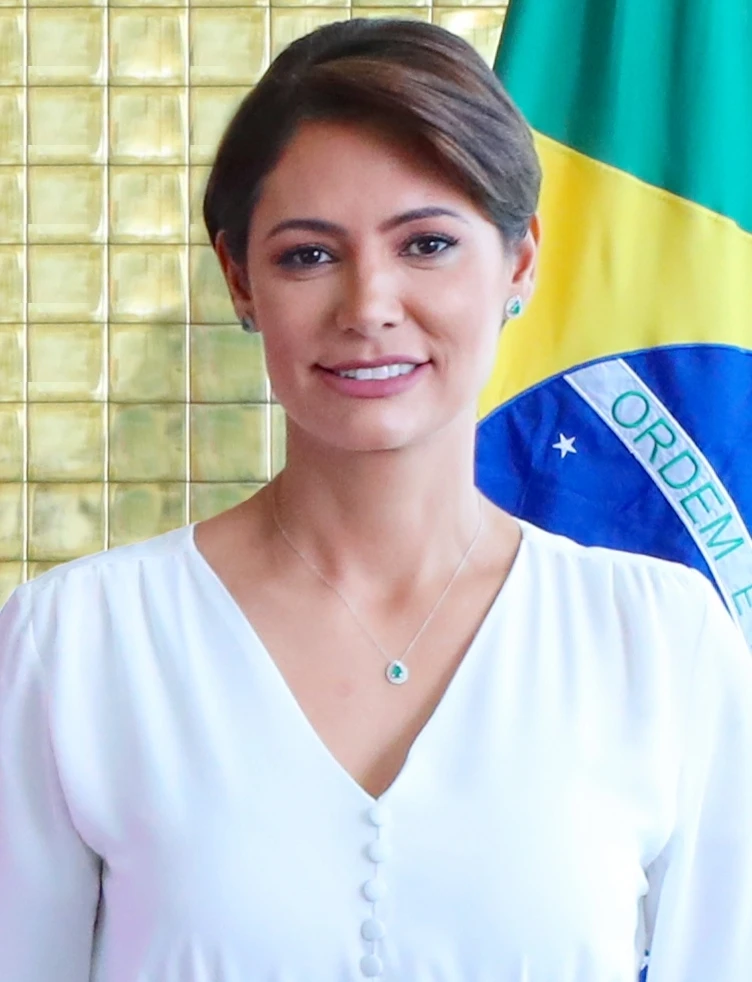
The conflict has also sharpened questions inside the Liberal Party about who should carry the Bolsonaro brand after Jair Bolsonaro was barred from running and is imprisoned. Flavio Bolsonaro has been thrust forward as the family’s candidate, but his standing with women voters was already weak before the latest dispute. Party leaders have tried to contain the damage, and PL chairman Valdemar Costa Neto met Michelle in an effort to broker a truce after tensions grew over public criticism of state-level alliances and a reported dispute tied to Ceará politics.
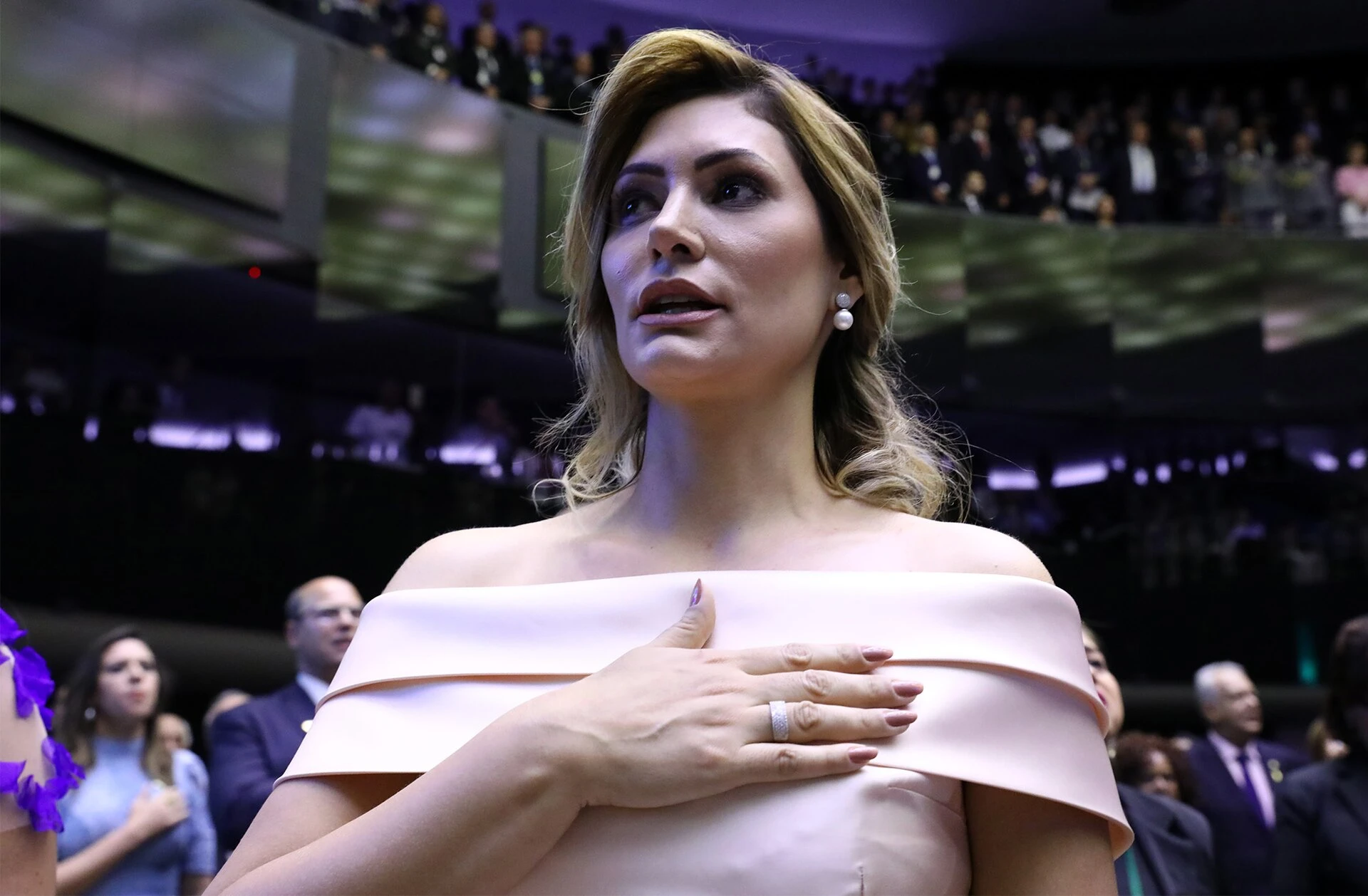
The stakes reach beyond one family quarrel. Women remain significantly underrepresented in Brazil’s National Congress, and the Superior Electoral Court has made expanding women’s political participation a stated priority. That gives the Bolsonaro feud extra weight: when the country’s largest voting bloc sees the right divided by tone, strategy and the role of Michelle Bolsonaro, the problem is not dynastic drama but a political weakness that could shape the next national contest.
Sources
- [1]usnews.com
- [2]tse.jus.br
- [3]electionguide.org
- [4]valorinternational.globo.com
- [5]as-coa.org