World
Bolstering Defenses: Why the U.S. Is Holding Off on a Strike Against Iran
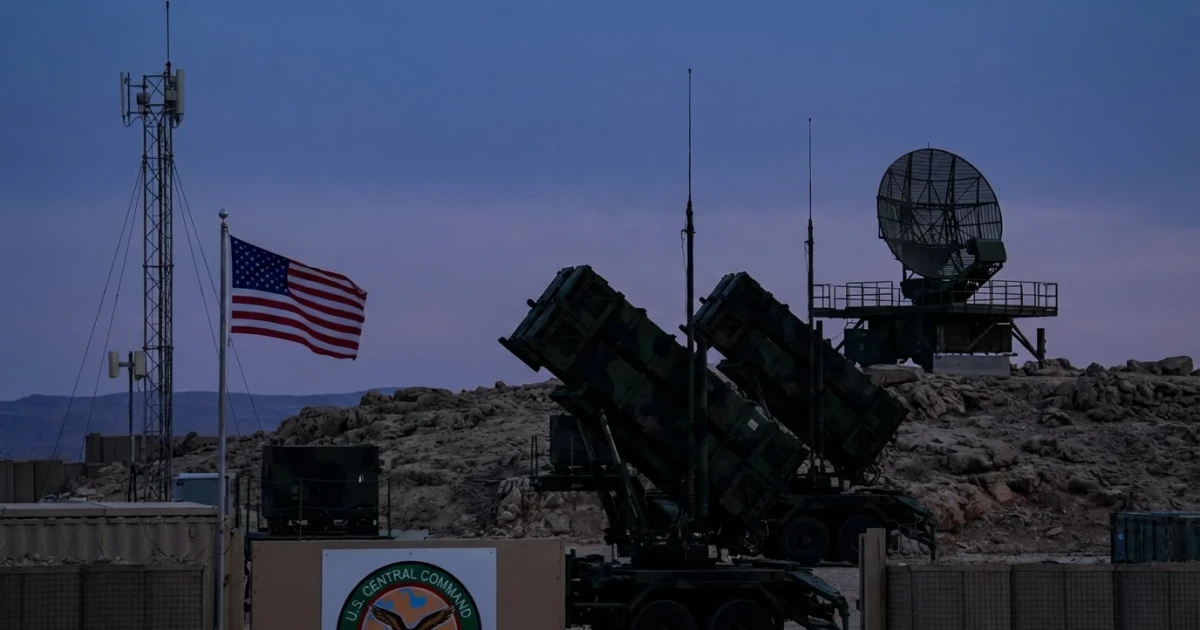
Rising tensions between the United States and Iran have sparked intense debate over the likelihood of a U.S. military strike. However, recent analysis indicates that Washington is delaying any direct action, instead focusing on shoring up air defenses throughout the Middle East before considering escalation.
Security Concerns Take Precedence
According to recent reporting, U.S. military planners have identified vulnerabilities in their current defensive posture across the Middle East. These gaps have become a primary concern, especially considering Iran’s capacity to launch missile and drone attacks against regional allies and American installations. The need for enhanced air defense capabilities is viewed as a prerequisite for any significant military action.
Why Air Defenses Matter
The Middle East has seen a surge in advanced weaponry, including unmanned aerial vehicles and precision-guided munitions. Iran, in particular, has demonstrated an ability to strike targets as far as Saudi Arabia and Israel with a variety of missile platforms. U.S. officials believe that, without robust air defenses in place, both American forces and allied nations would be at increased risk of retaliation should a strike on Iran take place.
- U.S. bases and assets in Iraq, Syria, Saudi Arabia, and the Persian Gulf remain potential targets for Iranian retaliation.
- Regional partners have also requested additional Patriot missile batteries and other anti-missile technology to counter possible attacks.
- The U.S. maintains a network of air defense systems, but gaps in coverage and capacity could leave critical infrastructure exposed.
Diplomatic and Strategic Calculations
American officials are weighing the risks of escalation in a highly volatile region. The possibility of Iranian counterattacks, both direct and through proxy groups, complicates the calculus for launching preemptive or retaliatory strikes. As a result, the White House and Pentagon are coordinating with regional allies to reinforce defensive measures before any offensive operations are considered.
Analysts note that the current approach prioritizes deterrence and defense over immediate action. This also leaves space for diplomatic engagement and efforts to de-escalate tensions, rather than committing to a path that could lead to widespread conflict.
What Comes Next?
As the U.S. rushes to address air defense vulnerabilities, the timeline for any potential strike on Iran remains uncertain. Military officials are expected to continue reviewing and upgrading regional defensive systems in the coming weeks. The situation will likely remain tense, with both sides watching for changes in posture or new provocations.
For now, the message from Washington is clear: any military action must be backed by strong defenses to protect U.S. interests and allies from likely retaliation. The coming months will reveal whether these preparations lead to renewed confrontation—or help avert it altogether.