Business
Bond Market Signals Inflation Pressure Ahead of Midterms
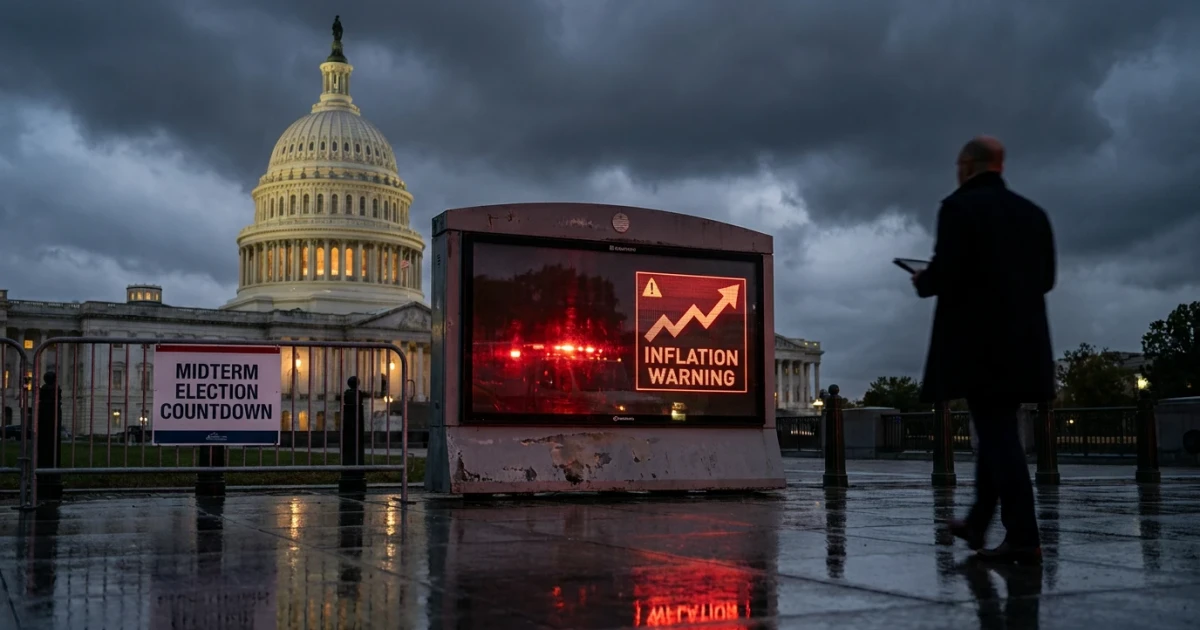
Donald Trump and Republican candidates are navigating a new wave of economic uncertainty as the bond market issues a fresh warning on inflation. This development adds to the political and policy hurdles facing the GOP in the lead-up to the midterm elections, as persistent price pressures remain at the forefront of voter concerns.
Bond Market Flashes Inflation Warning
Recent shifts in the bond market have caught the attention of economists and policymakers. The 10-year breakeven inflation rate, which reflects investors’ expectations for average inflation over the next decade, has risen notably. This metric is closely watched because it signals whether market participants believe inflation will remain elevated, and can influence both consumer behavior and government borrowing costs.
- The breakeven rate has historically served as an early indicator of inflation trends, with recent movements suggesting investors are bracing for continued price increases.
- Rising yields on Treasury bonds, as detailed in recent Treasury auction results, reinforce the notion that the market is demanding greater compensation for inflation risk.
Economists note that when the bond market sends such signals, it often prompts policymakers to reconsider fiscal or monetary strategies to prevent overheating in the economy.
Political Repercussions for Trump and GOP Candidates
This inflation warning arrives at a sensitive moment for Trump and the Republican Party. As the midterm elections draw near, the state of the U.S. economy—particularly persistent inflation—has become a top issue for voters. Data from recent surveys, including those highlighted by Pew Research Center, indicate that economic concerns weigh heavily on the electorate.
- Polling consistently shows inflation and the cost of living among the most important issues for American voters.
- Republican candidates have made economic messaging a centerpiece of their campaigns, but rising prices and market warnings could make their positions more vulnerable to criticism.
AP News notes that some strategists within the party see Trump’s current economic messaging as a “high risk gamble,” especially if inflation remains stubborn and the market continues to sound alarms. The risk is that voters may lose confidence in the GOP’s ability to manage the economy, potentially impacting turnout and outcomes in competitive districts.
How Inflation Expectations Affect Policy and Households
Inflation expectations in the bond market have real-world implications. Elevated expectations can drive up borrowing costs for the U.S. government, businesses, and consumers. As interest rates on new Treasury bonds climb, so do mortgage rates and other loan costs, straining household budgets.
- According to the Consumer Price Index, inflation has remained above the Federal Reserve’s 2% target for much of the past year.
- Higher inflation expectations may prompt the Federal Reserve to consider further tightening monetary policy, which could slow economic growth.
For Republicans, this economic backdrop complicates their policy proposals. Calls for increased spending or tax cuts may face greater scrutiny if markets are already worried about inflationary pressures.
Looking Ahead: Economic Uncertainty and the Midterm Stakes
With the midterm elections approaching, the interplay between market signals, economic policy, and voter sentiment will remain a central storyline. Analysts warn that further increases in inflation expectations, as reflected in the bond market, could heighten political risks for Trump and his party.
As the situation evolves, both parties will likely adjust their messaging to address voter anxieties about inflation and economic stability. Market indicators such as the 10-year breakeven rate and CPI data will be closely monitored by policymakers and the public alike, as they provide early warnings about the path of prices and interest rates.
For more on how the bond market works and why it matters for inflation expectations, see this comprehensive explainer from Investopedia.