World
Book reveals hidden Japanese origins of Kim Jong Un’s mother
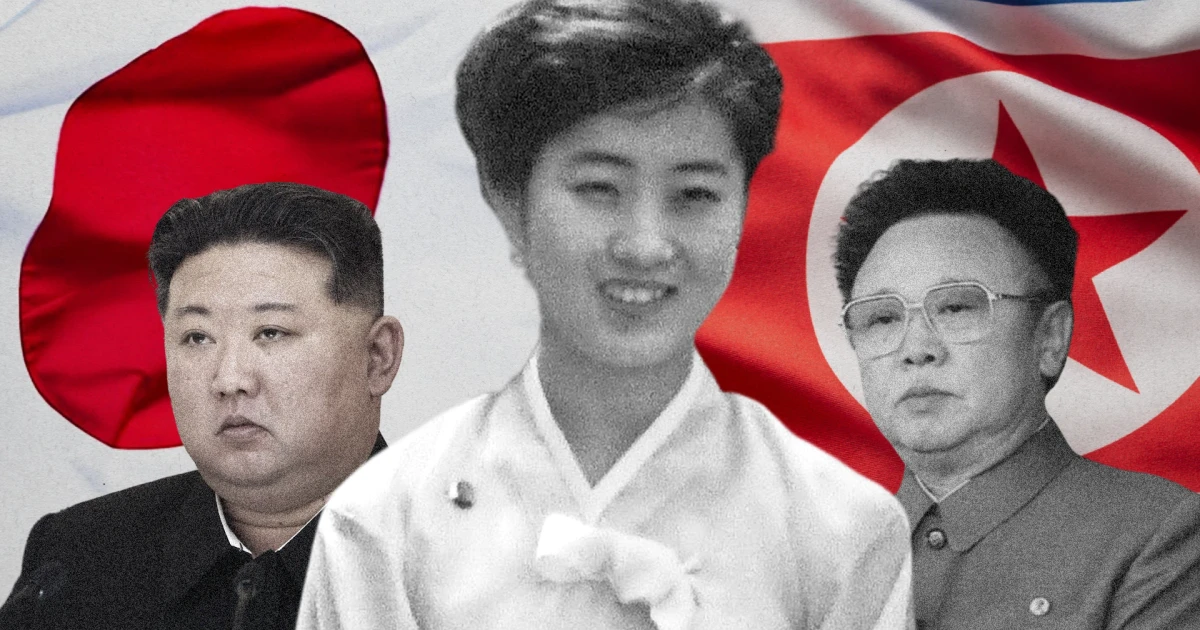
A new book by Japanese journalist Yoji Gomi has put fresh focus on Ko Yong-hui, the woman North Korea’s leader has never publicly named as his mother. Built on more than a decade of reporting and interviews with Ko’s relatives in Japan, the book has reopened questions about a family history that Pyongyang has worked to keep out of sight.
Ko Yong-hui is widely reported to have been born in Osaka, Japan, on 26 June 1952, and to have died on 13 August 2004, with reports placing her death in Paris. That background is politically dangerous in a state that wraps its ruling family in the mythology of the Mount Paektu bloodline, a sacred origin story meant to present the Kims as uniquely destined to rule. Analysts have long said that if North Koreans broadly accepted that Kim Jong Un’s mother was not part of that purified lineage, it could chip away at the propaganda that sustains the dynasty.
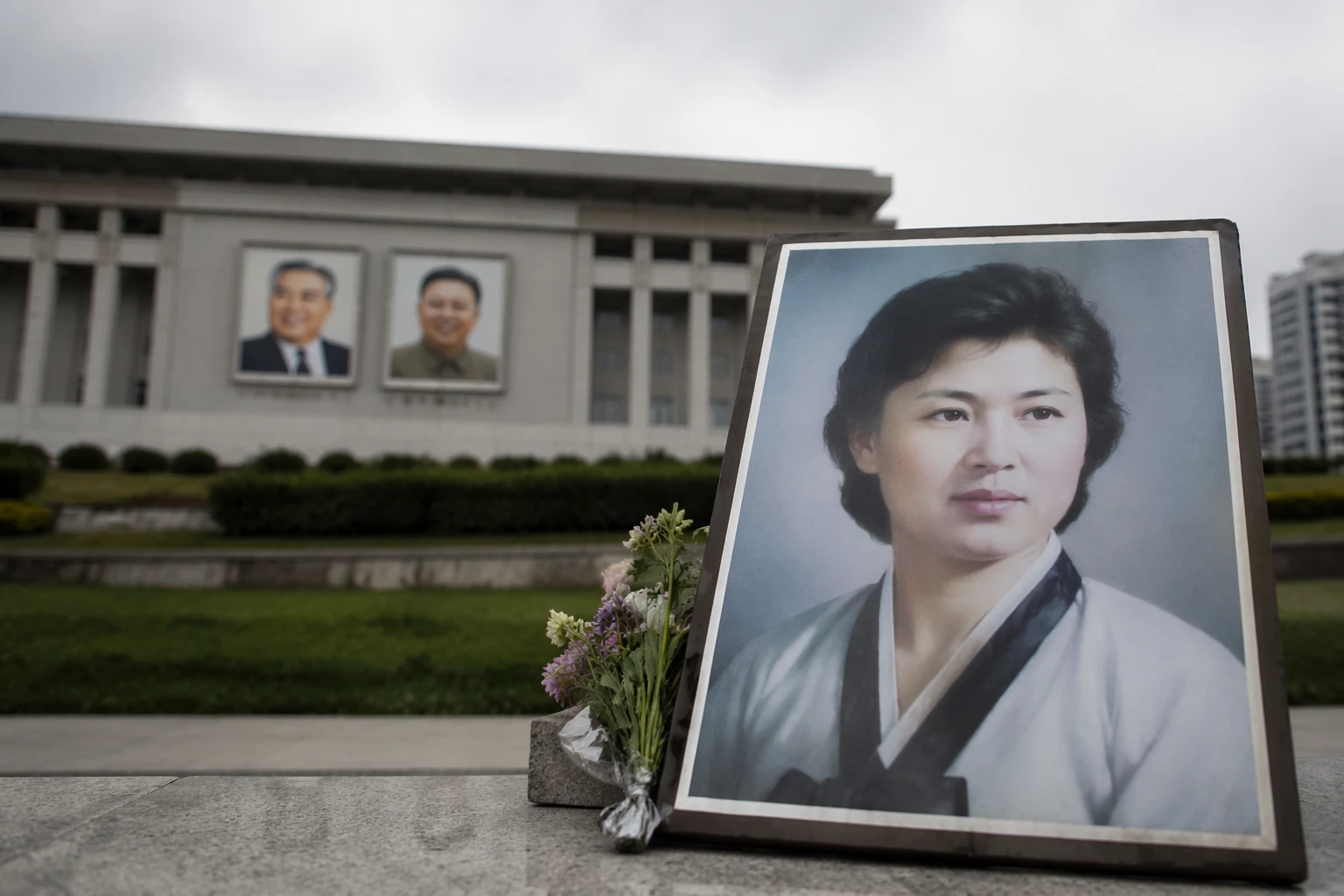
The sensitivity runs through North Korea’s rigid songbun system, which sorts citizens by political and family background. In that hierarchy, Ko’s alleged Japanese-Korean origins would have been treated as a liability rather than a credential. Her near-erasure from official storytelling fits a broader pattern in which the state edits family history when inconvenient facts threaten legitimacy, succession or ethnic-nationalist ideology.
Britannica identifies Kim Jong Un as North Korea’s leader from 2011 and says little of his early life is known. It also identifies Kim Yo-jong as the daughter of Kim Jong Il and Ko Yong-hui, underscoring how much of the family tree survives only in fragments outside the country’s official line. Ko is also described in biographical sources as the mother of Kim Jong-chol and the partner of Kim Jong Il.
North Korean state media has instead elevated Kim Jong Un’s own image through Mount Paektu symbolism. Photographs of him riding horseback up the sacred mountain, including images on a white steed, have carried heavy political meaning inside a system that links authority to revolutionary purity. The result is a carefully managed dynastic myth, one that centers the mountain, the bloodline and the leader, while keeping the mother whose origins complicate that story almost entirely out of view.
Sources
- [1]bbc.co.uk
- [2]britannica.com
- [3]bbc.com
- [4]koreajoongangdaily.com
- [5]scmp.com