Entertainment
Born This Way star Cristina Sanz dies after cardiac arrest
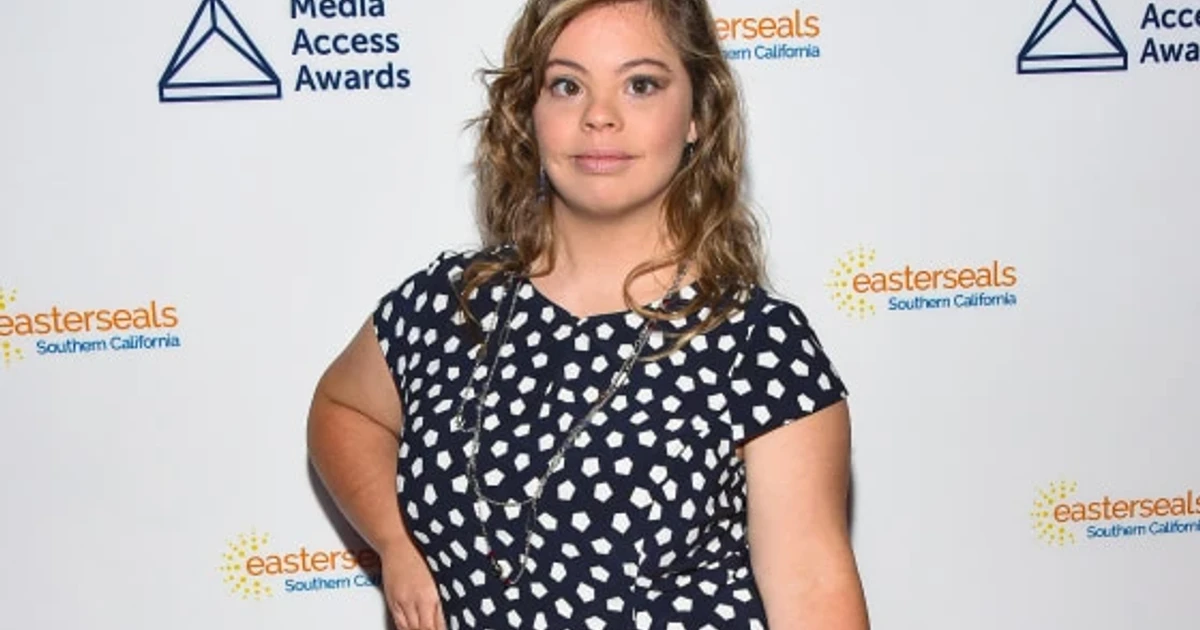
Cristina Sanz, one of the central faces of A&E’s Born This Way, died after a sudden cardiac arrest at 36. Her family announced the death on Instagram on July 8, saying she died Monday, July 6, in Long Beach, California.
Reports said Sanz was at her day program when she collapsed and was rushed to a nearby hospital, where doctors could not save her. She appeared in all four seasons of Born This Way, the Emmy-winning series that followed adults living with Down syndrome from 2015 to 2019.
The show made Sanz a familiar presence to viewers who rarely saw adults with disabilities depicted on mainstream television. A&E said the series gave parents room to talk about the joy their sons and daughters brought to their families and the challenges of helping them live as independently as possible. The network also said Born This Way premiered in 2015, when people with disabilities were barely visible on the TV landscape, and cited a GLAAD report finding that only 0.9% of regular scripted prime-time broadcast characters were depicted as living with disabilities.
Sanz’s cast bio on the network described her as someone who consistently impressed her parents, Mariano and Beatriz, with her maturity and compassion, and as the first person to help when someone needed it. Her relationship with Angel Callahan became one of the show’s most visible storylines, and a season 4 episode in September 2018 centered on her wedding to Angel.
Born This Way helped turn those personal milestones into a broader cultural argument for representation. The series did not treat Sanz and the rest of the cast as symbols or side stories; it presented their work, relationships and family lives as the center of the narrative, helping normalize the presence of adults with Down syndrome in a genre that had largely excluded them.
The reaction to Sanz’s death brought that legacy back into view, with fans and the Born This Way community sharing condolences for a cast member who had become part of the show’s identity. Her death leaves behind a body of work that changed how mainstream television portrayed adults with Down syndrome, not through inspiration tropes but through ordinary, sustained visibility.
Sources
- [1]nbcnews.com
- [2]aetv.com
- [3]aol.com
- [4]deadline.com