Technology
Bosch begins sample production at first U.S. semiconductor plant
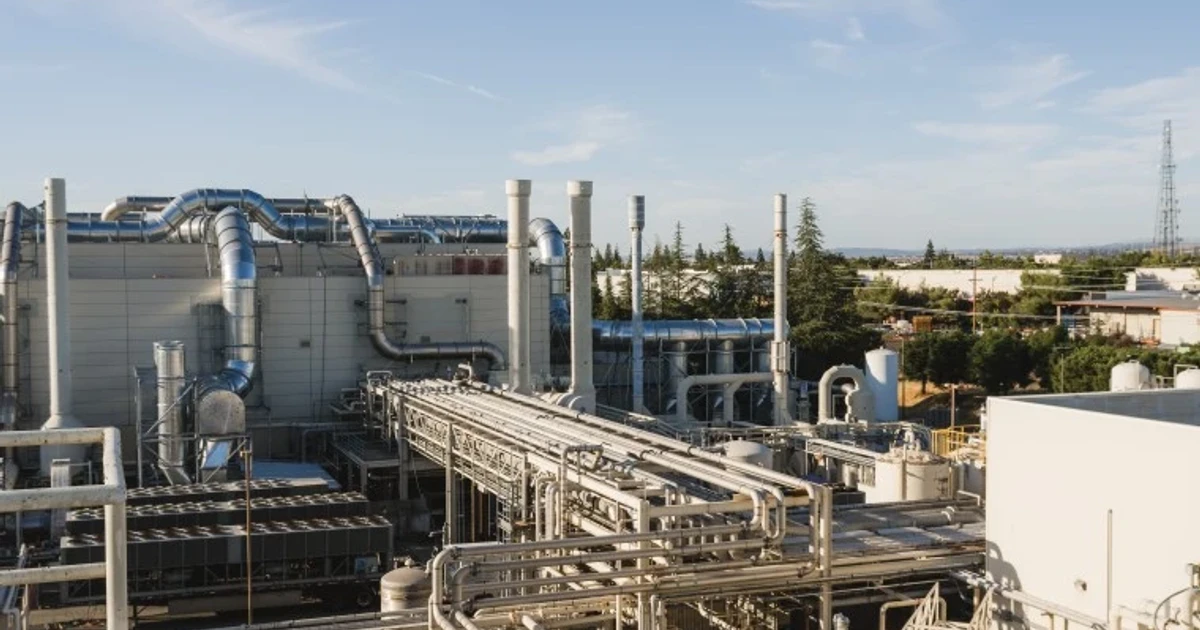
Bosch has started sample production at its first semiconductor plant in the United States, a Roseville, California, facility. The site will move into commercial production in 2026 after receiving up to $225 million in CHIPS Act incentives from the U.S. Commerce Department.
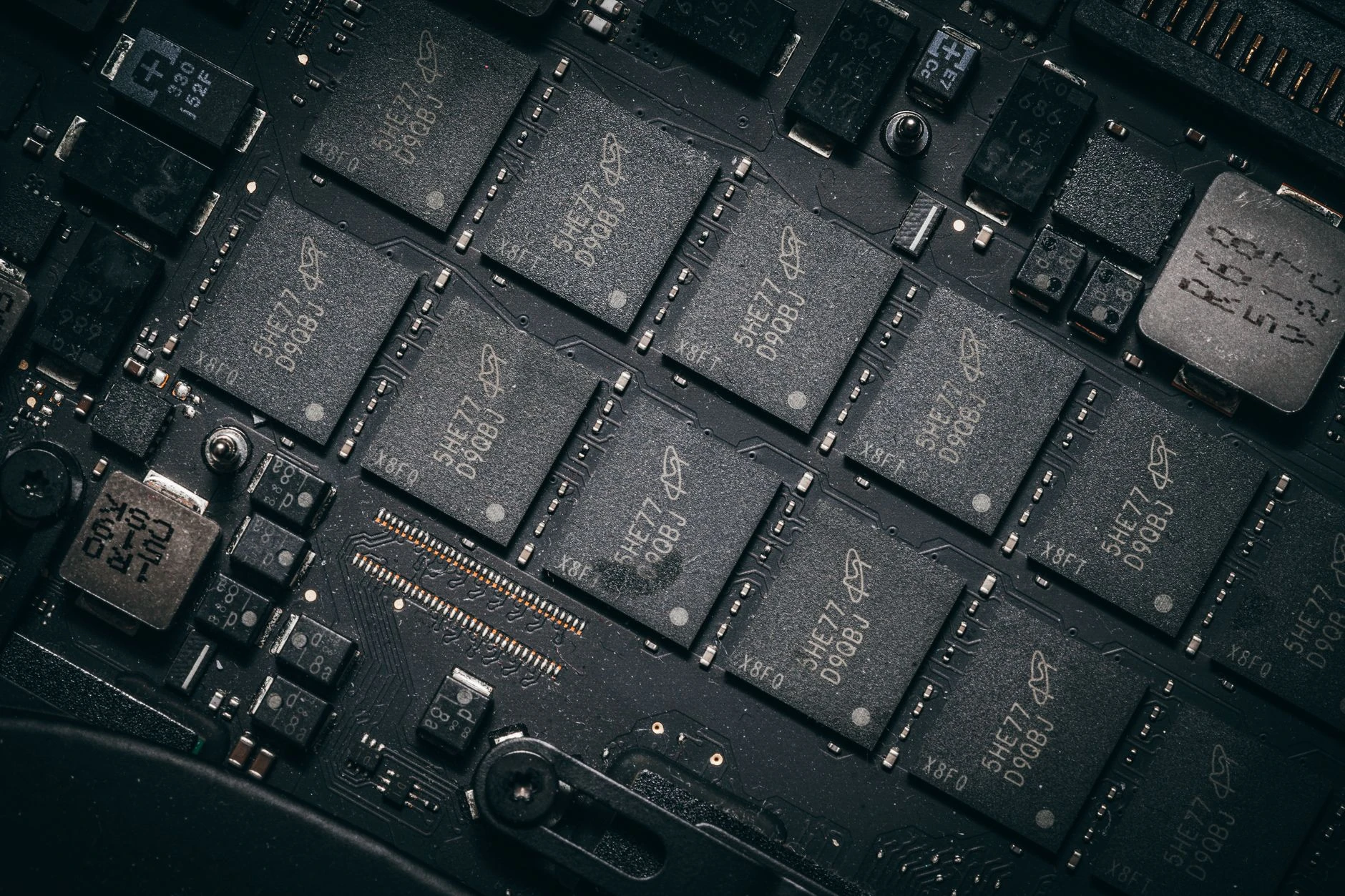
The Roseville plant is Bosch’s first major domestic bet on silicon carbide, a material used to manage high-voltage electricity. Bosch will produce and test silicon carbide semiconductors on 200-millimeter wafers, with applications in electric vehicles, industrial systems, energy equipment and consumer appliances. Commerce officials call those chips essential to automotive, industrial, energy and consumer appliance industries, and Bill Frauenhofer, a Commerce official, called silicon carbide enabling technology behind electrification in energy, automotive and defense.
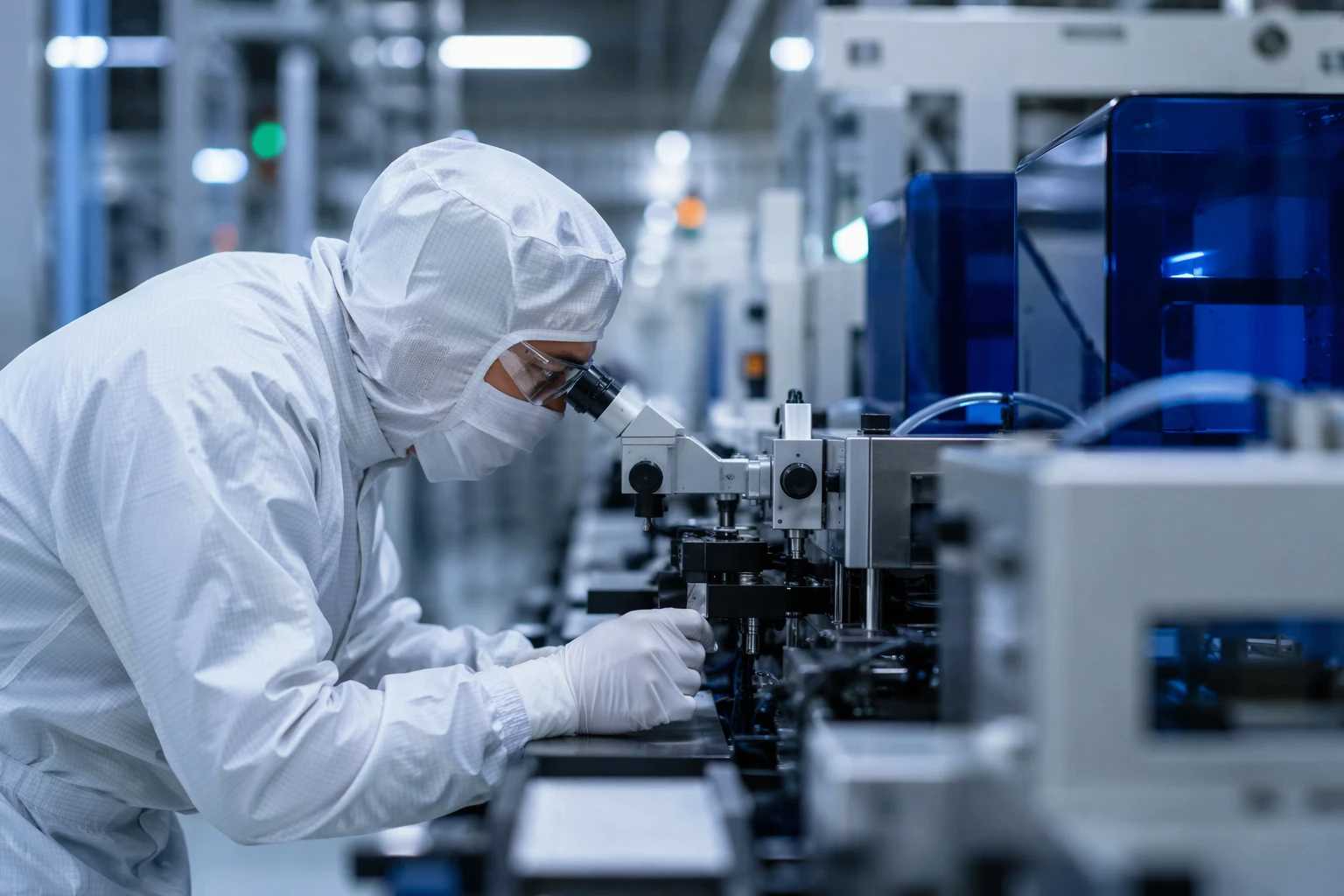
Bosch invested up to $2 billion to transform the Roseville facility after acquiring it from TSI Semiconductors in August 2023. The site brings more than 40 years of semiconductor-manufacturing experience, and Bosch kept nearly 250 associates in place during the conversion rather than starting from scratch. The existing workforce and infrastructure made an existing fab a faster route than building a new plant, and the site is expected to become Bosch’s largest silicon carbide facility globally.
Bosch North America chief Paul Thomas linked the company’s U.S. investment to the U.S.-Mexico-Canada Agreement and the value of supply chains closer to the markets they serve. Bosch has already delivered more than 60 million silicon carbide chips worldwide since 2021, and it plans to invest up to $7.5 billion in U.S. operations through 2031.
Bosch Community Fund gave a $100,000 grant to the Sierra College Foundation for CTE and STEM support, and the project has also been backed by a $25 million California Competes Tax Credit.
Sources
- [1]money.usnews.com
- [2]nist.gov
- [3]us.bosch-press.com
- [4]sierracollege.edu
- [5]abc10.com