Sports
Bosnia and Herzegovina reaches World Cup 2026 round of 32
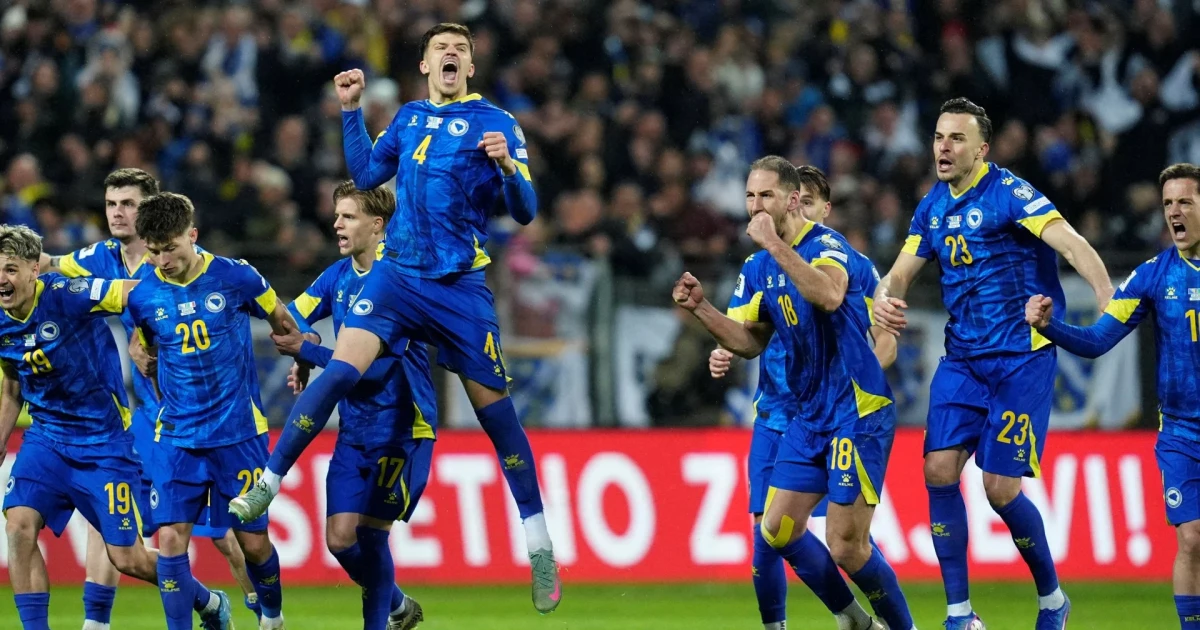
Bosnia and Herzegovina will meet the United States on July 2 at San Francisco Bay Area Stadium in the World Cup 2026 round of 32, a matchup that lands at a rare moment for a country of 3,164,253 people and only its second finals appearance. UEFA says the side advanced from Group B after finishing third behind Canada, Switzerland and Qatar, with captain Edin Džeko and coach Sergej Barbarez leading the squad.
The result carries meaning well beyond the pitch. Bosnia and Herzegovina sits in the western Balkan Peninsula, with Bosnia in the north and center of the country and Herzegovina in the south and southwest. Sarajevo, the capital and cultural center, remains the political and symbolic core of a state whose modern shape still reflects the Dayton Accords, signed on November 21, 1995, to end the war in Bosnia and preserve the country as a single state.
That arrangement is famously complicated. Bosnia and Herzegovina is divided into the Bosniak-Croat Federation and the Bosnian Serb Republic, while the central government is headed by a tripartite presidency representing the three major ethnic constituencies. The chairmanship rotates every eight months, a setup that has kept most governing power at the entity level and left the central institutions comparatively weak, cumbersome and costly to run.
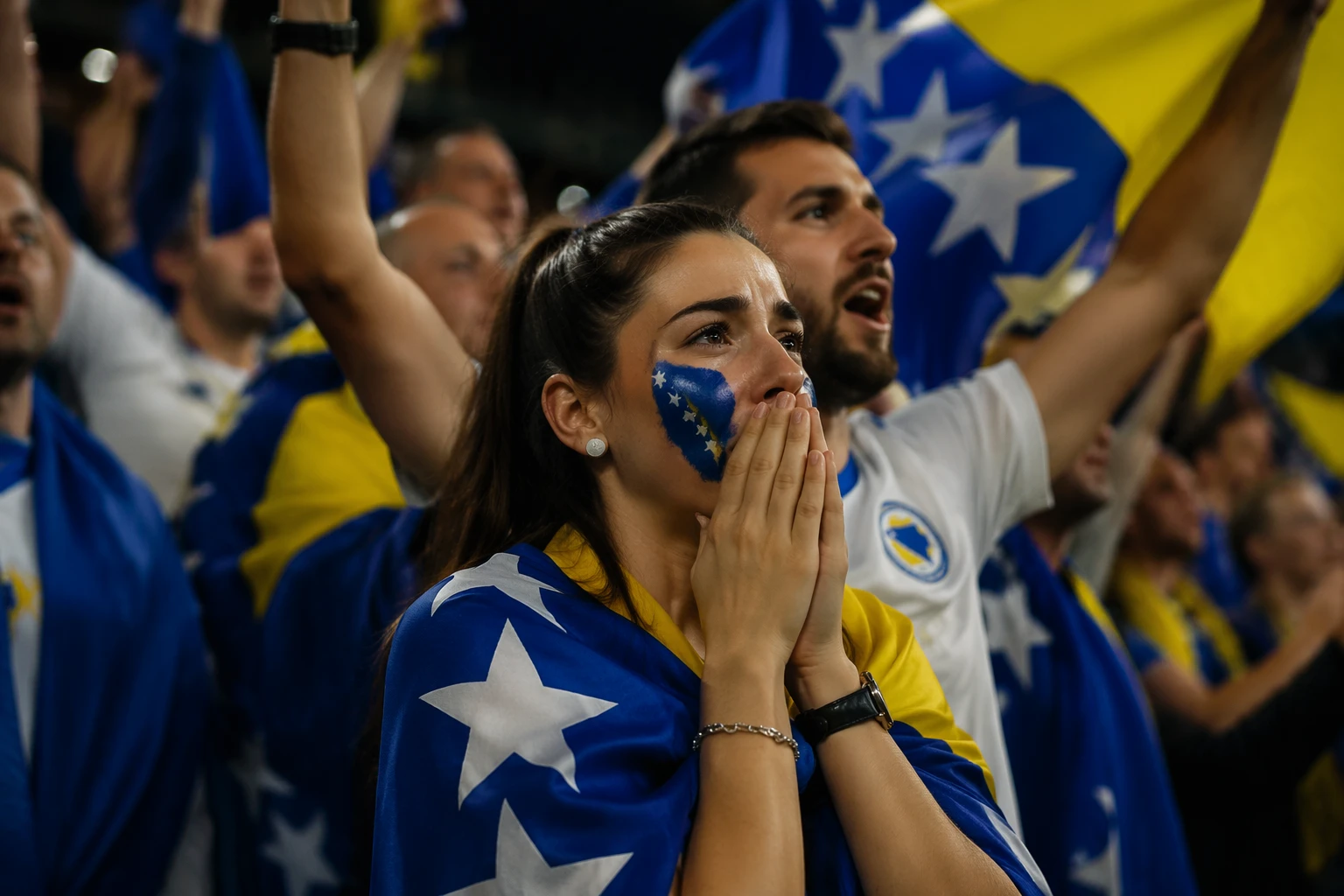
The football team has become one of the most visible national symbols in a country where postwar scars remain part of daily life. The Old Bridge in Mostar was destroyed on November 9, 1993, during the conflict in the former Yugoslavia, and UNESCO later described its reconstruction as a landmark event in heritage protection. The bridge’s return stood as a public marker that the country’s recovery would be measured not only in votes and treaties, but also in the rebuilding of places that define memory.
The United States has been a major outside power in that process. It helped broker the Dayton Peace Agreement and has continued to support its implementation, while NATO headquarters in Sarajevo remains under U.S. command. Washington has also provided roughly $2 billion in assistance to Bosnia and Herzegovina since the 1990s, underscoring how the country’s political order and its place in Europe were both shaped by the war’s end.
Sources
- [1]nytimes.com
- [2]britannica.com
- [3]cia.gov
- [4]data.worldbank.org
- [5]uefa.com
- [6]fifa.com
- [7]whc.unesco.org
- [8]2021-2025.state.gov