Technology
Boston Dynamics upgrades Atlas robot for industrial work, production begins
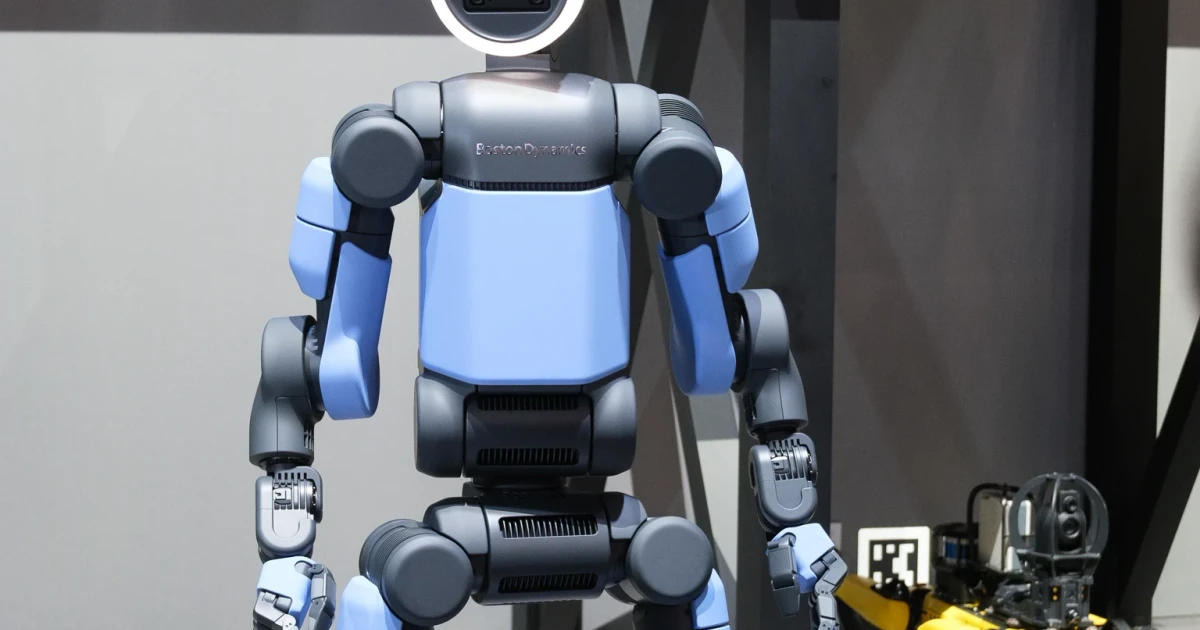
Boston Dynamics has recast Atlas from a showpiece into a machine built for work, giving the humanoid robot fully rotational joints, tactile sensing and hands that can grip a range of objects. The company said production of the new Atlas would begin immediately at its Boston headquarters, with all 2026 deployments already committed to Hyundai’s Robotics Metaplant Application Center and Google DeepMind.
The upgrade is about far more than making the robot look human. Boston Dynamics said Atlas has 56 degrees of freedom, a 2.3-meter, or 7.5-foot, reach, and a height of 1.9 meters, or 6.2 feet, while weighing 90 kilograms, or 198 pounds. It can lift up to 50 kilograms, or 110 pounds, instantaneously and 30 kilograms, or 66 pounds, sustained, numbers that point directly to repetitive industrial chores such as material handling and order fulfilment rather than stage-ready acrobatics.
The company also says Atlas can operate from minus 20 degrees Celsius to 40 degrees Celsius, carries an IP67 rating, and can navigate to a charging station and swap its own battery. Boston Dynamics lists a four-hour battery life and a 360-degree camera view, both important for a robot meant to move through crowded industrial spaces, identify objects and keep working without constant human intervention. The design is meant to support continuous use in environments where workers have long been asked to lift, carry and place the same objects over and over.
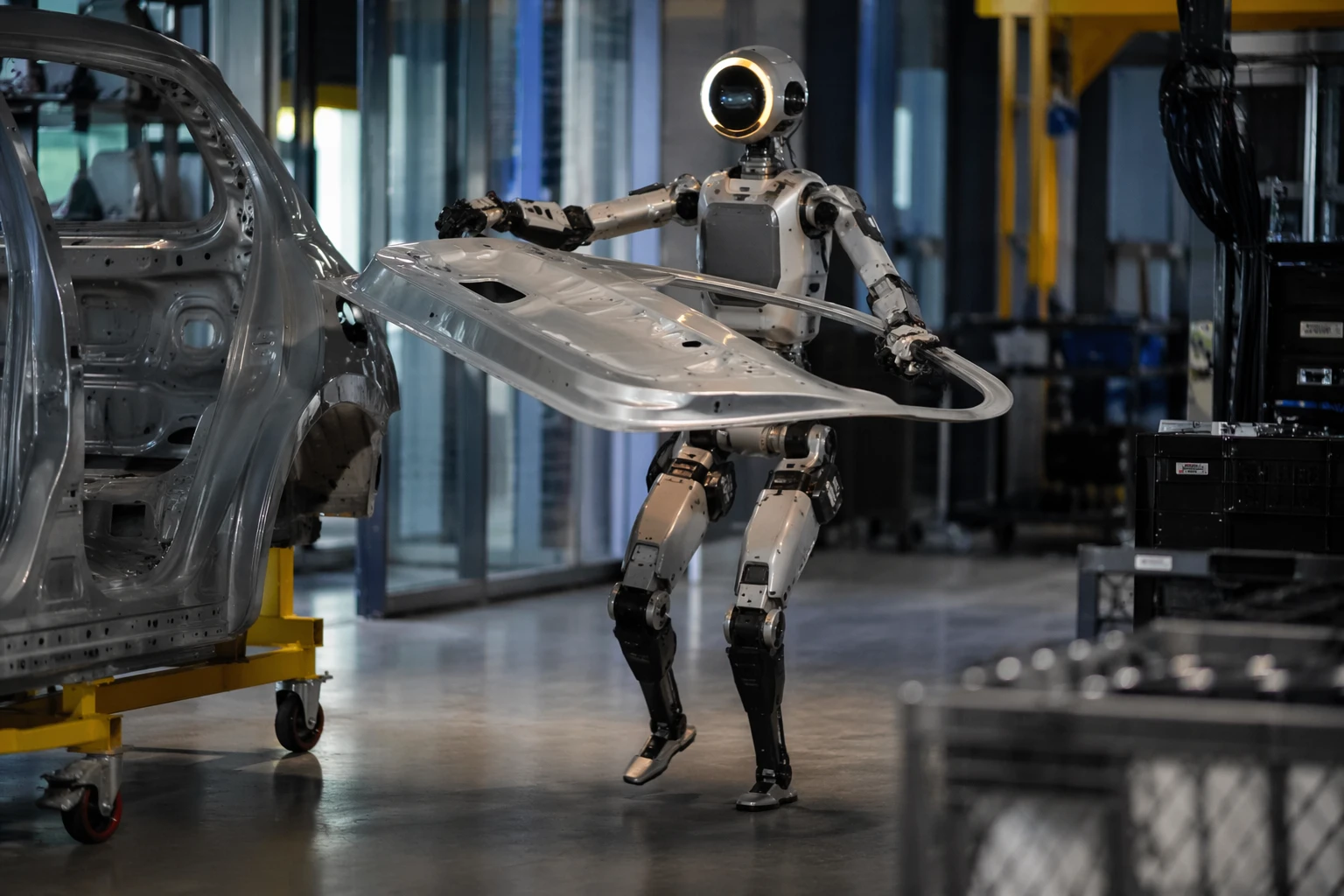
Scott Kuindersma, Boston Dynamics’ head of robotics research, said the new design eliminates wires crossing rotating parts, which improves range of motion and maintenance. That change matters because industrial robots are judged less by how well they can dance than by how reliably they can repeat the same task across shifts, with fewer service interruptions and less downtime. Boston Dynamics says one robot learning a task through teleoperation can allow that task to be replicated across the fleet, a software advantage that could make deployment faster at large facilities.
Atlas first debuted publicly on July 11, 2013, as a DARPA-funded disaster-response robot developed by Boston Dynamics, then 6 feet 2 inches tall and weighing 330 pounds. Boston Dynamics retired the hydraulic version in April 2024 and unveiled an all-electric successor the next day, marking a clear break from a research platform into an enterprise product. In a 2026 follow-up, 60 Minutes showed the new Atlas cartwheeling, dancing, running with human-like fluidity and picking itself up from the floor using only its feet, but the deeper story is the same: Boston Dynamics is trying to turn spectacle into a worker. CEO Robert Playter said Atlas is the company’s best robot yet and that the long-term goal is “useful robots that can work in homes and make life safer and more productive.”
Sources
- [1]cbsnews.com
- [2]bostondynamics.com
- [3]darpa.mil
- [4]hyundai.com