Politics
Boston judge blocks Trump’s $100,000 H-1B visa fee
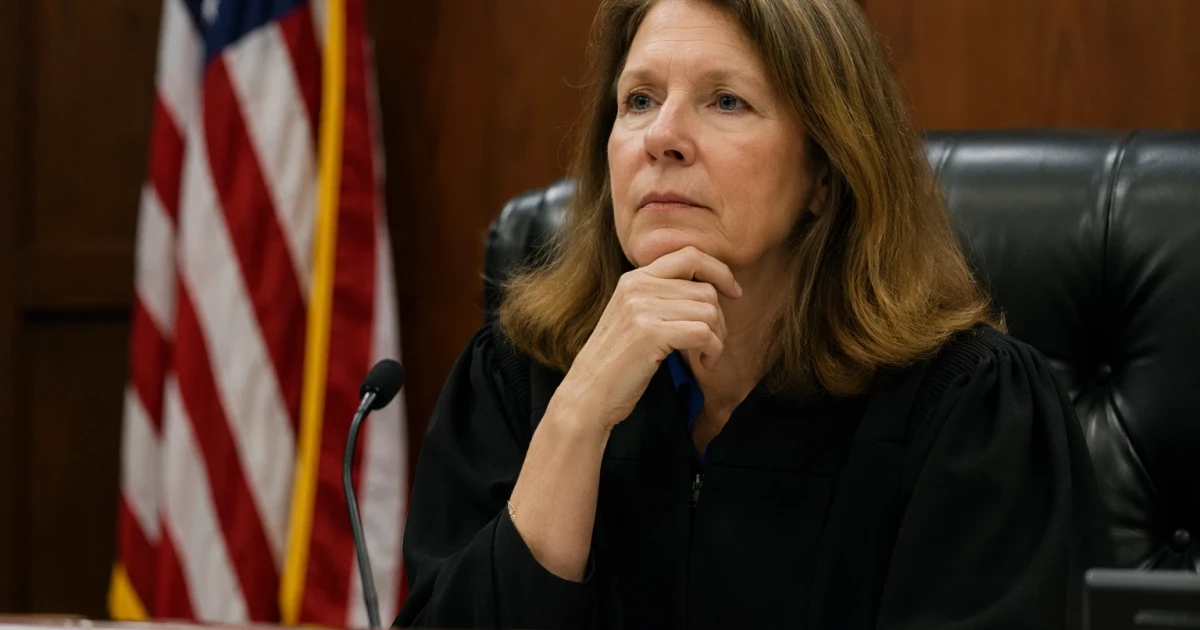
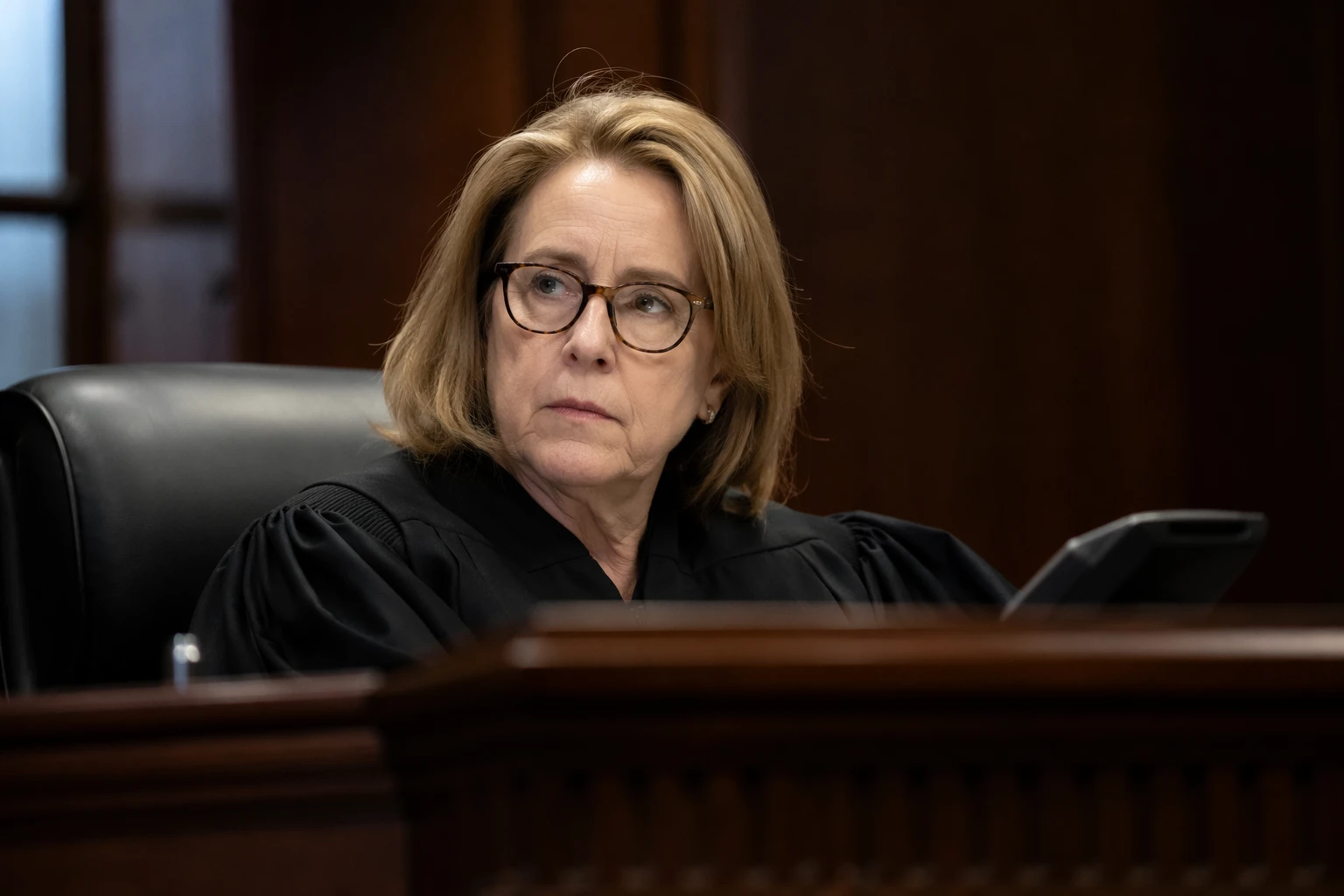
A federal judge in Boston on Monday blocked President Donald Trump’s $100,000 fee on new H-1B visa applications, saying the administration had crossed the line from regulation into taxation without congressional approval. Judge Leo Sorokin ruled the policy was an unlawful tax and a breach of the separation of powers, delivering an immediate setback to one of Trump’s signature immigration moves.
The case was brought by 20 Democratic state attorneys general, and Sorokin found the fee violated both the Administrative Procedure Act and the Constitution. He also relied in part on the Supreme Court’s February ruling on Trump’s reciprocal tariffs, treating the new H-1B charge as a tax Congress had not delegated to the executive branch.
The practical stakes are large. The H-1B program, created in 1990, is capped at 65,000 regular visas plus 20,000 for workers with U.S. advanced degrees each fiscal year, making it one of the few channels available to employers seeking specialty-occupation workers from abroad. Technology companies have long depended on the program, and states and public institutions said the fee would have made it harder to recruit doctors, professors and other specialists.
Trump signed the underlying proclamation on September 19, 2025, and U.S. Citizenship and Immigration Services said the $100,000 payment would apply only to new petitions submitted after 12:01 a.m. Eastern Daylight Time on September 21, 2025. The agency said the charge was a one-time fee that did not apply to renewals, previously issued visas or current H-1B holders traveling in and out of the United States.
The ruling undercuts the administration’s broader effort to reshape the program through executive action. USCIS said the proclamation was intended to curb abuses and protect American workers, and it signaled more changes were coming, including Labor Department rulemaking to revise prevailing wages and Homeland Security rulemaking to favor higher-paid workers in the visa lottery.
For employers, the decision removes a sudden and extraordinary cost from hiring. For high-skilled visa applicants, it restores some certainty to a system already tightly controlled by Congress. And for the administration, the ruling marks another judicial warning that sweeping immigration changes cannot simply be imposed by turning a policy priority into a fee. The government said it would appeal.
Sources
- [1]usnews.com
- [2]cnbc.com
- [3]uscis.gov
- [4]twincities.com
- [5]bloomberg.com