Technology
Bozeman Adopts AI Tools to Boost Traffic Safety
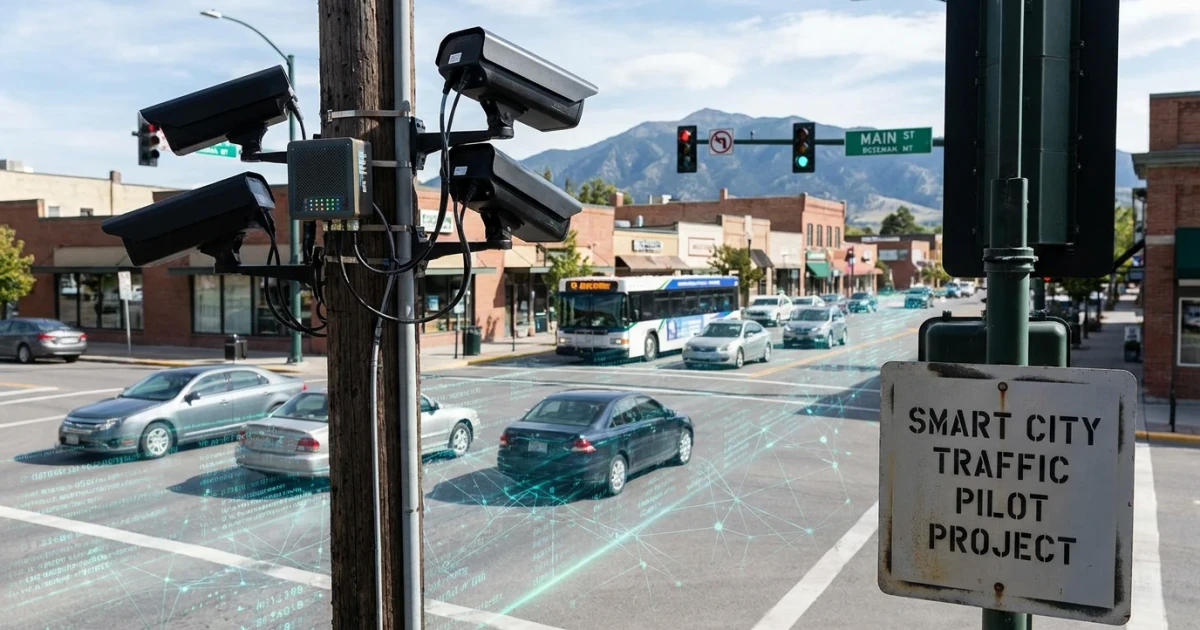
Bozeman is turning to artificial intelligence (AI) to address traffic safety challenges, embracing innovative technology solutions designed to reduce accidents, ease congestion, and provide safer streets for residents. The city’s adoption of AI reflects a broader movement across the country to integrate smart systems into transportation infrastructure.
AI Applications Aim to Curb Traffic Risks
According to KBZK News, Bozeman has begun deploying AI-powered systems that analyze traffic flow, detect patterns associated with risky driver behavior, and help city engineers prioritize safety improvements. These tools can process data from cameras, sensors, and other sources in real-time, alerting officials to developing hazards and offering insights for proactive intervention.
AI is increasingly being used to support intelligent transportation systems nationwide, with applications ranging from adaptive traffic signal control to predictive crash analytics. The Federal Highway Administration’s 2021 report outlines how cities are leveraging these technologies to improve roadway efficiency and safety, citing reductions in congestion and more targeted enforcement as key benefits.
Local Crash Data Highlights Need for Change
Bozeman’s interest in advanced traffic solutions comes as Montana crash data continues to show the impact of traffic incidents on public safety. In 2022, the Montana Department of Transportation recorded 1,077 serious injuries and 237 fatalities statewide, with a notable portion occurring in urban areas like Bozeman. National statistics from the NHTSA echo these concerns, as traffic deaths and injuries remain a persistent issue across the United States.
- In Bozeman, official city traffic records show a steady increase in vehicle volumes and reportable crashes over the past five years.
- Common contributing factors include distracted driving, speeding, and challenging weather conditions.
- Intersection-related crashes and pedestrian incidents are higher in certain high-traffic corridors.
How AI Enhances Traffic Management
The AI systems now being piloted in Bozeman are designed to learn from historical and real-time data. By detecting unusual traffic patterns, the technology can flag potential hazards, such as vehicles running red lights or near-miss pedestrian encounters. City engineers can use these insights to adjust signal timing, deploy enforcement resources, or modify roadway layouts.
Research compiled by the Federal Highway Administration suggests that AI-driven traffic monitoring can reduce crashes by as much as 20% in pilot corridors when paired with rapid response measures. The technology also supports more efficient use of public resources by directing attention to the locations and times of highest risk.
Community Engagement and Next Steps
Bozeman city officials emphasize that the AI rollout is part of a broader strategy that includes public education, infrastructure upgrades, and ongoing data analysis. Residents are encouraged to report safety concerns and participate in feedback sessions as the city fine-tunes its approach.
The Bozeman Traffic and Transportation Engineering department maintains updated records and project information, offering transparency and opportunities for community input.
Looking Ahead: Measuring Impact
While it is early in the implementation process, Bozeman’s investment in AI traffic technology positions it among a growing list of municipalities aiming to harness data-driven tools for safer streets. City leaders and transportation experts will closely monitor local crash statistics and public feedback to gauge effectiveness and guide future improvements.
As AI capabilities continue to evolve, the potential for smarter, more responsive traffic systems could offer lasting benefits for Bozeman residents and visitors alike, setting an example for other communities in Montana and beyond.