Sports
Brad Stevens says Celtics traded Jaylen Brown to stay competitive
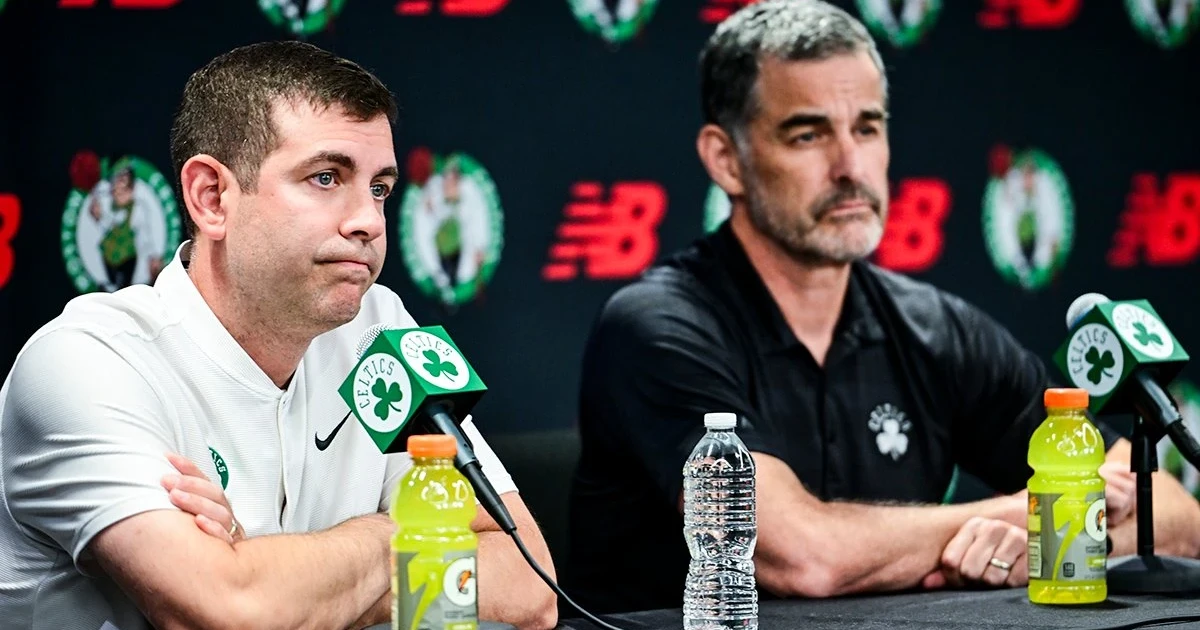
Boston finalized its trade of Jaylen Brown on Monday, July 6, 2026, after the NBA’s moratorium on deals was lifted, ending his 10-season run in green. Brad Stevens and owner Bill Chisholm met with the media in Boston and defended the move as a way to keep the Celtics competitive, add draft-pick optionality and navigate what Stevens called a “more challenging” path forward.
The deal sent Brown to the Philadelphia 76ers for Paul George, two first-round picks in 2028 and 2031, and two second-round picks in 2028 and 2030. It also closed the book on a player who had become the face of Boston’s wing core and had flourished as the No. 1 option in his final season while Jayson Tatum recovered from an Achilles injury. Philadelphia now pairs Brown with Joel Embiid and Tyrese Maxey, while Boston has turned a centerpiece into a package built around age, draft capital and roster flexibility.
Stevens’ explanation rests on the Celtics’ salary structure as much as their basketball chart. He said roughly 70% of the team’s cap was tied up in two players, a concentration that left the front office squeezed under the league’s new collective bargaining rules. The move, as framed by Stevens, was not just about talent evaluation but about financial flexibility in a harsher tax and cap environment. That matters because Boston had also explored a Brown-plus-two-unprotected-first-round-picks package for Giannis Antetokounmpo before that avenue collapsed, leaving the Celtics to pivot to Philadelphia’s offer.
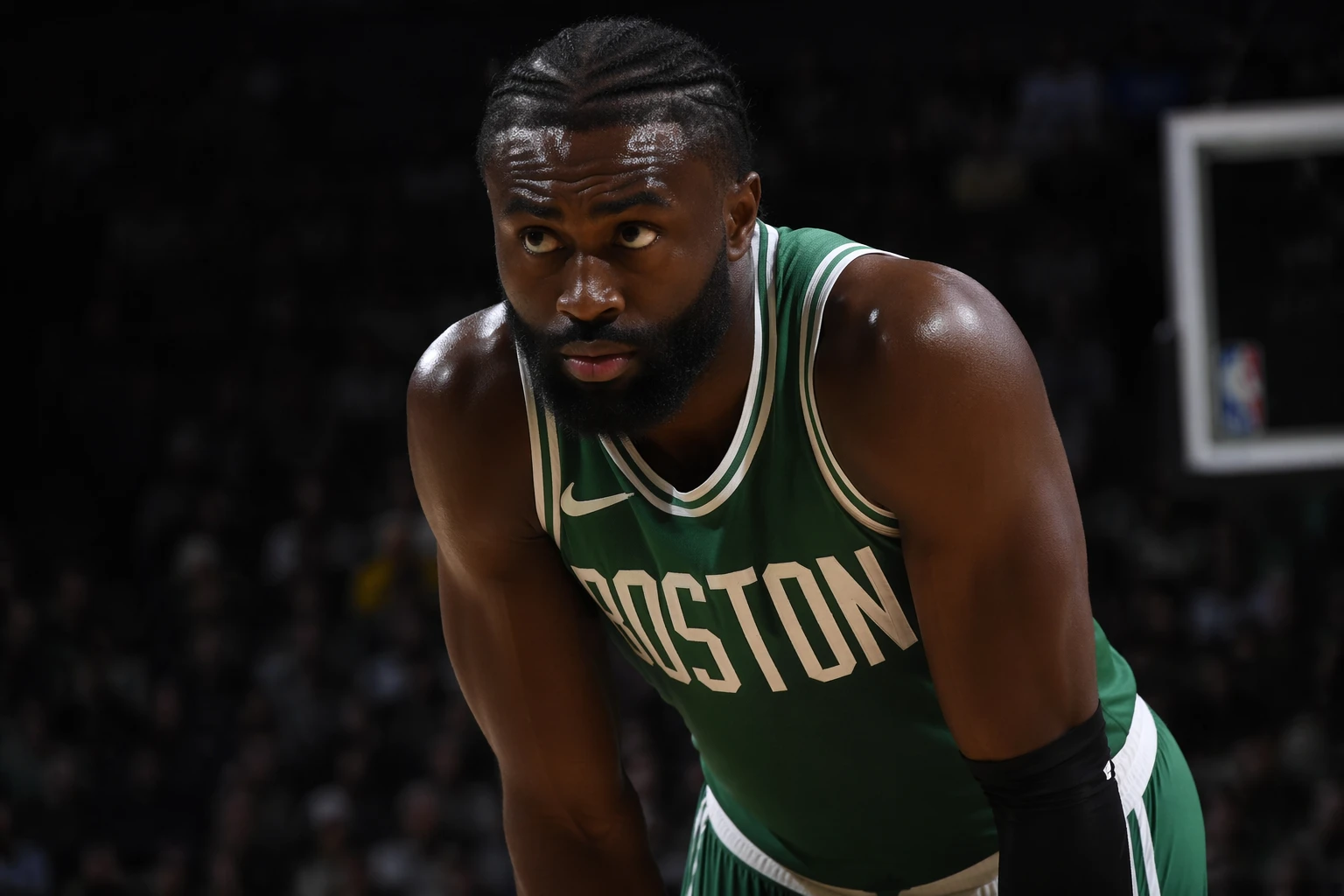
That context is why the reaction around the deal turned so quickly. Many fans were skeptical of exchanging Brown for George, an older veteran with a history of injuries, and Brown later called the trade disrespectful on a livestream. The backlash sharpened the question facing Stevens: was this an unavoidable response to a roster and cap crunch, or a strategic misread of Brown’s value at the exact moment his role and production had never looked more central?
For Boston, the answer will come from the roster that follows. If George can hold up and the four draft picks become real assets, the trade may look like adaptation. If not, the Celtics will have spent the end of Brown’s Boston run on optionality they may never fully cash in.
Sources
- [1]news.google.com
- [2]espn.com
- [3]nba.com
- [4]nytimes.com
- [5]sports.yahoo.com