Health
Brain Scans Uncover Three Distinct ADHD Subtypes
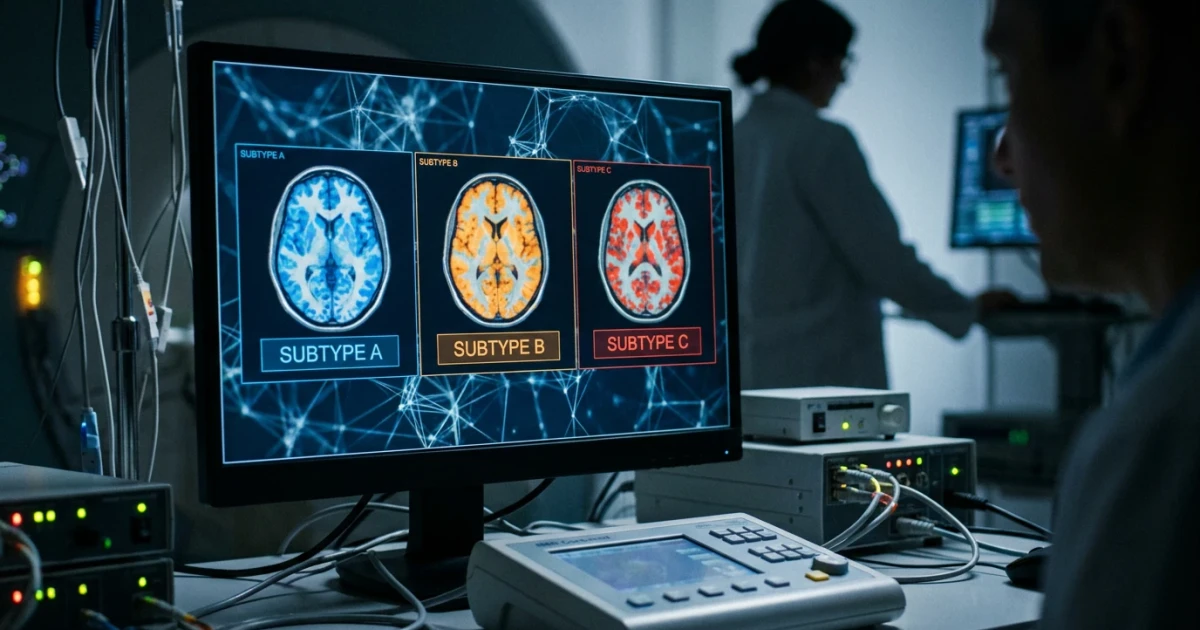
Recent brain scan research has identified three distinct subtypes of Attention-Deficit/Hyperactivity Disorder (ADHD), including a form characterized by more extreme symptoms, according to new findings reported by The Washington Post. This breakthrough could reshape how clinicians diagnose and treat ADHD, a neurodevelopmental condition affecting millions worldwide.
Neuroimaging Sheds Light on ADHD Subtypes
ADHD has long been recognized as a heterogeneous disorder, with children and adults presenting a wide range of symptoms such as inattention, hyperactivity, and impulsivity. Traditionally, clinicians have relied on behavioral criteria to categorize ADHD into inattentive, hyperactive-impulsive, or combined types. However, advances in neuroimaging research now offer a more nuanced view.
- Researchers used advanced brain scans to analyze neural activity and structure in individuals diagnosed with ADHD.
- They identified three biologically distinct subtypes, each with unique patterns of brain connectivity and function.
- One of these subtypes was described as a 'more extreme form,' marked by pronounced disruptions in brain networks linked to self-control and executive function.
Implications for Diagnosis and Treatment
The discovery of these brain-based subtypes could have significant implications for the future of ADHD care. It moves the field closer to precision medicine, where interventions are tailored to an individual's specific neurobiological profile rather than a broad behavioral category.
- Current diagnostic methods, as outlined by the CDC's ADHD Data & Statistics, are based on symptom checklists and clinical interviews. Incorporating neuroimaging data could improve diagnostic accuracy and reduce misdiagnosis.
- The National Institute of Mental Health is actively supporting research initiatives aimed at understanding ADHD's brain mechanisms to inform better treatments.
Researchers believe that recognizing a more severe, biologically defined subtype may help identify those at risk for greater functional impairment, guiding more intensive interventions.
What Makes the Extreme Subtype Different?
The study reported by The Washington Post highlights that the most extreme form of ADHD is characterized by:
- Greater disruptions in brain networks involved in attention and impulse control
- More severe behavioral symptoms and functional challenges
- Potential differences in response to standard treatments compared to other subtypes
These findings are supported by recent neuroimaging analyses that reveal distinct brain network patterns across ADHD subtypes, suggesting the disorder's complexity goes beyond traditional categories.
Expert Perspectives and Next Steps
While the identification of brain-based subtypes is promising, experts note that more research is needed before neuroimaging becomes a routine part of ADHD diagnosis. The ADHD Federation emphasizes that clinical and biological data must be integrated for a full understanding of each subtype's needs.
Future studies will likely examine how these subtypes respond to medications, behavioral therapies, and other interventions. As neuroimaging techniques become more accessible, they could help clinicians deliver more targeted—and potentially more effective—treatment plans for individuals with ADHD.
Looking Ahead
The identification of three distinct ADHD subtypes, including a more extreme form, marks a step forward in unraveling the biological complexity of this common neurodevelopmental disorder. As research continues to bridge the gap between brain science and clinical practice, patients and families may benefit from more personalized care and improved outcomes.