Sports
Brasil, Marruecos, Haití y Escocia forman un grupo histórico en 2026
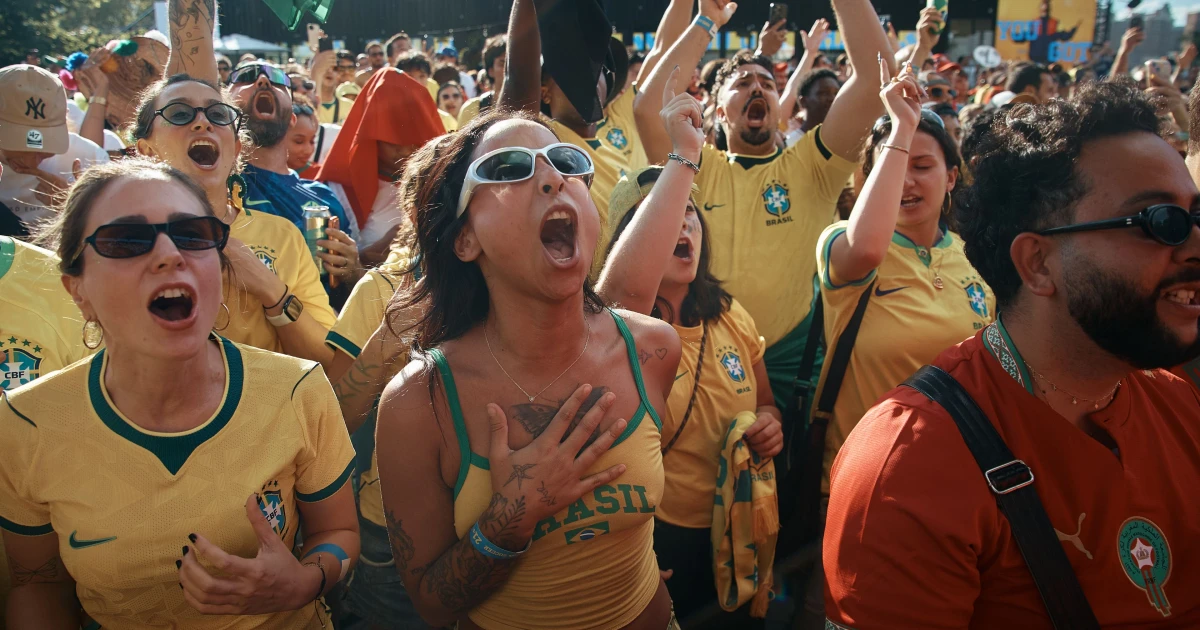
Brazilian fans turned Times Square into a wall of green and yellow before Brazil’s opening match against Morocco, a vivid reminder that this World Cup was being staged in the stands as much as on the field. The noise around Group C already carried the sound of travel, return, and national memory, from Moroccan drums to Haitian celebration and Scotland’s long-awaited comeback.
FIFA put Brazil, Morocco, Haiti and Scotland together in Group C of the 2026 tournament, the first World Cup to expand to 48 teams and the first to be shared by Canada, Mexico and the United States. FIFA also confirmed 1,248 players on the final rosters, a record number that underscores how much larger the tournament has become.
The emotional weight of the group is hard to miss. Haiti reached the World Cup for the first time since 1974, a 52-year absence that made its return one of the tournament’s most striking storylines. Scotland came back after 28 years away, its first appearance since 1998. That return became immediate drama in Foxborough, near Boston, where Scotland defeated Haiti 1-0 on June 14, with John McGinn scoring the decisive goal.
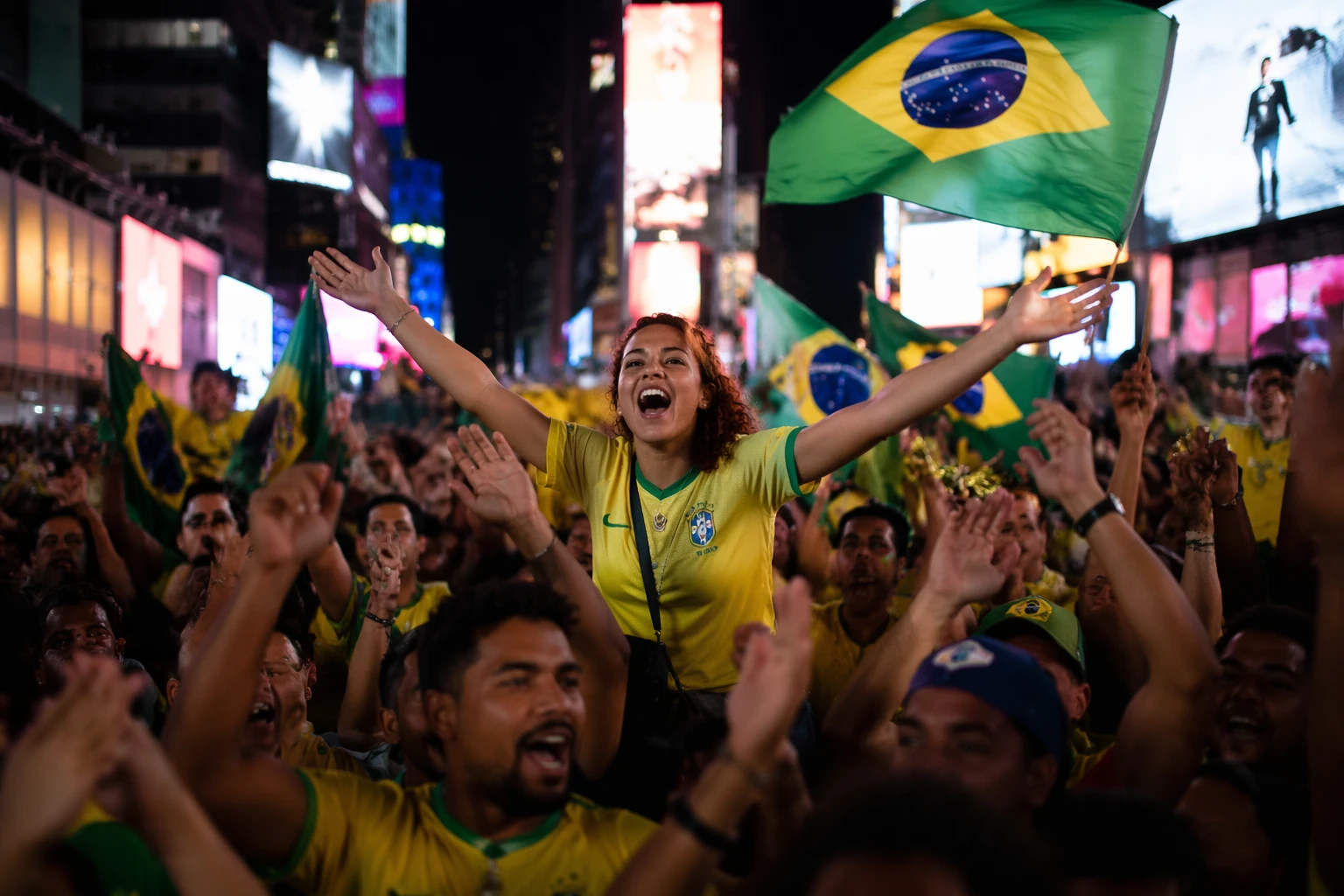
The schedule keeps the group moving through some of the country’s biggest soccer stages. Scotland played Morocco in Miami on June 19, then faced Brazil in Philadelphia on June 24. Those matches give traveling supporters a chance to remake each city in their own image, whether through Brazilian flags and chants, Haitian celebration, or the reputation Moroccan fans have built for bringing mass support, drums and constant noise.
Morocco enters the group with a stronger global profile than ever after reaching the semifinals in 2022, and its followers have again been discussed as a force that travels in numbers. At the same time, some Moroccan supporters have faced visa problems on the road to the tournament, a reminder that access to the event can shape the atmosphere around it before a ball is even kicked.
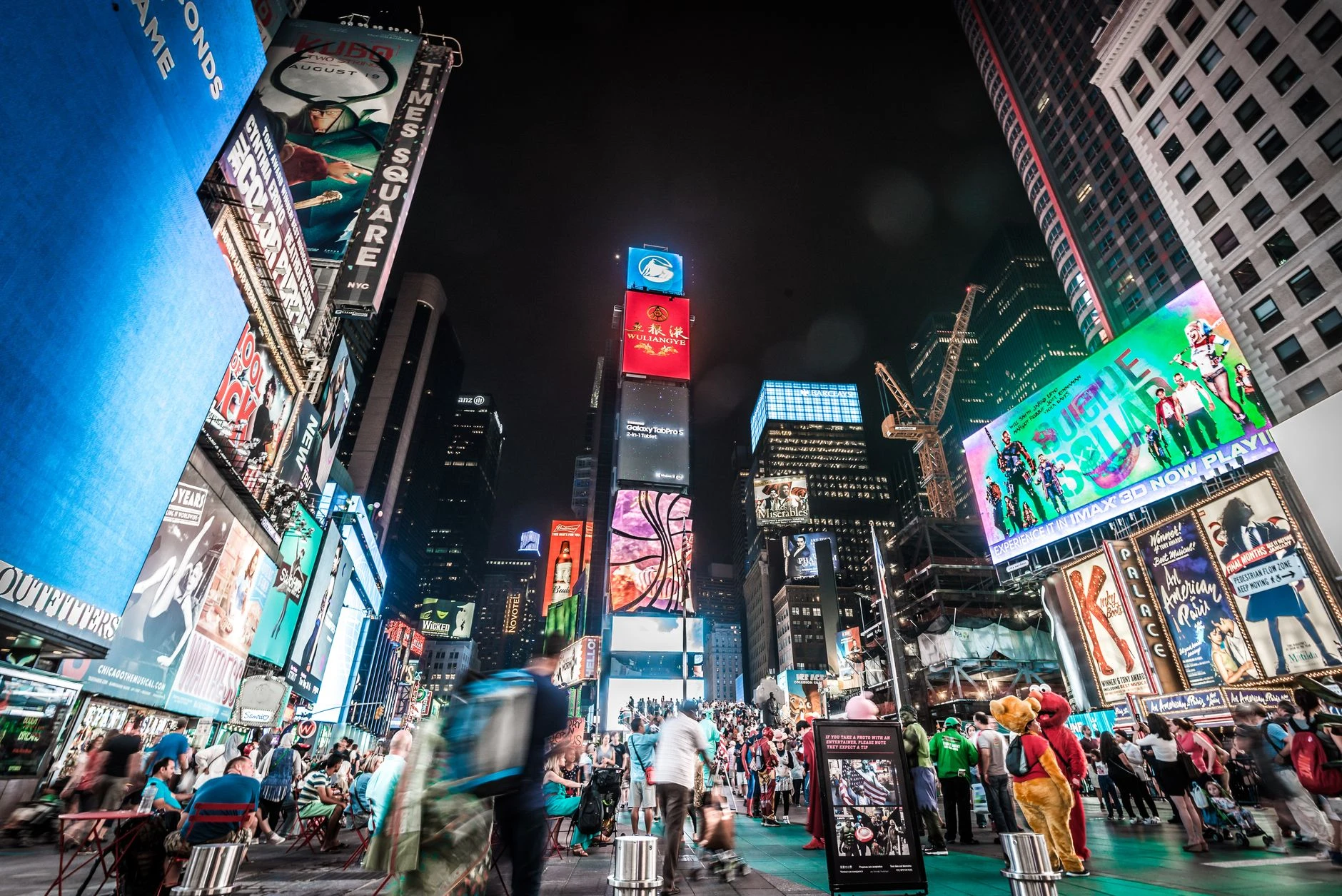
Group C has become a portrait of football’s diaspora economy: supporters moving across borders, filling public squares, and turning host cities into temporary national stages. In 2026, the competition is not only for points and advancement; it is also for presence, visibility and the right to make a crowd sound like home.
Sources
- [1]telemundo.com
- [2]fifa.com
- [3]apnews.com
- [4]standard.co.uk
- [5]aljazeera.com
- [6]tiktok.com
- [7]thecanary.co