Sports
Brazil and Morocco meet in World Cup Group C opener in New Jersey
Brazil’s meeting with Morocco in East Rutherford carried the feel of more than a Group C opener. It put a five-time World Cup champion against a team FIFA framed as one of Africa’s giants, and it did so in front of a crowd and television audience primed to read the game as a measure of where global soccer power stands now.
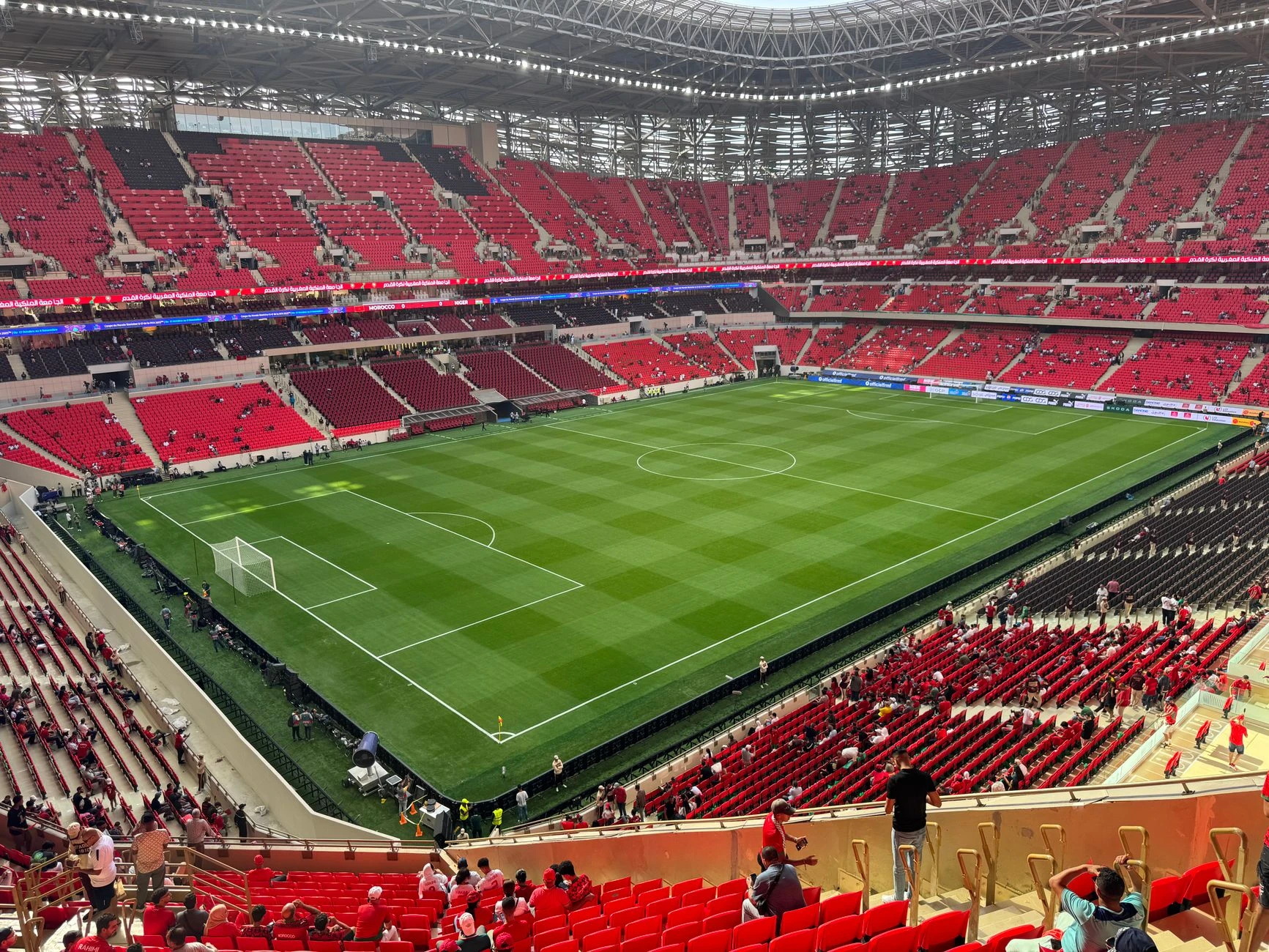
The match was played on 13 June 2026 at New York/New Jersey Stadium, also known as MetLife Stadium, with kickoff at 18:00 in New York and New Jersey, 19:00 in Brasilia and 23:00 in Rabat. Carlo Ancelotti was in charge of Brazil, giving the tournament a high-profile coaching subplot as the Selecao opened a group that also included Scotland and Haiti. FIFA’s early framing of the game made the stakes plain: this was one of the most tantalizing fixtures of the first stage, not simply because of Brazil’s size, but because Morocco arrived with the reputation of a side that could test the old hierarchy.
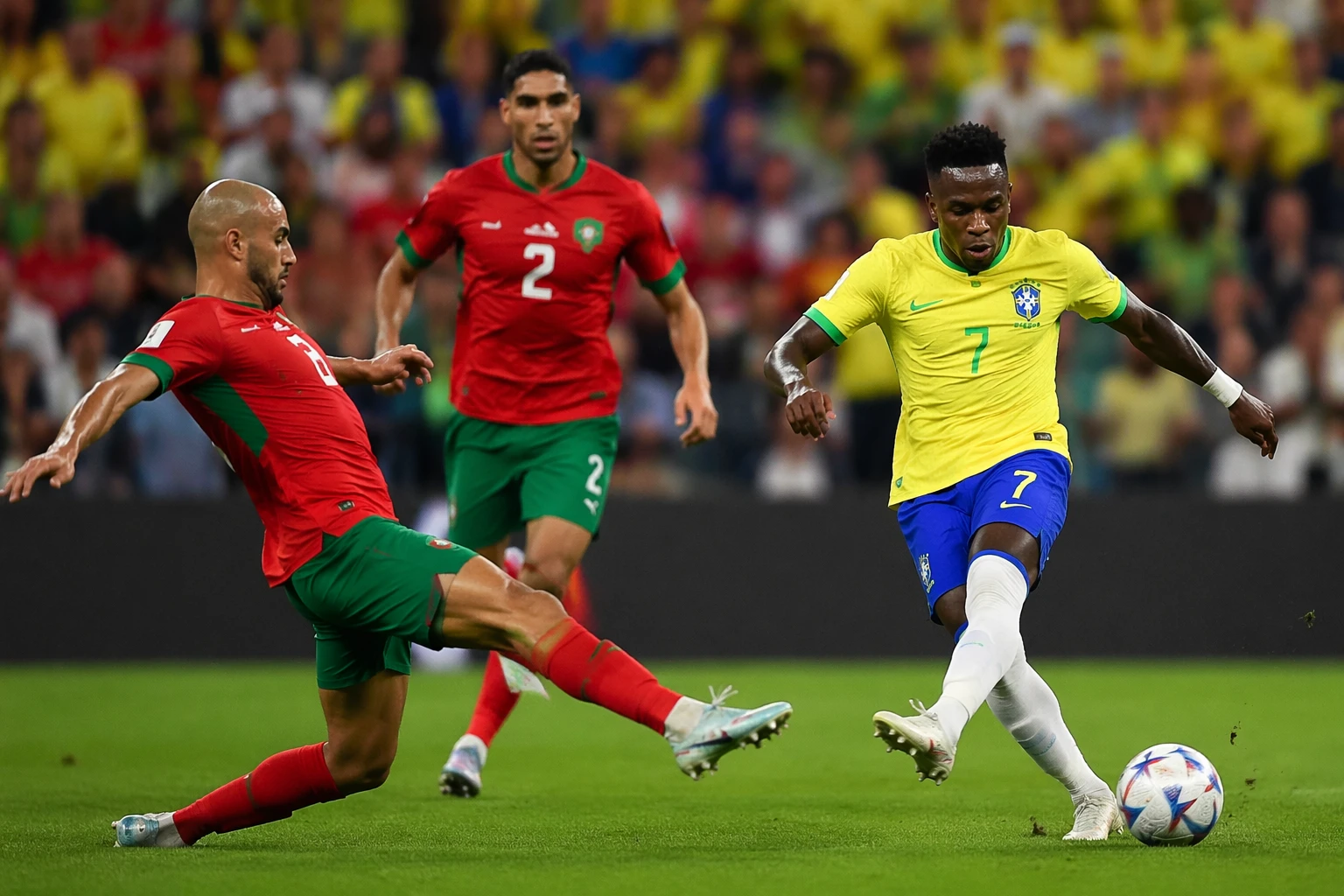
The history between the teams sharpened that point. Brazil and Morocco had met only three times before this World Cup, with Brazil winning 2-0 in a 1997 friendly, 3-0 at the 1998 World Cup and Morocco taking a 2-1 friendly in 2023. That made this the first World Cup meeting between the countries since France 1998, a long gap that underscored how rarely these sides have been placed on the same stage and how different their paths have become. For Brazil, the matchup carried the pressure of expectation that comes with five titles. For Morocco, it offered another chance to press a case that its rise is no longer a one-off story.
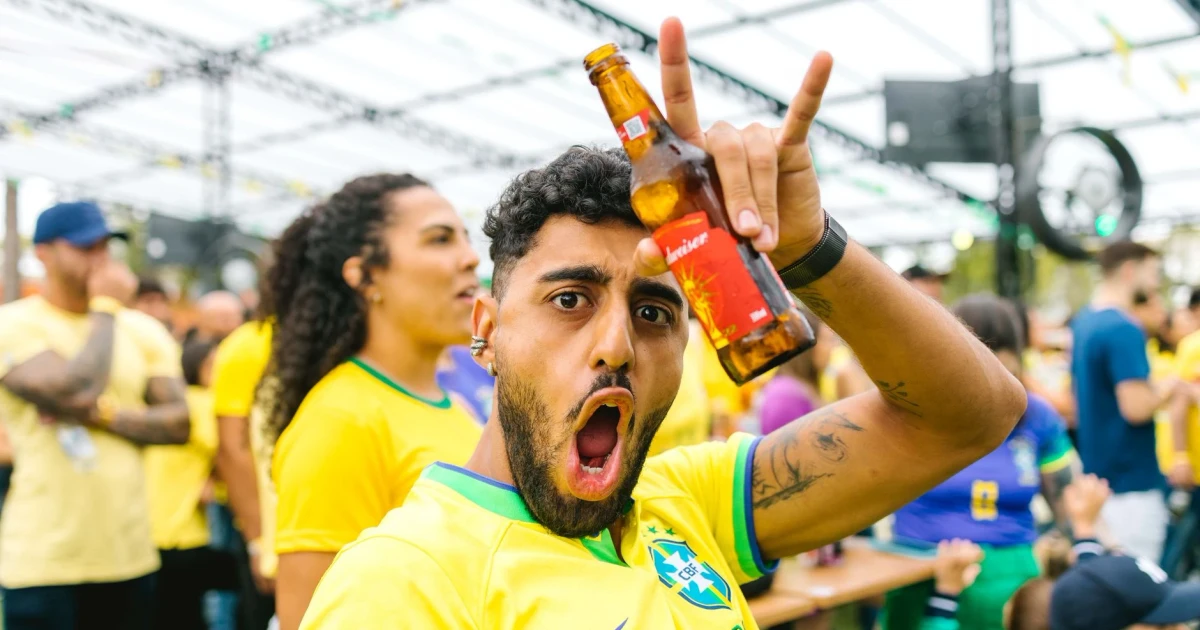
The game’s pull extended well beyond the stadium. NBC New York reported Brazilian fans across the New York City area were turning bars, restaurants and large watch parties into gathering points for the opener, a sign of how directly the World Cup’s biggest names still animate the American market when they come through the region. That local energy matched the broader tournament context: the sport’s established powers are no longer meeting only familiar opponents in the early rounds, and every such match becomes a test of whether the traditional order still holds.
On the field, Vinícius Júnior delivered Brazil’s equalizer, keeping the opener balanced and preserving the sense that this was a meeting between two sides with enough quality to shape the tournament conversation well beyond Group C.
Sources
- [1]news.google.com
- [2]fifa.com
- [3]espn.com
- [4]nbcnewyork.com
- [5]sportsmole.co.uk
- [6]nytimes.com