Business
Brazil central bank expected to cut Selic rate to 14.25 percent
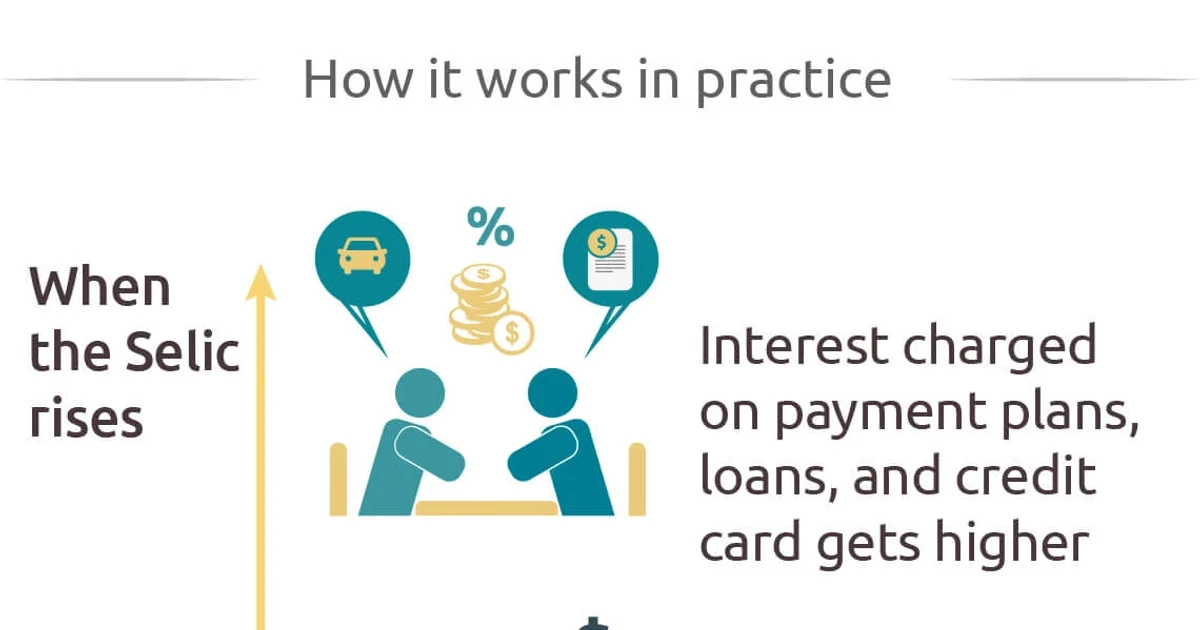
Brazil’s central bank was expected to trim the Selic rate by another 25 basis points, to 14.25 percent, in a move that would extend a cautious easing cycle without signaling victory over inflation. The cut would be the third straight quarter-point reduction after borrowing costs were held at 15 percent through the second half of 2025, leaving policymakers with a narrower path between supporting activity and protecting credibility.
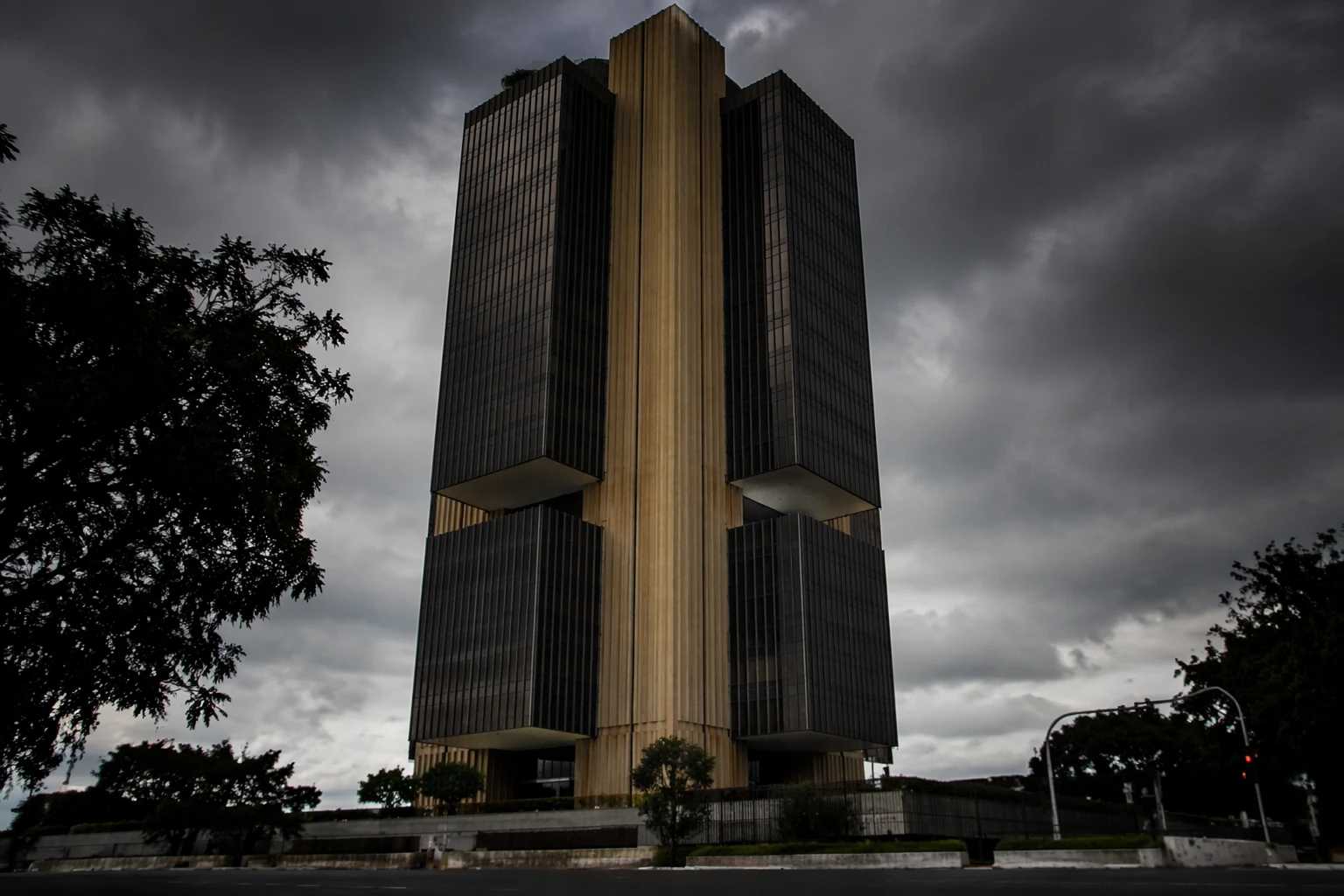
The practical question for markets is whether lower rates are starting to revive the real economy or simply tracking a slowdown. The Selic is the Banco Central do Brasil’s main policy tool, and it feeds directly into loans, financing and investment decisions. A drop to 14.25 percent would ease financial conditions at the margin, but it would still leave policy restrictive by historical standards, especially with price pressures still above target and credit conditions described by the central bank as tight.
The inflation backdrop remains uncomfortable. The Instituto Brasileiro de Geografia e Estatística said consumer prices, measured by the IPCA index, rose 0.58 percent in May from the previous month and 4.72 percent over 12 months, up from 4.39 percent in April. Food prices accounted for about half of May’s increase, underscoring how weather-sensitive costs can complicate the outlook just as policymakers try to slow inflation gently. Brazil’s official target is 3 percent, with a tolerance band of 1.5 percentage points in either direction, under the continuous inflation-targeting system adopted in January 2025. Inflation is deemed missed if it stays outside that band for six consecutive months.
That is why the committee is likely to keep its language guarded even as it eases. In its April 28-29 minutes, the Comitê de Política Monetária said inflation expectations for 2026 and 2027 stood at 4.9 percent and 4.0 percent, respectively, both above target. The same minutes said growth was moderating, the labor market remained resilient and credit growth had slowed under tight policy, while also flagging elevated inflation risks and continued monitoring of domestic fiscal policy. Weather threats, including El Niño, add another layer of uncertainty by affecting food and commodity prices. In a Reuters poll published June 16, 41 of 45 economists expected the 25-basis-point cut, while a Bloomberg survey found 30 economists expecting the same move and three seeing no change.
The next test is whether the easing cycle can continue without unsettling investors. Nearly two-thirds of poll respondents expected another quarter-point cut in August, and median forecasts put the Selic at 13.75 percent at the end of 2026 and 12 percent in 2027. If inflation keeps edging back toward target, gradual cuts could support growth without damaging Brazil’s anti-inflation credibility. If price pressures stay sticky, the point will come when more easing stops helping the economy and starts raising doubts about how far the central bank can go.
Sources
- [1]money.usnews.com
- [2]bcb.gov.br
- [3]ibge.gov.br
- [4]agenciabrasil.ebc.com.br
- [5]bloomberg.com