Politics
Brazil denies visas to U.S. officials before election
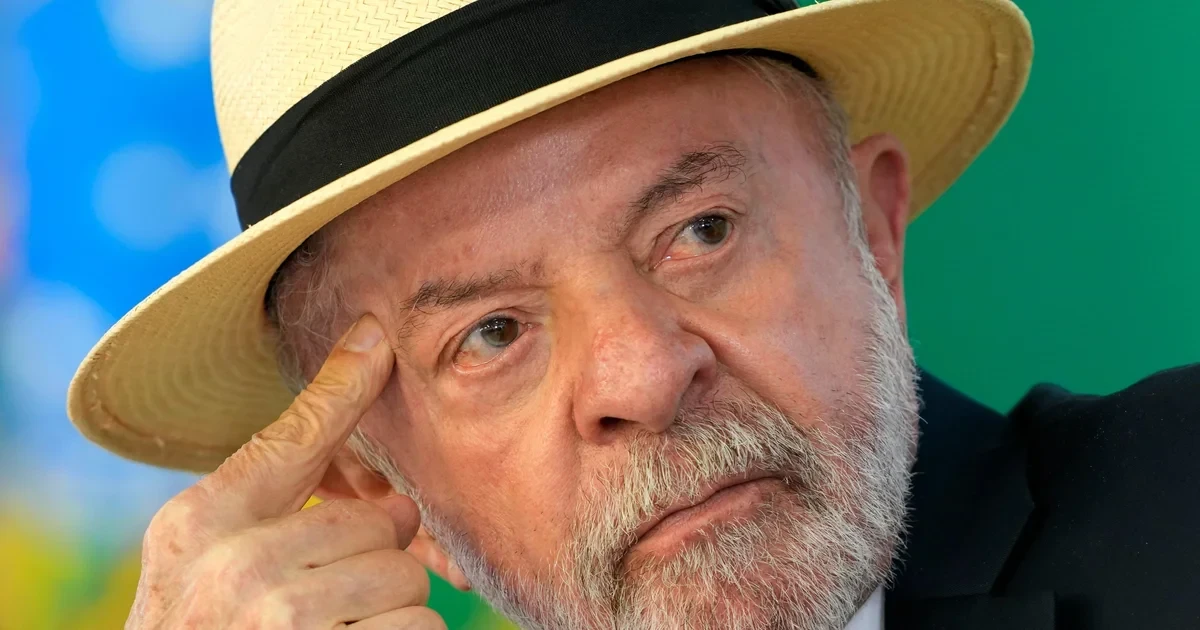
Brazil denied visas to two U.S. State Department officials as it moved to shut down a planned American mission days before its presidential election. The refusal is more than a routine diplomatic snub: it is Brasília drawing a hard line around who gets to scrutinize, question, or influence the country’s vote.
The Brazilian Foreign Ministry said the officials sought to travel to the South American country next week, but the government rejected the request. Reuters identified the pair as Assistant Secretary Riley M. Barnes and Deputy Assistant Secretary Samuel Samson. Brazilian officials said the denial reflected a possible risk of political exploitation, a phrase that places the dispute squarely in the language of election sovereignty rather than bilateral protocol.
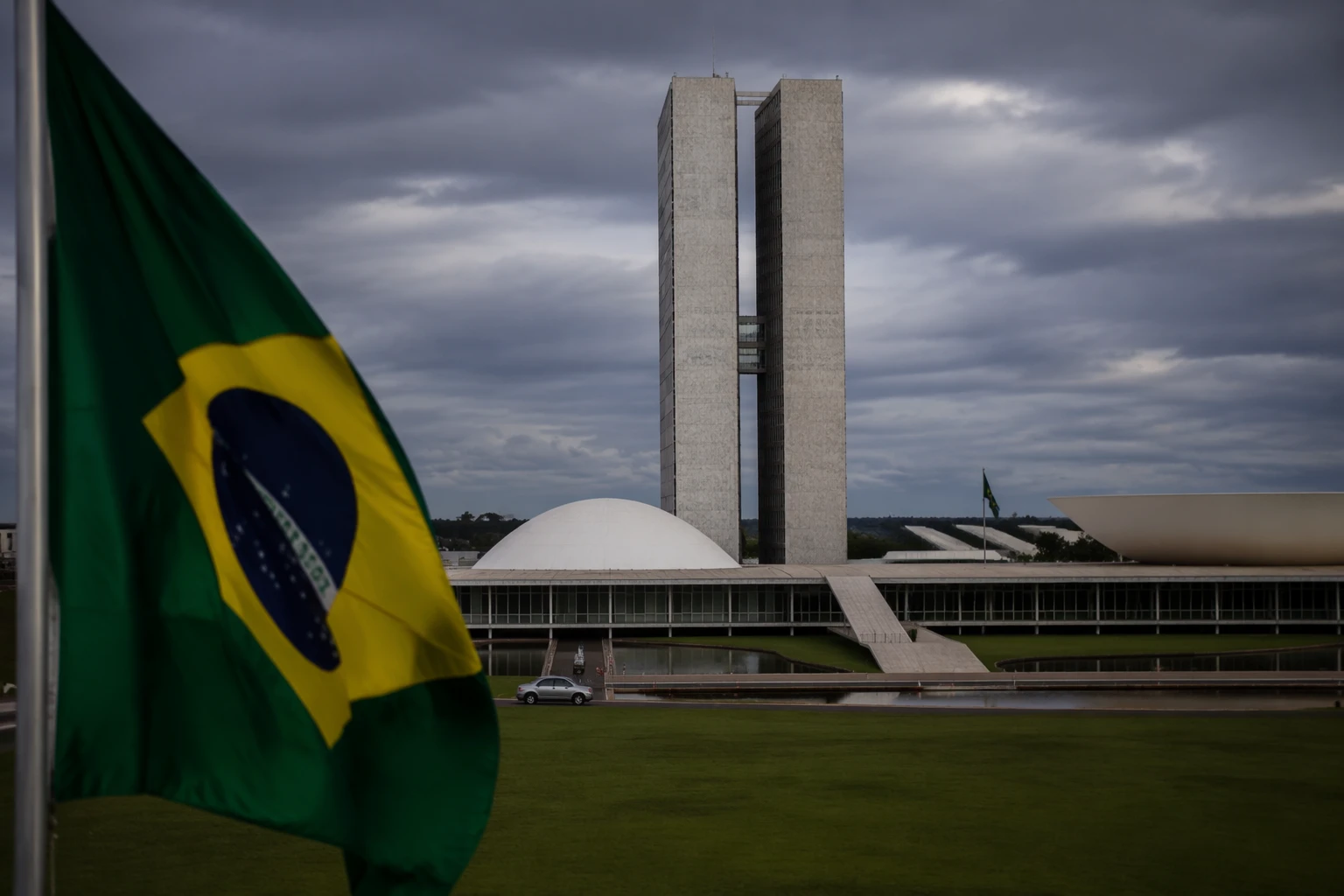
The timing sharpened the confrontation. The Washington Post reported on July 24 that the Trump administration was planning to dispatch two senior officials to Brazil on a mission to cast doubt on the fairness and integrity of the country’s electoral system before millions of Brazilians voted in a presidential election on Oct. 4. Reuters said the delegation would have sought to raise doubts about Brazil’s electoral system, making the visa fight a direct contest over who gets to define whether the vote is credible.
That matters in a country where election legitimacy already carries heavy political weight. Reuters-distributed reporting said leftist incumbent Luiz Inacio Lula da Silva will face Senator Flavio Bolsonaro, an ally of Donald Trump, in the October race. In that setting, the visa denials signal not just irritation with Washington but a broader resistance to foreign involvement in a domestic political process. Brazil is signaling that election monitoring, criticism, and commentary from the United States will not be welcomed if Brasília views them as partisan interference.
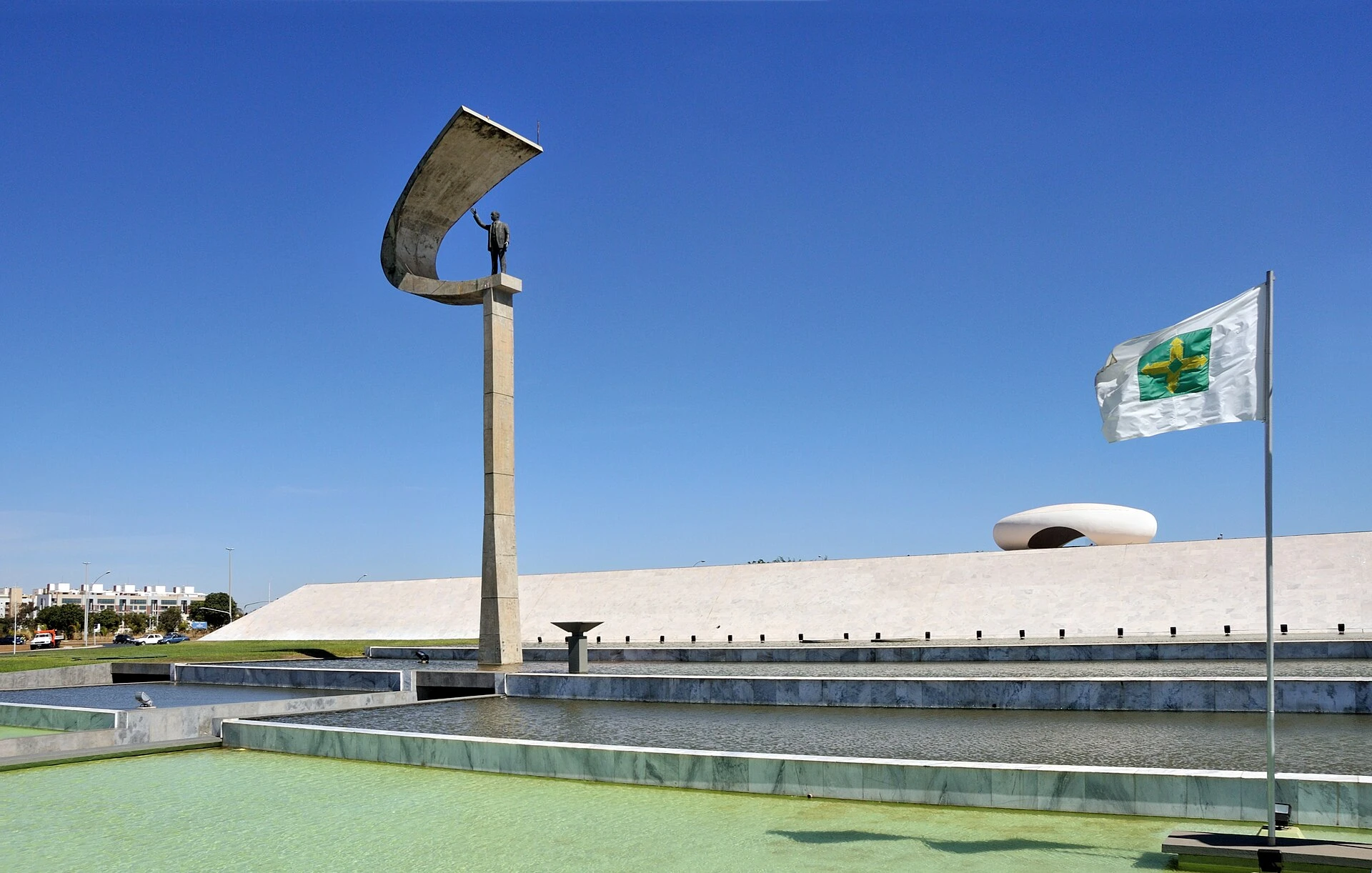
The standoff also lands in a long-running strategic relationship between the two countries. The United States has long treated Brazil as a focal point of policy in Latin America, but the refusal to admit Barnes and Samson suggests the limits of that influence when election politics turn sensitive. As Brazil moves toward its Oct. 4 vote, the dispute has become a test case for how far foreign governments can go before election oversight is redefined as intrusion.
Sources
- [1]apnews.com
- [2]cbsnews.com
- [3]reuters.com
- [4]washingtonpost.com
- [5]straitstimes.com
- [6]news.abs-cbn.com
- [7]nytimes.com